


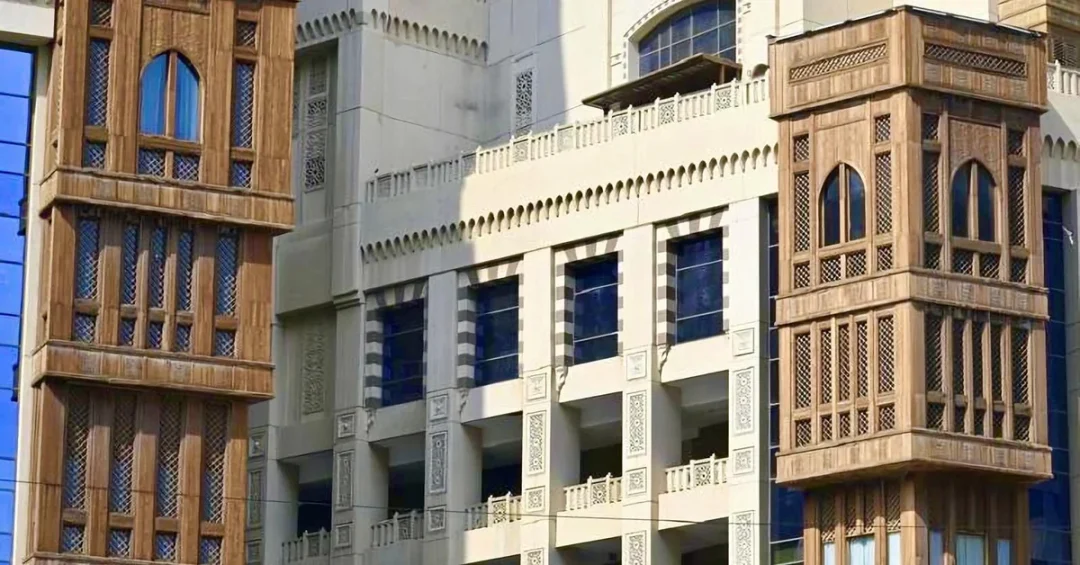
Makkah’s traditional architecture, particularly the iconic Rawashin wooden balconies, is inspiring modern urban design guidelines that harmonize the city’s rich heritage with sustainable development, according to the Royal Commission for Makkah City and Holy Sites. These guidelines, released via official Saudi channels, aim to enhance the cityscape while preserving its unique identity, reflecting a broader effort to integrate cultural authenticity into Saudi Arabia’s rapid modernization under Vision 2030.
Context and Background
Makkah’s architectural heritage is deeply rooted in its religious significance and environmental adaptation. Over centuries, the city’s style evolved to address its geographical, climatic, and social context, producing structures that are both functional and beautiful. The traditional Makkah house is characterized by features such as Rawashin—projecting wooden windows and balconies that regulate light and air, reduce solar glare, ensure privacy, and add aesthetic charm. These elements, with their varied sizes, shapes, and intricate decorations, showcase the skill of local craftsmen in merging practicality with artistry.
This architectural legacy is not merely historical; it informs contemporary urban planning. The Royal Commission for Makkah City and Holy Sites has developed urban guidelines that draw on this heritage to shape a modern cityscape that respects the past while embracing the future.
Key Details
The Royal Commission’s guidelines incorporate traditional elements such as Rawashin, arched windows, recessed entrances, lattice patterns, and earth-tone colors. These features are reinterpreted to meet modern needs, balancing aesthetic, functional, and sustainability considerations. For instance, Rawashin not only provide natural ventilation and shading but also contribute to energy efficiency and cultural continuity. The guidelines aim to create a cohesive urban identity that enhances quality of life for residents and visitors alike.
By integrating these traditional motifs, the Commission ensures that new developments in Makkah reflect the city’s spirit and religious stature. This approach aligns with the goals of Saudi Vision 2030, which prioritizes preserving cultural heritage while fostering sustainable urban growth.
Implications and Impact
The adoption of these guidelines has significant implications for urban development in Makkah and beyond. It sets a precedent for other Saudi cities to follow, demonstrating how traditional architecture can inspire modern design that is both environmentally responsible and culturally resonant. For international audiences, this initiative showcases Saudi Arabia’s commitment to preserving its heritage amid rapid transformation, offering a model for balancing tradition and innovation.
Moreover, the guidelines contribute to the broader objectives of Vision 2030 by enhancing the urban environment, promoting sustainable practices, and reinforcing Makkah’s role as a global spiritual destination. As the city continues to evolve, these measures ensure that its architectural identity remains a source of pride and inspiration.
Vision 2030 Alignment
This development exemplifies the Vision 2030 ambition to create vibrant, sustainable cities that honor Saudi Arabia’s cultural legacy. By integrating traditional elements into modern urban planning, Makkah is not only preserving its unique character but also setting a benchmark for future cities in the Kingdom and around the world. The Royal Commission’s efforts reflect a forward-looking approach that respects the past while building a prosperous and harmonious future.
20 Questions
Q1. What are Rawashin in Makkah’s traditional architecture?
A1. Rawashin are projecting wooden windows and balconies that regulate light and air, reduce solar glare, ensure privacy, and add aesthetic character to facades. They are a hallmark of traditional Makkah houses.
Q2. Who developed the urban guidelines for Makkah?
A2. The Royal Commission for Makkah City and Holy Sites developed the urban guidelines to enhance the cityscape by drawing on Makkah’s architectural heritage.
Q3. What traditional elements inspire the new urban guidelines?
A3. The guidelines are inspired by traditional elements including Rawashin, arched windows, recessed entrances, lattice patterns, and earth-tone colors.
Q4. How do Rawashin contribute to sustainability?
A4. Rawashin provide natural ventilation and shading, which reduces energy consumption for cooling and enhances environmental sustainability in buildings.
Q5. Why is Makkah’s architecture considered a balance between tradition and modernity?
A5. It reinterprets accumulated local knowledge and artistic values to meet modern needs, preserving identity while keeping pace with development.
Q6. What is the significance of Makkah’s architectural heritage?
A6. It reflects the city’s religious stature and its adaptation to geographical, climatic, and social environments, producing a distinct style that combines functionality and beauty.
Q7. How do the guidelines align with Saudi Vision 2030?
A7. They support Vision 2030 by promoting sustainable urban growth, preserving cultural heritage, and enhancing quality of life in Saudi cities.
Q8. What role does the Royal Commission play in Makkah’s development?
A8. The Royal Commission oversees urban planning and development, ensuring that projects respect Makkah’s heritage while meeting modern requirements.
Q9. How do the guidelines impact the daily lives of Makkah’s residents?
A9. They improve the urban environment, provide aesthetically pleasing surroundings, and promote sustainable practices, enhancing overall quality of life.
Q10. What makes Makkah’s traditional houses unique?
A10. Their integration of functional elements like Rawashin with artistic decorations creates a distinctive style that addresses climate and privacy needs.
Q11. How are traditional motifs being reinterpreted in modern designs?
A11. Modern designs incorporate traditional motifs such as lattice patterns and arched windows in contemporary forms, blending heritage with innovation.
Q12. What benefits do earth-tone colors bring to Makkah’s cityscape?
A12. Earth-tone colors reflect the natural environment, reduce heat absorption, and create a harmonious visual identity that respects local aesthetics.
Q13. How does this initiative affect tourism in Makkah?
A13. It enhances the city’s appeal by preserving its unique character, offering visitors an authentic experience that combines spiritual significance with architectural beauty.
Q14. What international recognition could Makkah gain from this approach?
A14. Makkah could be recognized as a model for heritage-sensitive urban development, inspiring other cities to balance tradition and modernity.
Q15. How do the guidelines address climate challenges?
A15. By incorporating passive cooling techniques like Rawashin and shaded walkways, the guidelines reduce heat impact and promote energy efficiency.
Q16. What is the expected timeline for implementing these guidelines?
A16. The Royal Commission is integrating the guidelines into ongoing and future projects, with gradual implementation as part of Makkah’s urban development strategy.
Q17. How can other Saudi cities adopt similar approaches?
A17. Other cities can study Makkah’s guidelines and adapt them to their local heritage, fostering a unified yet diverse architectural identity across the Kingdom.
Q18. What economic opportunities arise from heritage-based urban development?
A18. It can boost tourism, create jobs in construction and crafts, and attract investments in sustainable urban projects, contributing to economic diversification.
Q19. How does this initiative preserve cultural identity for future generations?
A19. By embedding traditional elements in modern infrastructure, it ensures that cultural heritage remains visible and relevant, fostering pride and continuity.
Q20. What message does this send about Saudi Arabia’s commitment to heritage?
A20. It demonstrates Saudi Arabia’s dedication to preserving its cultural legacy while advancing modernization, in line with Vision 2030’s balanced approach.
Reader Feedback
We value your thoughts. Please share your feedback on this article.
Your feedback helps us improve our coverage.