


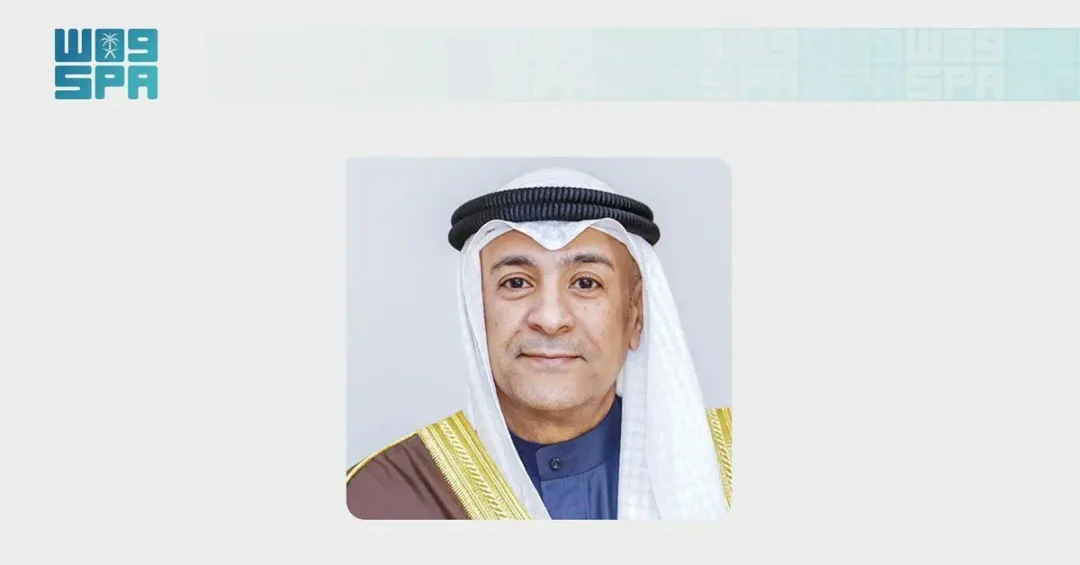
Manama, October 7, 2026 — The Secretary-General of the Gulf Cooperation Council (GCC), Jasem Albudaiwi, affirmed that the 15th Consultative Meeting between the Ministers of Commerce and Heads of the Federations of GCC Chambers serves as a strategic dialogue platform uniting policymakers with private sector representatives. The meeting, held Wednesday in the Bahraini capital, Manama, was chaired by Bahraini Minister of Industry and Commerce Abdulla bin Adel Fakhro, who leads the current session. Commerce ministers and chamber heads from all GCC member states attended the gathering, which aims to strengthen cooperation, stimulate economic growth, and address regional and global economic challenges facing the Gulf private sector.
Context and Background
The 15th Consultative Meeting represents the highest level of engagement between government officials and the private sector in the Gulf region. According to the Saudi Press Agency (SPA), Secretary-General Albudaiwi described the meeting as a pivotal platform for deepening collaboration and tackling the economic obstacles that Gulf businesses face. The session convenes under the wise directives of the leaders of the GCC states, who remain committed to supporting the private sector and empowering it to play a central role in achieving economic integration among member states.
This consultative framework has evolved into a vital mechanism for aligning public policies with private sector needs. It reflects the GCC’s broader strategy to foster a diversified and resilient economy, particularly as global economic dynamics shift and regional challenges emerge. The participation of commerce ministers and chamber federation heads underscores the importance of coordinated action in driving sustainable development across the Gulf.
Key Details
During his address, Albudaiwi emphasized the private sector’s vital role in realizing the national objectives of GCC member states and advancing Gulf cooperation. He noted that the consultative meeting is designed to shed light on the challenges facing the Gulf private sector and to overcome them through appropriate solutions. “This meeting constitutes the highest level of engagement between government officials and the private sector,” Albudaiwi said, according to SPA. He expressed his aspiration that the 15th Consultative Meeting will focus efforts on the agenda items to generate initiatives that support private sector growth across GCC member states.
The meeting’s agenda included discussions on enhancing economic stability, fostering investment, and bolstering the GCC’s global standing as a leading financial, investment, and economic hub. Albudaiwi concluded by highlighting the private sector’s potential to serve as a powerful economic engine contributing to development and stability throughout the region. The Bahraini Minister of Industry and Commerce, Abdulla bin Adel Fakhro, chaired the session, ensuring that the deliberations remained focused on actionable outcomes.
Implications and Impact
The outcomes of this consultative meeting are expected to have far-reaching implications for the Gulf region’s economic landscape. By bringing together policymakers and business leaders, the GCC aims to create a more conducive environment for private sector growth, which is essential for job creation, innovation, and sustainable development. The meeting also reinforces the GCC’s collective response to global economic challenges, such as fluctuating oil prices, supply chain disruptions, and shifting trade patterns.
For Saudi Arabia, the discussions align with the Kingdom’s Vision 2030 objectives, which seek to diversify the economy, increase private sector contribution, and enhance the business environment. The GCC-wide cooperation fostered through such meetings supports Saudi Arabia’s efforts to attract foreign investment and expand non-oil exports. Furthermore, the consultative platform enables the sharing of best practices and the harmonization of regulations, which can reduce barriers to cross-border trade and investment among member states.
On the international stage, a unified and dynamic Gulf private sector enhances the region’s competitiveness and attractiveness as a destination for global businesses. The GCC’s emphasis on public-private dialogue signals to international investors that the region is committed to economic reform and open markets. This, in turn, can lead to increased foreign direct investment, technology transfer, and deeper integration into global value chains.
Vision 2030 Alignment
The 15th Consultative Meeting underscores the GCC’s shared vision for a prosperous and integrated economic future, mirroring Saudi Arabia’s Vision 2030 goals. By empowering the private sector and fostering collaboration between governments and businesses, the meeting supports the Kingdom’s ambitions to build a thriving, diversified economy. As Saudi Arabia continues to lead regional initiatives, such platforms reinforce its role as a catalyst for Gulf economic integration and a global investment powerhouse. The outcomes of this meeting will contribute to the long-term stability and growth of the Gulf region, advancing the collective aspirations of its people.
20 Questions
Q1. What was the main purpose of the 15th Consultative Meeting in Manama?
A1. The meeting aimed to strengthen cooperation between GCC governments and the private sector, stimulate economic growth, and address regional and global economic challenges facing Gulf businesses. It served as a strategic dialogue platform to align policies and generate initiatives supporting private sector development.
Q2. Who chaired the 15th Consultative Meeting?
A2. Bahraini Minister of Industry and Commerce Abdulla bin Adel Fakhro chaired the meeting, as Bahrain holds the current session’s chairmanship. His leadership ensured that discussions remained focused on actionable outcomes and the priorities of the GCC private sector.
Q3. What did GCC Secretary-General Jasem Albudaiwi emphasize in his address?
A3. Albudaiwi emphasized the private sector’s vital role in achieving national objectives and advancing Gulf cooperation. He highlighted the meeting as the highest level of government-private sector engagement, aimed at overcoming challenges and stimulating growth across member states.
Q4. How does the meeting reflect the directives of GCC leaders?
A4. The meeting operates under the wise directives of GCC leaders, who are committed to supporting the private sector and empowering it to drive economic integration. Their guidance ensures that such consultative platforms continue to foster collaboration and address regional economic priorities effectively.
Q5. What are the expected outcomes of the 15th Consultative Meeting?
A5. The meeting is expected to generate initiatives that support private sector growth, enhance economic stability, and bolster the GCC’s standing as a leading financial and investment hub. These outcomes will contribute to long-term development and integration across member states.
Q6. Why is public-private dialogue important for the GCC economy?
A6. Public-private dialogue ensures that policies are aligned with business needs, fostering a conducive environment for growth. It enables the private sector to contribute effectively to economic diversification, job creation, and innovation, which are essential for sustainable development in the Gulf region.
Q7. How does this meeting support Saudi Arabia’s Vision 2030?
A7. The meeting aligns with Vision 2030 by promoting private sector empowerment, economic diversification, and regional integration. It supports Saudi Arabia’s goals to increase non-oil GDP, attract investment, and enhance the business environment, reinforcing the Kingdom’s leadership in Gulf economic cooperation.
Q8. What role do GCC chambers of commerce play in this meeting?
A8. Heads of GCC chambers of commerce represent the private sector’s interests, bringing valuable insights and concerns to the discussion. Their participation ensures that government policies address real-world business challenges and that the private sector’s voice is heard in policymaking.
Q9. What global economic challenges were discussed?
A9. The meeting addressed challenges such as fluctuating oil prices, supply chain disruptions, and shifting global trade patterns. These issues impact the Gulf private sector’s competitiveness and require coordinated responses to mitigate risks and seize emerging opportunities in the global economy.
Q10. How does the GCC aim to enhance economic integration among member states?
A10. The GCC enhances integration by harmonizing regulations, reducing trade barriers, and facilitating cross-border investment. Consultative meetings like this one help align strategies and create a unified economic space that benefits businesses and citizens across all member states.
Q11. What is the significance of the meeting being held in Manama?
A11. Manama, as the capital of Bahrain, hosting the meeting underscores Bahrain’s role in fostering Gulf cooperation. It provides a neutral and central venue for high-level discussions, reflecting the GCC’s commitment to rotating leadership and inclusive dialogue among member states.
Q12. How can the private sector contribute to economic stability in the Gulf?
A12. The private sector drives innovation, creates jobs, and diversifies revenue streams, reducing dependence on oil. By investing in key sectors and adopting best practices, it can enhance economic resilience and contribute to the overall stability and prosperity of the Gulf region.
Q13. What initiatives might emerge from this consultative meeting?
A13. Potential initiatives include streamlined regulations for cross-border trade, incentives for small and medium enterprises, and joint investment projects. These would aim to boost private sector growth, enhance competitiveness, and accelerate economic integration across GCC member states.
Q14. How does the GCC support small and medium enterprises through such meetings?
A14. The GCC supports SMEs by creating platforms for dialogue that lead to policies like easier access to financing, reduced bureaucratic hurdles, and capacity-building programs. These measures help SMEs thrive, contributing to job creation and economic diversification in the region.
Q15. What is the GCC’s vision for its global economic standing?
A15. The GCC envisions itself as a leading global financial, investment, and economic hub. Through collaboration and reform, it aims to attract international businesses, foster innovation, and play a pivotal role in global trade and investment networks, enhancing its competitiveness worldwide.
Q16. How does the private sector benefit from government engagement?
A16. Government engagement provides the private sector with clearer policies, reduced regulatory uncertainty, and better access to opportunities. It also ensures that business concerns are addressed promptly, creating a more predictable and supportive environment for growth and investment.
Q17. What are the key sectors targeted for private sector growth in the GCC?
A17. Key sectors include manufacturing, technology, renewable energy, tourism, and financial services. These sectors align with diversification goals and offer high potential for job creation, innovation, and sustainable development, reducing reliance on hydrocarbon revenues across the Gulf region.
Q18. How does this meeting align with broader Arab economic cooperation?
A18. The meeting reinforces Arab economic cooperation by promoting Gulf integration, which can serve as a model for broader regional collaboration. A unified Gulf private sector can engage more effectively with other Arab economies, fostering trade and investment ties across the Middle East.
Q19. What follow-up actions are expected after the meeting?
A19. Follow-up actions include implementing agreed initiatives, monitoring progress, and reporting back to the ministers and chamber heads. Continuous dialogue will ensure that the outcomes translate into tangible benefits for the private sector and the broader GCC economy.
Q20. How can international investors engage with the GCC private sector?
A20. International investors can engage by partnering with local businesses, participating in GCC-backed projects, and leveraging the region’s improving investment climate. The GCC’s commitment to public-private dialogue and economic reform makes it an attractive destination for foreign direct investment and collaboration.
Reader Feedback
We value your thoughts. Please share your feedback on this article.
Your feedback helps us improve our coverage.