


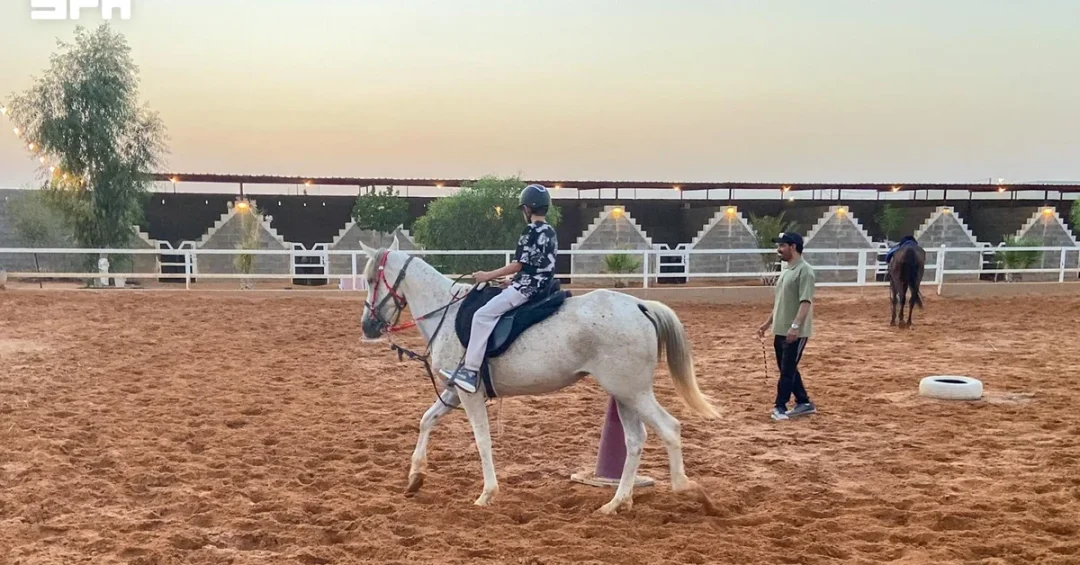
Equestrian sports in the Qassim Region are experiencing a significant surge in popularity, driven by the expansion of specialized stables that offer riding instruction, training programs, and recreational activities for all age groups. This development, reported by the Saudi Press Agency (SPA), highlights the Kingdom’s growing commitment to preserving its equestrian heritage while promoting modern sporting opportunities across the nation.
Context and Background
Qassim Region, known for its agricultural heritage and connection to Arabian horse culture, has long been a center for equestrian activities. The recent growth in specialized stables reflects a broader national trend toward developing sports and recreational infrastructure as part of Saudi Arabia’s Vision 2030. The region’s vast sandy expanses and desert parks provide an ideal environment for riding, attracting both local enthusiasts and international attention.
The expansion aligns with the Kingdom’s efforts to diversify its economy and enhance quality of life for citizens and residents. Equestrianism, deeply rooted in Saudi culture, serves as a bridge between tradition and modernity, offering a unique blend of sport, heritage, and tourism potential.
Key Details
According to official Saudi sources, training programs at these stables cater to diverse groups, from children and beginners to experienced riders. The curriculum typically begins with fundamental skills such as horse handling, mounting, and movement control, before advancing to more specialized disciplines like obstacle jumping, dressage, and stable management.
Horse stud owner Bandar Al-Tamimi emphasized that Qassim Region offers an ideal environment for riding, noting that stables are witnessing remarkable growth and a steady increase in the number of horse breeders and trainees. His insights underscore the region’s potential as a hub for equestrian excellence.
Many equestrian centers in Qassim also incorporate cultural elements, combining sports training with traditional Arabian horse events and activities. This integration not only preserves cultural heritage but also enriches the experience for participants and spectators alike.
Implications and Impact
The growth of equestrian sports in Qassim has several important implications. Economically, it stimulates local businesses related to horse breeding, equipment, and tourism. Socially, it promotes physical fitness, discipline, and community engagement among youth and families. Culturally, it reinforces the Kingdom’s dedication to safeguarding its traditions while embracing contemporary sporting practices.
Regionally, Qassim’s success could serve as a model for other areas in Saudi Arabia, encouraging similar developments and contributing to the nation’s broader sports strategy. Internationally, it enhances Saudi Arabia’s profile as a destination for equestrian tourism and competition, attracting visitors and participants from around the world.
Vision 2030 Alignment
This initiative is closely aligned with Saudi Vision 2030, which aims to promote a vibrant society, a thriving economy, and an ambitious nation. By fostering equestrian sports, the Kingdom not only preserves its cultural legacy but also creates new opportunities for economic growth, youth engagement, and international collaboration. As Qassim continues to develop its equestrian infrastructure, it contributes to the realization of Vision 2030’s goals, demonstrating Saudi Arabia’s leadership in both heritage preservation and modern sports development.
20 Questions
Q1. What is driving the growth of equestrian sports in Qassim Region?
A1. The expansion of specialized stables offering riding instruction, training programs, and recreational activities for various age groups is driving the growth of equestrian sports in Qassim Region.
Q2. Who reported the increase in equestrian interest in Qassim?
A2. The Saudi Press Agency (SPA) reported the increase in equestrian interest in Qassim Region on October 07, 2026, highlighting the expansion of specialized stables.
Q3. What types of training programs are offered at these stables?
A3. Training programs cater to diverse groups, from children and beginners to experienced riders, beginning with horse handling, mounting, and movement control before advancing to obstacle jumping, dressage, and stable management.
Q4. How does Qassim’s environment support equestrian activities?
A4. Qassim Region offers vast sandy expanses and desert parks close to the city, providing an ideal environment for riding and training, as noted by horse stud owner Bandar Al-Tamimi.
Q5. What cultural elements are combined with equestrian training in Qassim?
A5. Some centers combine sports training with aspects of Arabian horse culture through traditional events and activities, enriching the experience and preserving heritage.
Q6. What did Bandar Al-Tamimi say about the growth of stables?
A6. Bandar Al-Tamimi noted that stables are witnessing remarkable growth and a steady increase in the number of horse breeders and trainees in Qassim Region.
Q7. How does equestrianism in Qassim reflect Saudi heritage?
A7. Equestrianism in Qassim carries a deep heritage dimension, with centers integrating Arabian horse culture into their programs, thus preserving traditional practices alongside modern sports.
Q8. What are the economic implications of this growth?
A8. The growth stimulates local businesses related to horse breeding, equipment, and tourism, contributing to economic diversification and job creation in the region.
Q9. How does this development align with Vision 2030?
A9. It aligns with Vision 2030 by promoting a vibrant society, a thriving economy, and an ambitious nation, while preserving cultural legacy and creating new opportunities.
Q10. What age groups participate in these equestrian programs?
A10. Programs cater to children, beginners, and experienced riders, ensuring inclusivity and opportunities for all age groups to engage in equestrian sports.
Q11. What skills are taught in the initial stages of training?
A11. Initial training focuses on horse handling, mounting, and movement control, providing a foundation before advancing to more complex disciplines.
Q12. What advanced disciplines are available for experienced riders?
A12. Experienced riders can advance to obstacle jumping, dressage, and stable management, allowing for skill development and competitive participation.
Q13. How does Qassim’s equestrian growth benefit tourism?
A13. It enhances Saudi Arabia’s profile as a destination for equestrian tourism, attracting visitors and participants from around the world, and boosting local hospitality sectors.
Q14. What role do specialized stables play in the community?
A14. Specialized stables provide recreational and cultural activities, promote physical fitness, discipline, and community engagement among youth and families.
Q15. How does this initiative preserve Arabian horse culture?
A15. By combining sports training with traditional events and activities, the initiative preserves Arabian horse culture and transmits it to new generations.
Q16. What is the significance of Qassim’s sandy expanses for riding?
A16. The vast sandy expanses and desert parks provide an ideal natural environment for riding, training, and organizing equestrian events, as highlighted by local experts.
Q17. How might this development influence other regions in Saudi Arabia?
A17. Qassim’s success could serve as a model for other regions, encouraging similar developments and contributing to the nation’s broader sports strategy.
Q18. What government support exists for equestrian sports in Saudi Arabia?
A18. The Saudi government supports equestrian sports through Vision 2030 initiatives, promoting sports infrastructure, heritage preservation, and youth engagement across the Kingdom.
Q19. How does equestrianism contribute to Saudi Arabia’s international profile?
A19. It enhances Saudi Arabia’s international profile by showcasing its equestrian heritage and modern facilities, attracting global events and participants.
Q20. What future developments can be expected for equestrian sports in Qassim?
A20. Continued expansion of stables, increased training programs, and greater integration of cultural events are expected, further solidifying Qassim’s role in Saudi equestrianism.
Reader Feedback
We value your thoughts. Please share your feedback on this article.
Your feedback helps us improve our coverage.