


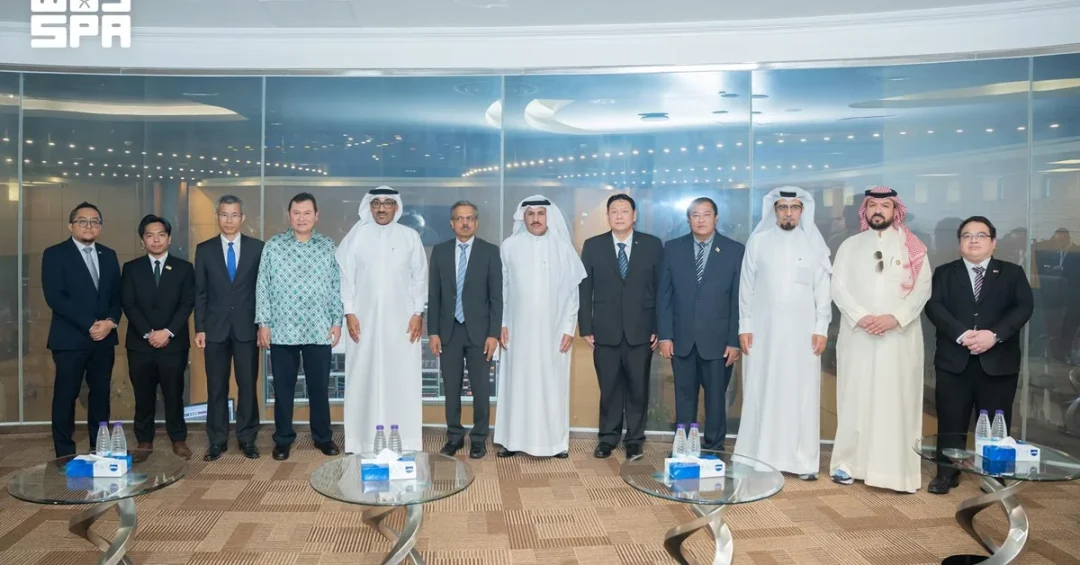
A delegation of ambassadors from the Association of Southeast Asian Nations (ASEAN) accredited to the Kingdom of Saudi Arabia visited the headquarters of the Gulf Cooperation Council Interconnection Authority (GCCIA) in Dammam to learn about the Gulf region’s experience in electrical grid linkage and energy integration. The visit, reported by the Saudi Press Agency (SPA), aimed to introduce the delegation to the Gulf states’ achievements in regional energy connectivity and to explore opportunities for cooperation in energy security and network development. The delegation was briefed on GCCIA’s plans, expansion projects, and efforts to strengthen the interconnected power grid’s capabilities to meet growing energy demands.
Context and Background
The Gulf Cooperation Council Interconnection Authority, established in 2001, is a joint initiative among the six GCC member states—Saudi Arabia, the United Arab Emirates, Kuwait, Qatar, Bahrain, and Oman—to interconnect their electrical grids. This strategic infrastructure project enhances energy security, reliability, and economic efficiency by enabling power exchange and emergency support. The GCCIA operates one of the world’s largest interconnected power grids, linking national networks and facilitating electricity trading. The visit by ASEAN ambassadors underscores the growing international interest in the Gulf’s model of regional energy integration, which aligns with Saudi Arabia’s Vision 2030 objectives to diversify energy sources and strengthen global partnerships.
Key Details
During the visit, the ASEAN delegation learned about the GCCIA’s control center operations and its role in maintaining the stability and security of power systems. They were briefed on mechanisms for managing and monitoring the GCC grid, market activities, and the latest technologies used to maintain and upgrade grid assets. The discussions also covered the authority’s role in supporting national grids during emergencies and enhancing their resilience. The delegation explored opportunities to strengthen cooperation and exchange knowledge between GCC and ASEAN countries in electrical grid linkage, energy security, and network development. The GCCIA highlighted its expansion projects and plans to provide broader options for energy exchange and trading to meet the growing needs of member states.
Implications and Impact
This visit signals a significant step toward interregional energy cooperation between the Gulf and Southeast Asia. By sharing its expertise, the GCCIA positions the Gulf as a leader in energy integration, potentially opening doors for ASEAN countries to develop similar interconnected grids. Such collaboration could enhance energy security, reduce costs, and promote sustainable development across both regions. For Saudi Arabia, this engagement reinforces its role as a pivotal player in global energy diplomacy and a key partner in advancing energy transition efforts. It also supports the Kingdom’s broader strategy to diversify its international alliances and export its expertise in large-scale infrastructure projects.
Vision 2030 Alignment
Saudi Arabia’s Vision 2030 emphasizes the development of robust energy infrastructure and international partnerships as catalysts for economic growth and sustainability. The GCCIA’s work aligns directly with these goals by promoting regional integration, enhancing energy reliability, and fostering innovation in grid management. The exchange with ASEAN ambassadors demonstrates the Kingdom’s commitment to sharing its knowledge and fostering global cooperation, further solidifying its leadership in the energy sector and contributing to a more interconnected and resilient global energy landscape.
20 Questions
Q1. What was the purpose of the ASEAN ambassadors’ visit to the GCCIA?
A1. The visit aimed to introduce the delegation to the Gulf states’ experience in electrical grid linkage and regional energy integration, highlighting achievements and exploring cooperation opportunities.
Q2. Where is the GCCIA headquartered?
A2. The GCCIA is headquartered in Dammam, Saudi Arabia.
Q3. Which countries are members of the GCC?
A3. The GCC member states are Saudi Arabia, the United Arab Emirates, Kuwait, Qatar, Bahrain, and Oman.
Q4. When was the GCCIA established?
A4. The GCCIA was established in 2001.
Q5. What is the primary goal of the GCCIA?
A5. Its primary goal is to interconnect the electrical grids of GCC member states to enhance energy security, reliability, and economic efficiency.
Q6. What did the ASEAN delegation learn about at the GCCIA?
A6. They learned about GCCIA’s plans, expansion projects, control center operations, and mechanisms for managing the interconnected grid.
Q7. What role does the GCCIA play during emergencies?
A7. The GCCIA supports national grids during emergencies by providing mutual assistance and enhancing their resilience.
Q8. How does the GCCIA benefit member states?
A8. It enables power exchange, reduces costs, improves reliability, and facilitates energy trading among member states.
Q9. What opportunities were discussed between GCC and ASEAN countries?
A9. They discussed strengthening cooperation, exchanging knowledge, and developing electrical grid linkage and energy security.
Q10. Why is the GCCIA considered a strategic project?
A10. It is one of the most prominent joint strategic infrastructure projects among GCC states, enhancing regional energy integration.
Q11. What technologies does the GCCIA use?
A11. The GCCIA uses advanced technologies for grid management, monitoring, and maintenance to ensure stability and efficiency.
Q12. How does the GCCIA align with Saudi Vision 2030?
A12. It supports Vision 2030 by promoting energy infrastructure development, international partnerships, and economic diversification.
Q13. What is the significance of ASEAN-GCC cooperation in energy?
A13. It fosters interregional collaboration, enhances energy security, and promotes sustainable development across both regions.
Q14. What challenges did the GCCIA face during its development?
A14. Challenges included technical, regulatory, and financial hurdles, which were overcome through cooperation and innovative solutions.
Q15. How does the GCCIA facilitate energy trading?
A15. It provides a platform for member states to exchange electricity, optimizing supply and demand and reducing costs.
Q16. What are the future expansion plans of the GCCIA?
A16. Plans include strengthening grid capabilities, integrating more renewable energy, and expanding interconnection capacity to meet growing demand.
Q17. How many countries are in ASEAN?
A17. ASEAN comprises ten member states: Brunei, Cambodia, Indonesia, Laos, Malaysia, Myanmar, the Philippines, Singapore, Thailand, and Vietnam.
Q18. What is the expected impact of this visit on GCC-ASEAN relations?
A18. It is expected to strengthen diplomatic and technical ties, paving the way for future collaboration in energy and infrastructure.
Q19. How does the GCCIA contribute to energy sustainability?
A19. By enabling efficient power exchange and integrating renewable energy sources, it supports sustainability and reduces carbon emissions.
Q20. What is the Saudi Press Agency’s role in reporting this event?
A20. The Saudi Press Agency (SPA) is the official news agency of Saudi Arabia, providing accurate and timely coverage of national and international events.
Reader Feedback
We value your thoughts. Please share your feedback on this article.
Your feedback helps us improve our coverage.