


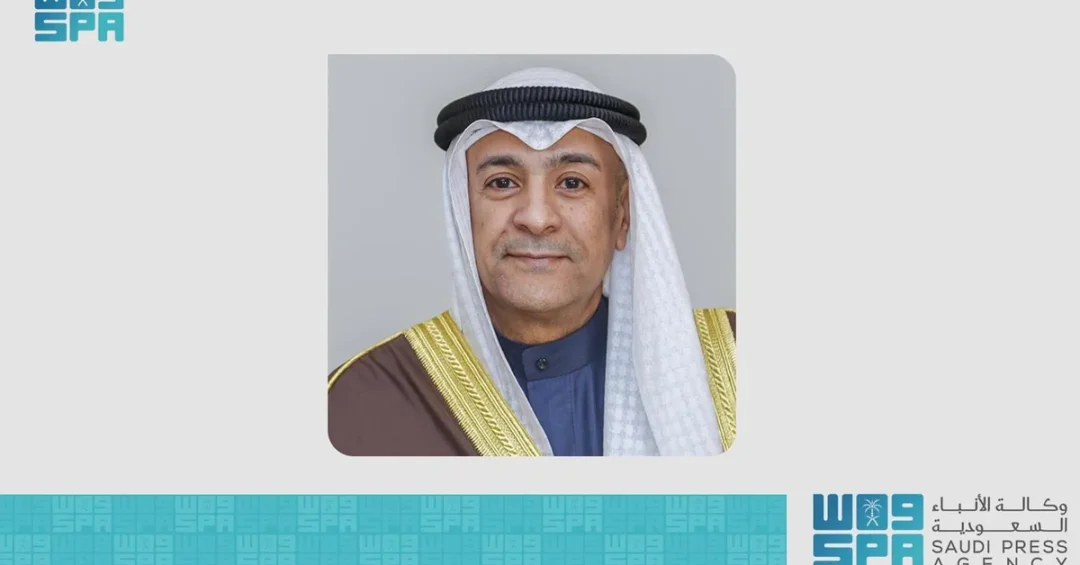
Riyadh, March 15, 2025 — The Secretary-General of the Gulf Cooperation Council (GCC), Jasem Albudaiwi, has welcomed the completion of peace negotiations between the Republic of Azerbaijan and the Republic of Armenia, according to an official statement released by the Saudi Press Agency (SPA). In a press statement issued from Riyadh, Albudaiwi expressed optimism that the agreement would usher in a new era of strong relations between the two nations, built on cooperation, mutual respect, and lasting security and stability.
Context and Background
The announcement comes amid sustained international efforts to resolve one of the South Caucasus’s most protracted conflicts. The Azerbaijan-Armenia dispute, centered primarily on the Nagorno-Karabakh region, has affected regional stability for decades. Diplomatic initiatives in recent years have sought to achieve a comprehensive settlement, and the conclusion of negotiations represents a significant milestone in that process. The GCC, headquartered in Riyadh, has consistently advocated for peaceful dialogue and stability beyond its immediate neighborhood, reflecting its broader foreign policy vision. Albudaiwi’s statement underscores the Council’s commitment to supporting peaceful resolutions and strengthening ties with friendly nations.
Key Details
In his remarks, the GCC Secretary-General described the completion of negotiations as a positive development for the region and beyond. He emphasized that the agreement, once formalized, should pave the way for enhanced cooperation between Azerbaijan and Armenia, characterized by mutual respect and shared interests. Albudaiwi also reiterated the GCC’s support for international efforts aimed at promoting peace and security, aligning with the principles of the United Nations Charter. The statement, carried by the Saudi Press Agency, highlights the Kingdom’s ongoing diplomatic engagement and its role in fostering stability across the region and beyond.
Implications and Impact
The peace agreement, if fully implemented, could transform the geopolitical landscape of the South Caucasus, opening new opportunities for trade, energy cooperation, and connectivity. For the GCC, a stable South Caucasus means enhanced prospects for economic collaboration, particularly in sectors such as energy, infrastructure, and logistics. The region serves as a crucial corridor linking Europe and Asia, and peace would facilitate smoother transit of goods and resources. Furthermore, the GCC’s vocal support for the agreement reinforces its growing role as a diplomatic actor on the global stage, capable of contributing constructively to international peace efforts. This aligns with Saudi Arabia’s broader foreign policy objectives of promoting dialogue and stability.
Vision 2030 Alignment
Saudi Arabia’s Vision 2030 aims to diversify the economy, strengthen international partnerships, and position the Kingdom as a global hub for diplomacy and investment. The GCC’s endorsement of the Azerbaijan-Armenia peace process reflects these aspirations by encouraging regional stability that can lead to new economic corridors and collaborative ventures. As the Kingdom continues to modernize and expand its global influence, its support for peaceful resolutions and its leadership within the GCC will remain central to achieving a prosperous and secure future for the region and the world. The completion of these negotiations thus represents not only a victory for diplomacy but also a step forward in realizing the shared goals of stability and prosperity.
20 Questions
Q1. Who welcomed the completion of negotiations between Azerbaijan and Armenia?
A1. Jasem Albudaiwi, Secretary-General of the Gulf Cooperation Council (GCC), welcomed the completion of negotiations, according to a statement released by the Saudi Press Agency.
Q2. When was the statement released?
A2. The statement was released on March 15, 2025, as reported by the Saudi Press Agency, with a timestamp of 17:36 local time (14:36 GMT).
Q3. What did the GCC Secretary-General hope for?
A3. He expressed hope that the agreement would mark a new phase in building strong relations between Azerbaijan and Armenia based on cooperation, mutual respect, and characterized by security and stability.
Q4. What is the GCC?
A4. The Gulf Cooperation Council is a regional intergovernmental organization comprising six Arab states of the Persian Gulf, headquartered in Riyadh, Saudi Arabia.
Q5. Which two countries completed peace negotiations?
A5. The Republic of Azerbaijan and the Republic of Armenia completed the negotiations, aiming to resolve long-standing disputes and establish lasting peace.
Q6. What is the significance of this peace agreement?
A6. It represents a major step toward stability in the South Caucasus, potentially opening avenues for economic cooperation, trade, and regional connectivity.
Q7. How did Albudaiwi describe the two nations?
A7. He referred to them as “friendly countries,” indicating the GCC’s positive view of both Azerbaijan and Armenia and its support for their peaceful coexistence.
Q8. What role did the Saudi Press Agency play?
A8. The Saudi Press Agency (SPA) officially released the statement, underscoring Saudi Arabia’s engagement and the GCC’s transparent communication with the public.
Q9. What does the GCC hope to see in the region?
A9. The GCC hopes to see enhanced security, stability, and cooperation, which are essential for economic development and prosperity in the region and beyond.
Q10. How does this align with Saudi Arabia’s foreign policy?
A10. It aligns with Saudi Arabia’s commitment to promoting peace, dialogue, and stability, as well as its Vision 2030 goals of strengthening international partnerships and economic diversification.
Q11. What are the potential economic benefits of the peace agreement?
A11. The agreement could boost trade, energy cooperation, and infrastructure projects, as the South Caucasus serves as a strategic corridor between Europe and Asia.
Q12. Did the GCC mediate in the negotiations?
A12. The statement does not indicate direct GCC mediation; rather, it welcomes the completion of negotiations, reflecting the GCC’s supportive stance toward peaceful resolutions.
Q13. What does the GCC Secretary-General’s statement signify?
A13. It signifies the GCC’s active interest in regional and international peace, and its willingness to support agreements that foster stability and cooperation.
Q14. How might this affect GCC-Azerbaijan relations?
A14. It could strengthen diplomatic and economic ties, as peace in the region opens opportunities for increased cooperation in energy, trade, and investment.
Q15. What is the historical context of the Azerbaijan-Armenia conflict?
A15. The conflict primarily revolves around the Nagorno-Karabakh region, which has been a source of tension for decades, with previous ceasefires and negotiations failing to achieve lasting peace.
Q16. What other countries or organizations have welcomed the agreement?
A16. While the statement only mentions the GCC, other international bodies and nations have likely expressed support, given the global interest in South Caucasus stability.
Q17. What are the next steps after the negotiations?
A17. The next steps likely involve formalizing the agreement, implementing its provisions, and ensuring both parties adhere to the terms to build lasting peace.
Q18. How does this reflect on Saudi Arabia’s leadership?
A18. It highlights Saudi Arabia’s growing diplomatic influence and its role in promoting peace and stability, consistent with its Vision 2030 objectives.
Q19. What is the GCC’s stance on peaceful resolution of conflicts?
A19. The GCC consistently advocates for peaceful dialogue and diplomacy, as evidenced by its support for this agreement and its broader foreign policy principles.
Q20. How can this peace agreement contribute to Vision 2030?
A20. By fostering stability, it can enhance economic opportunities, attract investment, and strengthen international partnerships, all of which are key pillars of Saudi Arabia’s Vision 2030.
Reader Feedback
We value your thoughts. Please share your feedback on this article.
Your feedback helps us improve our coverage.
Related articles
 KSrelief Distributes Dates in Marib, Yemen
 Environmental Security Forces Protect Prince Mohammed bin Salman Reserve
 KSrelief Distributes 1,390 Food Baskets in Somalia
 KSrelief Distributes 220 Food Baskets in Mauritania
 KSrelief Distributes 300 Food Baskets in Bangladesh
 OIC Welcomes Tajikistan-Kyrgyz Border Agreement