


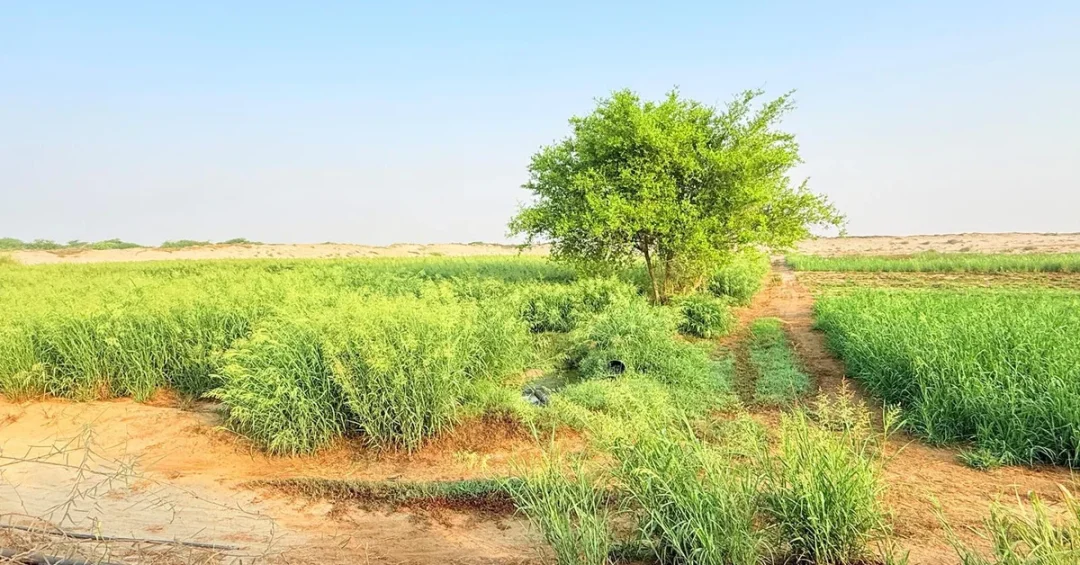
Al-Ardiyat Governorate in Makkah Region is showcasing the natural splendor of its “Al-Khawaniq” gorges, a series of lush valleys where seasonal rains and fertile soil sustain sesame cultivation and open new horizons for rural tourism, according to information released via the Saudi Press Agency (SPA). The gorges, which come alive between rainy seasons, embody a harmonious blend of nature and agriculture that reflects the deep bond between local residents and their land, supporting livelihoods and shaping the area’s cultural identity.
Context and Background
Al-Ardiyat Governorate, located in the Makkah Region, is known for its diverse topography, which includes mountains, valleys, and agricultural plains. The Al-Khawaniq gorges are a distinct geographical feature that benefits from seasonal rainfall, transforming the landscape into a vibrant rural scene. This natural phenomenon not only enhances the area’s scenic beauty but also plays a crucial role in the local agricultural cycle, particularly for crops such as sesame, which has been cultivated in the region for generations. The integration of natural water flow and traditional farming practices highlights the resilience and adaptability of the local community, which has long relied on these gorges for sustenance and economic activity.
According to the Saudi Press Agency, the gorges are a testament to the Kingdom’s rich natural diversity, offering a glimpse into the agricultural heritage of the Makkah Region. The cyclical renewal of the gorges with each rainy season underscores the dynamic relationship between the environment and human activity, a relationship that has sustained rural communities for centuries.
Key Details
The Al-Khawaniq gorges are characterized by their fertile soil and water retention capabilities, which make them ideal for cultivating sesame and other crops. Sesame, in particular, is a significant agricultural product for the region, contributing to the local economy and adding a productive dimension to the natural landscape. The cultivation process, from planting to harvesting, is closely tied to the seasonal rains, creating a rhythm of life that defines the area’s rural identity.
The natural scenery of the gorges, enhanced by the flow of water during the rainy season, attracts attention as a potential destination for rural tourism. Visitors could explore the agricultural stages of crops like sesame, learning about traditional farming methods and the importance of sustainable land use. This aligns with broader efforts to diversify tourism offerings in Saudi Arabia, moving beyond iconic sites to include lesser-known natural and cultural treasures.
Implications and Impact
The development of rural tourism in Al-Ardiyat Governorate could have significant implications for the local and national economy. By opening up the Al-Khawaniq gorges to visitors, the region can create new opportunities for income generation, job creation, and small business development, particularly in hospitality, guiding, and local produce sales. This form of tourism also promotes cultural exchange, allowing international visitors to gain insights into Saudi Arabia’s agricultural traditions and rural way of life.
Moreover, the focus on rural tourism supports the Kingdom’s broader goals of economic diversification and sustainable development. It encourages the preservation of natural landscapes and traditional practices while providing a source of livelihood for local communities. The integration of agriculture and tourism can also foster a greater appreciation for environmental conservation, as the health of the gorges directly impacts both agricultural output and visitor experiences.
Vision 2030 Alignment
The promotion of rural tourism in Al-Ardiyat Governorate aligns closely with Saudi Vision 2030, which seeks to diversify the economy, enhance quality of life, and showcase the Kingdom’s rich cultural and natural heritage. By developing unique destinations like the Al-Khawaniq gorges, Saudi Arabia can attract a wider range of tourists, including those interested in eco-tourism and agricultural experiences. This initiative also supports the Vision’s emphasis on empowering local communities and creating sustainable economic opportunities beyond major urban centers.
As the Kingdom continues to invest in tourism infrastructure and promote its hidden gems, sites like Al-Khawaniq exemplify how natural resources and traditional practices can be leveraged to contribute to a vibrant, diversified economy while preserving the environment and cultural identity for future generations.
20 Questions
Q1. Where are the Al-Khawaniq gorges located?
A1. The Al-Khawaniq gorges are located in Al-Ardiyat Governorate in the Makkah Region of Saudi Arabia, an area known for its diverse topography and agricultural heritage.
Q2. What makes the Al-Khawaniq gorges unique?
A2. The gorges are unique for their seasonal renewal with rainfall, fertile soil, and their role in sustaining sesame cultivation, blending natural beauty with agricultural productivity.
Q3. What is the main crop cultivated in the Al-Khawaniq gorges?
A3. Sesame is the most notable crop cultivated in the Al-Khawaniq gorges, representing a significant agricultural activity that adds a productive dimension to the area’s natural landscape.
Q4. How do the gorges reflect the human bond with the land?
A4. The gorges reflect the human bond with the land through the careful cultivation of crops, reliance on seasonal rains, and the integration of agriculture into the local identity and livelihood.
Q5. What role does rainfall play in the Al-Khawaniq gorges?
A5. Rainfall replenishes the gorges, renewing their features and enabling agricultural activities, particularly the planting and harvesting of sesame, which depends on seasonal water flow.
Q6. How might rural tourism benefit Al-Ardiyat Governorate?
A6. Rural tourism can create jobs, generate income, promote local products, and attract visitors interested in learning about agriculture and natural landscapes, thereby boosting the local economy.
Q7. What is the significance of sesame cultivation in the region?
A7. Sesame cultivation is a traditional agricultural practice that supports local livelihoods, contributes to the economy, and represents a cultural connection to the land and its seasons.
Q8. How does the integration of nature and agriculture open tourism opportunities?
A8. It allows visitors to explore crops and their production stages, offering educational and experiential tourism that highlights the region’s agricultural heritage and natural beauty.
Q9. What are the potential environmental benefits of promoting tourism in the gorges?
A9. Promoting tourism can encourage environmental conservation, as the preservation of the gorges is essential for both agricultural sustainability and attracting visitors.
Q10. How does this initiative align with Saudi Vision 2030?
A10. It aligns with Vision 2030 by diversifying the economy, enhancing tourism offerings, supporting rural communities, and showcasing Saudi Arabia’s natural and cultural heritage.
Q11. What other crops might be grown in the Al-Khawaniq gorges?
A11. While sesame is prominent, the fertile soil and water availability may support other crops, though specific ones are not detailed in the source information.
Q12. What is the climate like in Al-Ardiyat Governorate?
A12. Al-Ardiyat Governorate experiences seasonal rains that nourish the gorges, creating a dynamic environment that supports agriculture and renews the landscape.
Q13. How can visitors learn about crop production stages?
A13. Visitors can engage with local farmers, participate in agricultural tours, and observe planting and harvesting activities, gaining hands-on knowledge of traditional farming methods.
Q14. What is the historical significance of the Al-Khawaniq gorges?
A14. The gorges have likely been used for agriculture for generations, reflecting a long-standing tradition of land stewardship and community resilience in the region.
Q15. How does the local community benefit from the gorges?
A15. The community benefits through agricultural production, income from crop sales, and potential tourism revenue, all of which sustain livelihoods and strengthen the local economy.
Q16. What infrastructure is needed to develop rural tourism there?
A16. Infrastructure such as access roads, visitor centers, guided tours, and hospitality services would be needed to develop rural tourism, though specific plans are not outlined.
Q17. Are there any conservation efforts in place for the gorges?
A17. Conservation efforts may be implied through sustainable agricultural practices, but the source information does not detail specific programs.
Q18. How does the SPA report describe the gorges?
A18. The SPA report describes the gorges as showcasing natural features and rural tourism opportunities, emphasizing their role in agriculture and their scenic beauty.
Q19. What makes Al-Ardiyat Governorate a potential tourist destination?
A19. Its diverse natural landscapes, agricultural heritage, and the unique Al-Khawaniq gorges make it a potential destination for rural and eco-tourism.
Q20. What is the long-term vision for rural tourism in Saudi Arabia?
A20. The long-term vision is to diversify tourism, promote sustainable development, and showcase the Kingdom’s natural and cultural treasures, in line with Vision 2030 goals.
Reader Feedback
We value your thoughts. Please share your feedback on this article.
Your feedback helps us improve our coverage.