


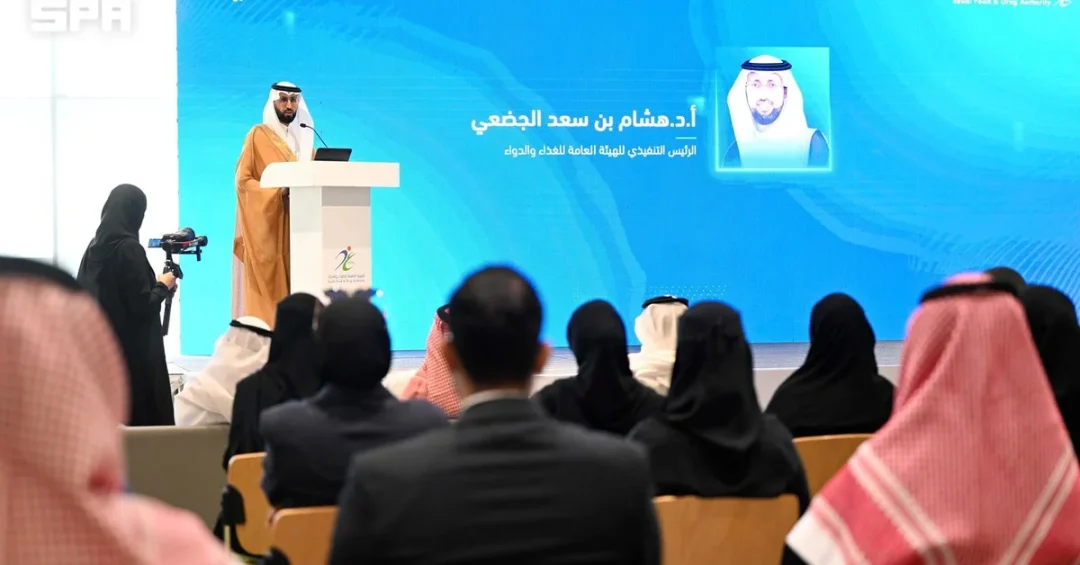
The Saudi Food and Drug Authority (SFDA) and the Saudi National Institute of Health (Saudi NIH) have launched five strategic initiatives to strengthen the Kingdom’s clinical trials ecosystem and accelerate access to innovative medicines. The launch took place during an official ceremony at SFDA headquarters in Riyadh, led by SFDA Chief Executive Officer Dr. Hisham Aljadhey, with Saudi NIH Chief Executive Officer Fars Alanazi and representatives from national health authorities and research centers in attendance.
Context and Background
The initiatives build on sustained collaboration between the two bodies, which are working to improve the efficiency of clinical research and create a regulatory and research environment that supports the long-term growth of Saudi Arabia’s health sector. Clinical trials are a cornerstone of medical innovation, enabling new treatments to be tested and approved under rigorous safety and quality standards.
According to information released through official Saudi channels, the partnership reflects a shared strategic commitment to research and innovation, with the goal of strengthening the pharmaceutical industry and bringing advanced therapies to patients more quickly. The ceremony highlighted the expanding role of clinical research within the national health system.
Key Details
In his opening remarks, Dr. Aljadhey underlined the importance of the strategic partnership between the SFDA, the Saudi NIH, and health-sector stakeholders, noting that it has driven a significant increase in clinical trials conducted in the Kingdom. He described the newly launched initiatives as a vital cornerstone for continued sector growth and said they will amplify the health system’s overall impact.
Fars Alanazi commended the rapid expansion of Saudi Arabia’s research and innovation ecosystem, particularly in clinical trials. He emphasized that effective cooperation with the SFDA and relevant stakeholders has strengthened the health research environment, empowered national talent, and enhanced the Kingdom’s standing in this field.
The five initiatives officially launched are: the Clinical Trials Agreement Reference Model Initiative; the Guideline for Establishing Clinical Trial Units Initiative; the Profile for Hospitals and Research Centers Specialized in Clinical Trials Initiative; the Clinical Trials Reliance Pathway Initiative; and the RAID Pathway to Support the Registration of Innovative Investigational Medicines Initiative.
Together, these measures aim to reinforce clinical trials infrastructure, develop regulatory and legislative frameworks that encourage innovation, and expedite the development of modern medicines and treatments in line with the highest international standards.
Implications and Impact
The initiatives are expected to make the Kingdom a more attractive destination for clinical research, benefiting patients, researchers, hospitals, and pharmaceutical companies alike. By streamlining agreement models, establishing specialized units, and creating reliance pathways that recognize trusted regulatory decisions, the framework can reduce duplication and speed up the availability of innovative treatments.
For international partners, the developments signal a more predictable and enabling environment for collaboration in research and development. The emphasis on reliance pathways and support for registering investigational medicines aligns Saudi Arabia with global best practices in regulatory science, positioning the Kingdom as a regional hub for clinical trials and life-sciences investment.
Vision 2030 Alignment
The launch represents a milestone in SFDA-Saudi NIH cooperation and supports the Kingdom’s drive toward a knowledge-based economy. It aligns directly with the Health Sector Transformation Program, a key component of Saudi Vision 2030, which seeks to improve healthcare quality, foster innovation, and ensure patients have timely access to advanced treatments. Through these initiatives, Saudi Arabia continues to strengthen its capacity for world-class research, reinforcing its growing role as a leader in global health innovation.
20 Questions
Q1. What did the SFDA and Saudi NIH launch?
A1. The Saudi Food and Drug Authority and the Saudi National Institute of Health launched five strategic initiatives focused on clinical trials, aimed at strengthening infrastructure and accelerating access to innovative medicines in the Kingdom.
Q2. Where was the launch ceremony held?
A2. The ceremony took place at the SFDA headquarters in Riyadh, attended by health authorities and research centers, according to information released through official Saudi channels.
Q3. Who led the launch of these initiatives?
A3. The initiatives were launched by SFDA Chief Executive Officer Dr. Hisham Aljadhey, in partnership with the Saudi NIH, whose CEO Fars Alanazi also attended the ceremony.
Q4. What is the main purpose of these initiatives?
A4. They aim to enhance the efficiency of the clinical trials ecosystem, foster an attractive regulatory and research environment, and support the growth and sustainability of the Kingdom’s health sector.
Q5. What is the Clinical Trials Agreement Reference Model Initiative?
A5. It is one of the five launched initiatives, designed to standardize and streamline agreements for clinical trials, helping facilitate research partnerships and reduce administrative complexity across the Kingdom’s health sector.
Q6. What does the Guideline for Establishing Clinical Trial Units Initiative involve?
A6. This initiative provides a clear framework for establishing clinical trial units in hospitals and research centers, supporting consistent quality and enabling more institutions to participate in clinical research.
Q7. What is the Profile for Hospitals and Research Centers Initiative?
A7. It creates profiles of hospitals and research centers specialized in clinical trials, improving visibility of national capabilities and helping match research sponsors with qualified Saudi institutions.
Q8. What is the Clinical Trials Reliance Pathway Initiative?
A8. This pathway allows reliance on trusted regulatory decisions, reducing duplication and accelerating the approval and conduct of clinical trials in line with international best practices.
Q9. What is the RAID Pathway Initiative?
A9. The RAID Pathway supports the registration of innovative investigational medicines, helping expedite the development and availability of modern treatments for patients in Saudi Arabia.
Q10. How do these initiatives benefit patients in Saudi Arabia?
A10. By accelerating clinical trials and streamlining regulatory processes, the initiatives aim to bring innovative treatments to patients more quickly, improving healthcare outcomes and access to advanced therapies.
Q11. What did Dr. Hisham Aljadhey say about the partnership?
A11. He highlighted the strategic partnership between the SFDA, Saudi NIH, and stakeholders, noting its role in driving a significant increase in clinical trials conducted across the Kingdom.
Q12. What did Fars Alanazi emphasize?
A12. Alanazi commended the rapid growth of Saudi Arabia’s research ecosystem, noting the partnership has strengthened health research and empowered national talent to contribute to this growing field.
Q13. How do these initiatives support the pharmaceutical industry?
A13. They develop regulatory and legislative frameworks that foster innovation, helping the pharmaceutical industry grow and expedite the development of modern medicines in accordance with international standards.
Q14. What role does clinical trials infrastructure play in healthcare?
A14. Strong clinical trials infrastructure enables rigorous testing of new treatments, ensures safety and quality, and supports a health system’s ability to innovate and improve patient care.
Q15. How does this align with Saudi Vision 2030?
A15. The initiatives align with the Health Sector Transformation Program, a key component of Vision 2030, supporting the Kingdom’s drive toward a knowledge-based economy and improved healthcare quality.
Q16. Which entities attended the ceremony?
A16. The ceremony was attended by representatives from various health authorities and research centers, alongside the CEOs of the SFDA and the Saudi NIH, reflecting broad national collaboration.
Q17. Why is international standards alignment important?
A17. Aligning with the highest international standards ensures Saudi clinical trials meet global quality benchmarks, enhancing credibility, enabling international partnerships, and building trust in the Kingdom’s research output.
Q18. What does the collaboration aim to achieve long term?
A18. The collaboration seeks to achieve shared strategic goals, foster growth of the health research sector, and support the Kingdom’s transition toward a knowledge-based economy.
Q19. How might these initiatives affect Saudi Arabia’s global standing?
A19. By strengthening clinical trials infrastructure and regulatory pathways, the Kingdom positions itself as a regional hub for research and innovation, enhancing its global standing in health sciences.
Q20. What is the overall significance of this launch?
A20. The launch marks a milestone in SFDA-Saudi NIH cooperation, reinforcing commitment to innovation, improving patient access to advanced treatments, and advancing the Kingdom’s health-sector transformation goals.
Reader Feedback
We value your thoughts. Please share your feedback on this article.
Your feedback helps us improve our coverage.