


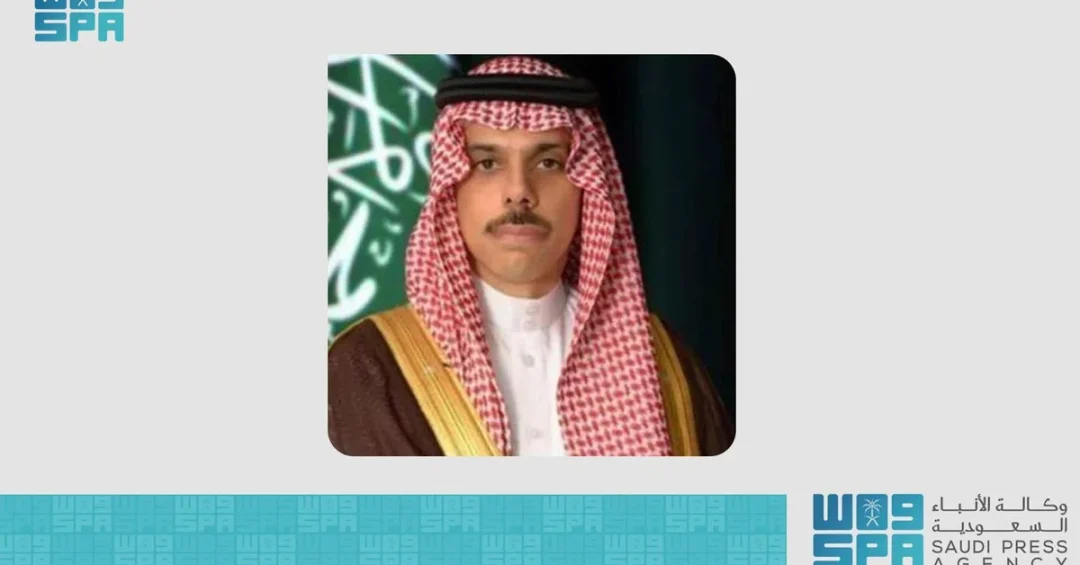
Minister of Foreign Affairs Prince Faisal bin Farhan bin Abdullah held a phone conversation on September 2, 2024, with Moroccan Minister of Foreign Affairs, African Cooperation and Moroccan Expatriates Nasser Bourita to discuss the latest developments concerning the Palestinian issue, according to the Saudi Press Agency (SPA). The two top diplomats focused on the efforts of Arab and Muslim countries to achieve an immediate cessation of all Israeli violations and to support the establishment of a secure and stable Palestinian state in accordance with relevant international laws. The call underscores Saudi Arabia’s continued diplomatic engagement on regional issues and its commitment to coordinating with key allies.
Context and Background
The phone conversation between Prince Faisal bin Farhan and Nasser Bourita reflects the longstanding and fraternal ties between the Kingdom of Saudi Arabia and the Kingdom of Morocco. Both nations share a commitment to regional stability and have historically collaborated on issues of mutual concern, including the Palestinian cause. The discussion comes amid heightened regional tensions and ongoing international efforts to address the humanitarian situation in Gaza and revive the peace process. Saudi Arabia has consistently advocated for a two-state solution and has been actively engaging with Arab and Muslim countries to present a unified stance.
The timing of the call is significant, as it precedes potential diplomatic initiatives and international gatherings aimed at de-escalating the conflict. Morocco, like Saudi Arabia, has emphasized the need for a just and lasting solution to the Palestinian issue, and the two ministers’ dialogue reinforces the collective Arab position. This coordination is part of broader efforts by the Organization of Islamic Cooperation (OIC) and the Arab League, where both countries play influential roles.
Key Details of the Discussion
During the call, Prince Faisal and Minister Bourita addressed the latest developments in the Palestinian territories. They underscored the urgent need to halt Israeli violations and to ensure the protection of civilians. The ministers also discussed ways to support the establishment of an independent Palestinian state based on the 1967 borders with East Jerusalem as its capital, in line with United Nations resolutions and the Arab Peace Initiative.
The conversation highlighted the importance of joint action among Arab and Muslim nations to exert pressure on the international community to intervene and bring an end to the violence. Both officials reiterated their countries’ unwavering support for the Palestinian people’s legitimate rights and the need for a comprehensive and just peace. The Saudi Press Agency reported that the discussion was part of ongoing consultations between the two nations on regional and international issues of common interest.
Implications and Impact
This diplomatic engagement signals Saudi Arabia’s active role in mediating and coordinating responses to the Palestinian crisis. By aligning with Morocco, a key North African ally and a member of the Arab League and OIC, the Kingdom strengthens the collective Arab stance. The call also reinforces Saudi Arabia’s position as a responsible regional leader committed to peace and stability. It may pave the way for further joint initiatives, including potential diplomatic missions or humanitarian aid efforts.
On the international stage, such coordination can amplify the voice of Arab and Muslim countries in global forums, urging the United Nations and other powers to take decisive action. The conversation between Prince Faisal and Bourita is likely to be followed by similar diplomatic exchanges with other nations, as Saudi Arabia continues to build consensus around the Palestinian issue. This aligns with the Kingdom’s broader foreign policy objectives of promoting peace, security, and cooperation in the region.
Vision 2030 Alignment
Saudi Arabia’s diplomatic efforts, including this phone call, are integral to its Vision 2030 framework, which aims to position the Kingdom as a global leader and a hub for international diplomacy. By actively engaging with allies like Morocco, Saudi Arabia demonstrates its commitment to fostering stability and prosperity not only domestically but also across the region. Vision 2030 emphasizes the importance of strategic partnerships and proactive foreign policy, and this conversation exemplifies how the Kingdom leverages its diplomatic ties to address pressing regional challenges and support just causes.
As Saudi Arabia continues to modernize and open up to the world, its role in mediating conflicts and promoting peace becomes increasingly vital. The discussion between Prince Faisal and Minister Bourita is a testament to the Kingdom’s dedication to upholding international law and supporting the rights of the Palestinian people, while simultaneously advancing its own vision for a peaceful and prosperous future.
20 Questions
Q1. Who held a phone conversation on September 2, 2024?
A1. Minister of Foreign Affairs Prince Faisal bin Farhan bin Abdullah of Saudi Arabia and Moroccan Minister of Foreign Affairs, African Cooperation and Moroccan Expatriates Nasser Bourita.
Q2. What was the main topic of the phone call?
A2. The latest developments concerning the Palestinian issue and efforts to achieve a cessation of Israeli violations.
Q3. Which agency reported the phone conversation?
A3. The Saudi Press Agency (SPA) reported the conversation.
Q4. What did the two ministers discuss regarding the Palestinian issue?
A4. They discussed Arab and Muslim countries’ endeavors to achieve an immediate cessation of all Israeli violations and support the establishment of a secure and stable Palestinian state.
Q5. What is the significance of this phone call?
A5. It reflects Saudi Arabia’s continued diplomatic engagement on regional issues and coordination with key allies like Morocco.
Q6. How does this call align with Saudi Arabia’s foreign policy?
A6. It demonstrates the Kingdom’s commitment to promoting peace and stability in the region and supporting the Palestinian cause.
Q7. What is Morocco’s role in the discussion?
A7. Morocco, as a key North African ally, shares a commitment to regional stability and collaborates with Saudi Arabia on issues of mutual concern.
Q8. What solution does Saudi Arabia advocate for the Palestinian issue?
A8. Saudi Arabia advocates for a two-state solution based on the 1967 borders with East Jerusalem as the capital of Palestine.
Q9. How does this conversation impact Arab and Muslim countries?
A9. It strengthens the collective Arab stance and may lead to further joint initiatives and coordination.
Q10. What is the Arab Peace Initiative?
A10. The Arab Peace Initiative is a proposal by the Arab League to end the Arab-Israeli conflict, offering normalization of relations with Israel in exchange for withdrawal from occupied territories.
Q11. What international laws are relevant to the Palestinian issue?
A11. United Nations resolutions, including Security Council resolutions 242 and 338, and the principles of international law regarding self-determination.
Q12. How does this call relate to the Organization of Islamic Cooperation (OIC)?
A12. Both Saudi Arabia and Morocco are influential members of the OIC, and the call reinforces the collective position of Islamic countries on the Palestinian issue.
Q13. What might be the next steps following this conversation?
A13. Further diplomatic exchanges with other nations, potential joint initiatives, and coordinated efforts in international forums.
Q14. How does this align with Saudi Arabia’s Vision 2030?
A14. It aligns with Vision 2030’s goal of positioning Saudi Arabia as a global leader and promoting regional stability through proactive diplomacy.
Q15. What is the historical relationship between Saudi Arabia and Morocco?
A15. Saudi Arabia and Morocco have longstanding fraternal ties, collaborating on regional issues and maintaining strong diplomatic relations.
Q16. What does Saudi Arabia seek to achieve through this dialogue?
A16. To build consensus among Arab and Muslim countries and to pressure the international community to act on the Palestinian issue.
Q17. How does the international community view Saudi Arabia’s efforts?
A17. Saudi Arabia is seen as a responsible regional leader committed to peace and stability, and its diplomatic efforts are generally welcomed.
Q18. What is the significance of the timing of this call?
A18. It comes amid heightened regional tensions and precedes potential international gatherings, highlighting the urgency of coordinated action.
Q19. What role does the Saudi Press Agency play?
A19. The Saudi Press Agency is the official news agency of Saudi Arabia, disseminating official statements and news.
Q20. How does this conversation reflect Saudi Arabia’s commitment to the Palestinian cause?
A20. It demonstrates Saudi Arabia’s unwavering support for the Palestinian people’s rights and its active role in seeking a just and lasting solution.
Reader Feedback
We value your thoughts. Please share your feedback on this article.
Your feedback helps us improve our coverage.