


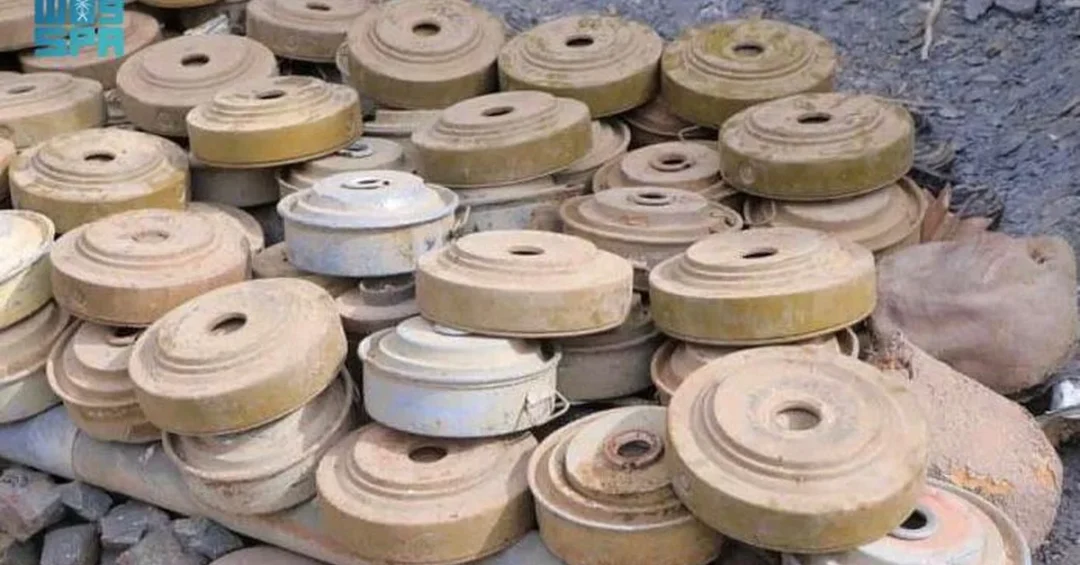
The King Salman Humanitarian Aid and Relief Center (KSrelief) announced that its Masam Project for clearing mines in Yemen dismantled 1,047 mines during the fifth week of August 2024, including four anti-personnel mines, 54 anti-tank mines, 973 unexploded ordnance, and 16 explosive devices. The operation, reported by the Saudi Press Agency, is part of Saudi Arabia’s ongoing efforts to protect Yemeni civilians from the deadly remnants of conflict.
Context and Background
Yemen has been plagued by landmines and unexploded ordnance (UXO) since the outbreak of conflict, with the Houthi militia accused of indiscriminately planting these devices across civilian areas. According to KSrelief, these mines have caused death and injury to innocent children, women, and the elderly, making clearance operations a humanitarian imperative. The Masam Project, launched in 2018, is a Saudi-funded initiative that aims to remove these hidden threats and restore safety to Yemeni communities.
KSrelief, established in 2015, is the Kingdom’s primary humanitarian arm, delivering aid in over 80 countries. Its work in Yemen includes food security, health care, and mine clearance, reflecting Saudi Arabia’s commitment to stabilizing the region and supporting Vision 2030’s goal of becoming a global humanitarian leader.
Key Details
During the fifth week of August 2024 alone, Masam teams dismantled a total of 1,047 mines and explosive devices. The breakdown provided by KSrelief is as follows: four anti-personnel mines, 54 anti-tank mines, 973 unexploded ordnance, and 16 explosive devices. These figures underscore the scale of contamination in Yemen and the relentless pace of clearance efforts.
The Masam Project employs local and international experts who use advanced technology and rigorous safety protocols to locate, neutralize, and destroy explosive hazards. Since its inception, the project has cleared millions of square meters of land, enabling access to schools, hospitals, and farmland. The project also provides risk education to communities, helping civilians recognize and avoid dangerous areas.
Implications and Impact
The clearance of these mines has immediate and long-term implications for Yemen. In the short term, it saves lives and prevents injuries, particularly among vulnerable groups such as children and farmers. In the long term, it facilitates reconstruction and development by making land safe for agriculture, infrastructure, and residential use. This contributes to Yemen’s stability and aligns with Saudi Arabia’s broader efforts to foster peace and prosperity in the region.
Internationally, the Masam Project exemplifies Saudi Arabia’s leadership in humanitarian demining. It complements the Kingdom’s diplomatic initiatives aimed at resolving the Yemeni crisis and reinforces its reputation as a responsible global actor. The project also receives praise from international organizations for its effectiveness and transparency.
Vision 2030 Alignment
Saudi Arabia’s Vision 2030 emphasizes the Kingdom’s role as a humanitarian leader and its commitment to global peace and security. The Masam Project directly supports this vision by protecting civilians, enabling development, and showcasing Saudi Arabia’s capacity to address complex challenges. As KSrelief continues its work, it not only saves lives but also strengthens the bonds between Saudi Arabia and the Yemeni people, paving the way for a brighter future.
20 Questions
Q1. What is the Masam Project?
A1. The Masam Project is a Saudi-funded humanitarian initiative led by KSrelief to clear landmines and unexploded ordnance in Yemen, aiming to protect civilians and restore safe living conditions.
Q2. How many mines were dismantled in the fifth week of August 2024?
A2. A total of 1,047 mines were dismantled, including four anti-personnel mines, 54 anti-tank mines, 973 unexploded ordnance, and 16 explosive devices.
Q3. Who is responsible for planting these mines?
A3. The Houthi militia is accused of indiscriminately planting mines across Yemen, which have caused death and injury to innocent civilians, including children, women, and the elderly.
Q4. When was the Masam Project launched?
A4. The Masam Project was launched in 2018 by KSrelief to address the severe threat of landmines in Yemen and to support humanitarian efforts.
Q5. What types of mines were cleared?
A5. The cleared items included anti-personnel mines, anti-tank mines, unexploded ordnance, and explosive devices, all posing significant risks to civilians.
Q6. How does the Masam Project benefit Yemeni communities?
A6. By clearing mines, the project saves lives, prevents injuries, and enables access to schools, hospitals, and farmland, fostering stability and development.
Q7. What technology does Masam use?
A7. The project employs advanced detection equipment and rigorous safety protocols, with experts using modern techniques to locate and neutralize explosive hazards.
Q8. Is the Masam Project supported internationally?
A8. Yes, the project receives international recognition and praise for its effectiveness and transparency in humanitarian demining.
Q9. How many countries does KSrelief assist?
A9. KSrelief provides aid in over 80 countries, focusing on humanitarian relief, health care, education, and mine clearance.
Q10. What is the link between Masam and Vision 2030?
A10. Masam aligns with Vision 2030 by showcasing Saudi Arabia’s humanitarian leadership and commitment to global peace, security, and sustainable development.
Q11. How does mine clearance contribute to Yemen’s reconstruction?
A11. Clearing mines makes land safe for agriculture, infrastructure, and housing, which is essential for rebuilding Yemen’s economy and society.
Q12. What risks do unexploded ordnance pose?
A12. Unexploded ordnance can detonate unexpectedly, causing severe injuries or death, and hindering access to essential services and livelihoods.
Q13. Does Masam provide education to civilians?
A13. Yes, the project conducts risk education programs to teach communities how to recognize and avoid explosive hazards, reducing accidents.
Q14. How many mines has Masam cleared since its inception?
A14. While exact figures vary, Masam has cleared millions of square meters of land and removed hundreds of thousands of explosive items, significantly reducing casualties.
Q15. Who funds the Masam Project?
A15. The project is fully funded by the Kingdom of Saudi Arabia through KSrelief, reflecting the Kingdom’s commitment to humanitarian aid.
Q16. What areas of Yemen are prioritized?
A16. Masam prioritizes areas with high civilian casualties and critical infrastructure, such as residential areas, schools, hospitals, and agricultural land.
Q17. How can other nations support demining in Yemen?
A17. Nations can contribute funding, expertise, or technology to demining efforts, and support diplomatic initiatives to end the conflict.
Q18. What is KSrelief’s role in Yemen?
A18. KSrelief leads Saudi Arabia’s humanitarian response in Yemen, providing food, healthcare, shelter, and mine clearance to alleviate suffering and promote recovery.
Q19. How does Masam ensure the safety of its workers?
A19. Masam adheres to strict international safety standards, provides specialized training, and equips workers with protective gear and advanced detection tools.
Q20. What is the ultimate goal of the Masam Project?
A20. The ultimate goal is to make Yemen safe from the scourge of landmines, enabling peace, development, and a return to normal life for all Yemenis.
Reader Feedback
We value your thoughts. Please share your feedback on this article.
Your feedback helps us improve our coverage.