


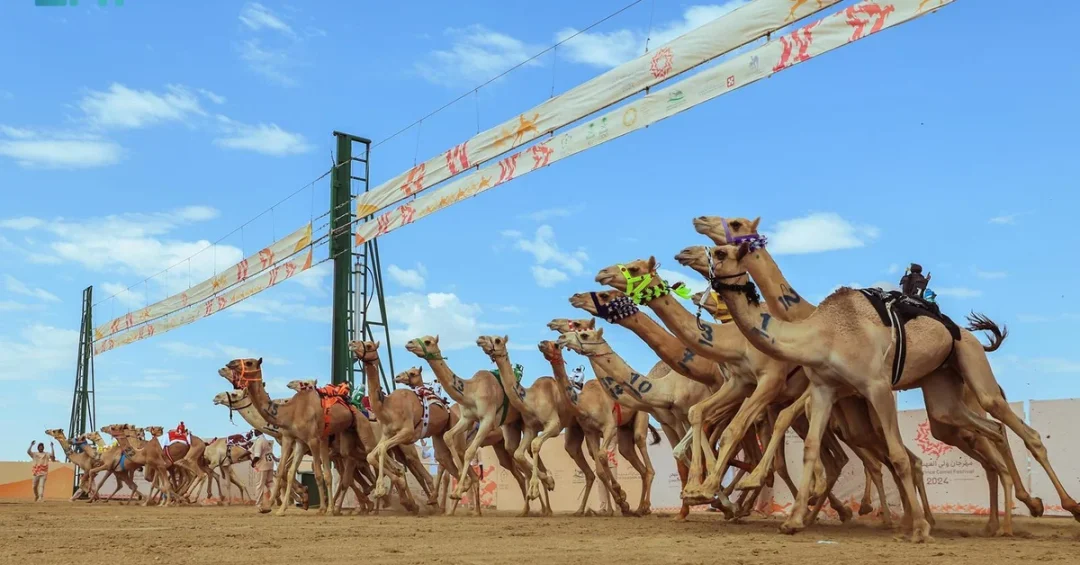
The Crown Prince Camel Festival, currently underway at Taif Camel Square, has generated more than 1,000 jobs for citizens and residents across a wide range of sectors, according to the Saudi Press Agency (SPA). The employment opportunities span media, healthcare, event management, public relations, security, and public services, underscoring the festival’s growing role as an economic engine and a testament to Saudi Arabia’s commitment to preserving its cultural heritage while advancing modern development.
Context and Background
Organized under the patronage of His Royal Highness Crown Prince Mohammed bin Salman, the festival has evolved into one of the world’s largest camel racing events, attracting prominent camel owners and racers from around the globe. Its scale reflects the enduring cultural significance of camels in Saudi society and the leadership’s dedication to promoting this heritage on an international stage. The event also serves as a platform for various public and commercial entities to participate in organizing the races, monitoring camels’ readiness, and conducting workshops for individuals interested in camel-related sports.
The festival’s success is part of a broader effort to develop the camel sector as a viable economic and cultural pillar. Saudi Camel Racing Federation Executive Director Mahmoud Al-Balawi highlighted the substantial support the sector receives from the Saudi leadership, noting that this backing has contributed to generating significant job opportunities and creating unique investment prospects. “The Crown Prince Camel Festival has become one of the world’s largest, drawing the interest of prominent camel owners and racers from around the globe,” Al-Balawi said.
Key Details
The festival has enabled a diverse array of entities to engage in its organization, from government agencies to private companies. This collaboration has not only facilitated the smooth running of the races but also fostered a dynamic environment for skill development and knowledge exchange. Workshops targeting individuals interested in camel-related sports have further contributed to capacity building within the sector.
Job creation has been a notable outcome, with over 1,000 positions filled in areas such as media coverage, on-site healthcare services, event logistics, public relations, security, and general public services. These roles provide income for both Saudi citizens and expatriate residents, reflecting the inclusive nature of the event’s economic impact.
Moreover, the festival has stimulated investment opportunities in related industries, including hospitality, transportation, and retail, as visitors and participants converge on Taif. The influx of attendees has boosted local businesses and highlighted the potential for further commercial development in the region.
Implications and Impact
The Crown Prince Camel Festival’s ability to generate employment and attract investment underscores its significance beyond cultural preservation. It exemplifies how traditional sports can be harnessed to drive economic diversification, a key objective of Saudi Vision 2030. By creating jobs and fostering entrepreneurship, the festival contributes to the Kingdom’s efforts to build a vibrant society and a thriving economy.
On the international stage, the festival enhances Saudi Arabia’s reputation as a destination for world-class events and a custodian of cultural heritage. The participation of global camel owners and racers promotes cross-cultural exchange and positions the Kingdom as a hub for traditional sports tourism. This aligns with the National Transformation Program’s goals to increase tourism’s contribution to the economy and create employment opportunities for citizens.
Vision 2030 Alignment
The Crown Prince Camel Festival directly supports Saudi Vision 2030 by stimulating economic activity, creating jobs, and showcasing the Kingdom’s rich cultural heritage. It reflects the leadership’s commitment to diversifying the economy away from oil, empowering citizens, and attracting international visitors. As the festival continues to grow, it will play an increasingly important role in realizing the vision’s ambitious targets, reinforcing Saudi Arabia’s position as a global leader in preserving tradition while embracing modernity.
20 Questions
Q1. What is the Crown Prince Camel Festival?
A1. The Crown Prince Camel Festival is a major camel racing event held at Taif Camel Square, organized under the patronage of Crown Prince Mohammed bin Salman. It is one of the world’s largest camel racing festivals, attracting participants and spectators from around the globe.
Q2. Where is the festival taking place?
A2. The festival is taking place at Taif Camel Square in Taif, Saudi Arabia. The venue is specifically designed for camel racing and related activities, providing a world-class facility for this traditional sport.
Q3. How many jobs has the festival created?
A3. The festival has created over 1,000 jobs for both citizens and residents. These positions span diverse sectors including media, healthcare, event management, public relations, security, and public services, contributing significantly to local employment.
Q4. What sectors have benefited from the job creation?
A4. Sectors such as media, healthcare, event management, public relations, security, and public services have benefited. Additionally, supporting industries like hospitality, transportation, and retail have seen increased activity due to the influx of visitors and participants.
Q5. Who is Mahmoud Al-Balawi?
A5. Mahmoud Al-Balawi is the Executive Director of the Saudi Camel Racing Federation. He highlighted the substantial support the camel sector receives from the Saudi leadership and noted the festival’s role in generating job opportunities and investment prospects.
Q6. What did Al-Balawi say about the festival?
A6. Al-Balawi stated that the Crown Prince Camel Festival has become one of the world’s largest, drawing interest from prominent camel owners and racers globally. He also emphasized the leadership’s support in creating significant job and investment opportunities in the sector.
Q7. How does the festival support Saudi Vision 2030?
A7. The festival supports Vision 2030 by stimulating economic diversification, creating jobs, and promoting cultural heritage. It contributes to the goals of a vibrant society and thriving economy, aligning with efforts to boost tourism and empower citizens.
Q8. What is the significance of camel racing in Saudi culture?
A8. Camel racing is a traditional sport deeply rooted in Saudi heritage, symbolizing the historical importance of camels in desert life. It reflects the Kingdom’s commitment to preserving cultural traditions while modernizing and sharing them with the world.
Q9. How many participants and attendees are expected?
A9. The festival attracts thousands of participants, including camel owners and racers from around the globe, as well as numerous spectators. The exact number varies, but the event’s growing international reputation draws a substantial crowd.
Q10. What workshops are conducted during the festival?
A10. Workshops are conducted for individuals interested in camel-related sports, covering topics such as camel care, racing techniques, and event management. These workshops aim to build skills and knowledge within the sector.
Q11. How do public and commercial entities participate?
A11. Various public and commercial entities participate by organizing the event, monitoring camels’ readiness for races, and providing services. Their involvement ensures the festival’s smooth operation and enhances its professional standards.
Q12. What investment opportunities does the festival create?
A12. The festival creates investment opportunities in hospitality, transportation, retail, and event-related services. It also stimulates interest in camel breeding, training, and related industries, offering prospects for entrepreneurs and investors.
Q13. How does the festival impact the local economy of Taif?
A13. The festival boosts Taif’s local economy by increasing demand for hotels, restaurants, transportation, and other services. It also generates income for local businesses and creates temporary and permanent jobs for residents.
Q14. What is the role of the Saudi Camel Racing Federation?
A14. The Saudi Camel Racing Federation oversees the organization and regulation of camel racing events, including the Crown Prince Camel Festival. It works to develop the sport, support participants, and promote Saudi heritage internationally.
Q15. How does the festival promote international cultural exchange?
A15. By inviting prominent camel owners and racers from around the world, the festival facilitates cultural exchange and showcases Saudi traditions. It positions the Kingdom as a global hub for traditional sports and heritage tourism.
Q16. What support does the Saudi leadership provide to the camel sector?
A16. The Saudi leadership provides substantial support through funding, infrastructure, and patronage of events like the Crown Prince Camel Festival. This backing helps generate jobs, attract investment, and preserve cultural heritage.
Q17. How does the festival contribute to job diversification?
A17. The festival creates jobs in diverse fields such as media, healthcare, event management, security, and public services. This diversification reduces reliance on traditional sectors and supports a more resilient economy.
Q18. What are the future prospects for the camel sector in Saudi Arabia?
A18. The camel sector is expected to grow further, with increasing investment, job creation, and international recognition. Continued support from the leadership and alignment with Vision 2030 will drive its development as a cultural and economic asset.
Q19. How can individuals get involved in camel-related sports?
A19. Individuals can participate in workshops offered during the festival, join camel racing clubs, or seek employment with event organizers. The Saudi Camel Racing Federation provides resources and guidance for those interested in the sport.
Q20. What makes the Crown Prince Camel Festival one of the world’s largest?
A20. Its massive scale, substantial prize pools, international participation, and strong organizational support make it one of the largest. The festival’s reputation for excellence and cultural authenticity attracts global attention and participation.
Reader Feedback
We value your thoughts. Please share your feedback on this article.
Your feedback helps us improve our coverage.