


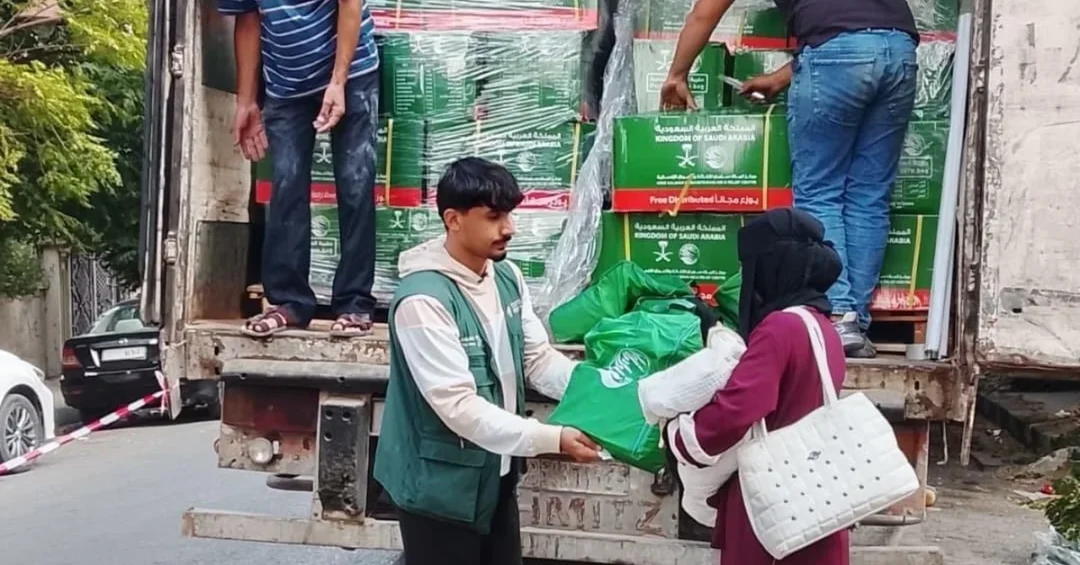
The King Salman Humanitarian Aid and Relief Center (KSrelief) has distributed 2,450 personal care kits in Homs Governorate, Syria, benefiting 2,450 families as part of Saudi Arabia’s ongoing humanitarian aid project for the Syrian people. The distribution, announced by the Saudi Press Agency, forms part of the Kingdom’s wider efforts, delivered through KSrelief, to meet the basic needs of beneficiary families, promote hygiene and preventive practices, and ease the living burdens on those in need while supporting their health and dignity.
Context and Background
KSrelief, established in 2015 under the guidance of the Custodian of the Two Holy Mosques, King Salman bin Abdulaziz Al Saud, serves as Saudi Arabia’s primary humanitarian arm, operating in dozens of countries worldwide. Its mission is to provide rapid, effective relief to communities affected by conflict, disaster, and poverty, regardless of nationality, religion, or ethnicity. The center has earned international recognition for its transparency, coordination with United Nations agencies, and adherence to humanitarian principles.
Syria has been a major focus of KSrelief’s operations since the onset of its crisis. The Kingdom has consistently emphasized its solidarity with the Syrian people, describing them as “brotherly” and prioritizing projects that address urgent needs in food security, healthcare, shelter, education, and water sanitation. The Homs distribution is the latest in a long series of initiatives that reflect this enduring commitment.
Key Details of the Aid Distribution
The 2,450 personal care kits were distributed in Homs Governorate, one of Syria’s most populous and historically significant regions. Each kit contains essential hygiene items designed to help families maintain cleanliness, prevent disease, and uphold personal dignity. The direct beneficiaries are 2,450 families, meaning the aid reaches thousands of individuals, including children, women, and the elderly.
According to the Saudi Press Agency, the distribution is part of a broader Saudi aid project for the Syrian people that aims to meet basic needs and promote hygiene and preventive practices. Such initiatives are implemented in coordination with local authorities and humanitarian partners on the ground to ensure efficient and equitable delivery. KSrelief’s field teams conduct needs assessments and post-distribution monitoring to verify that aid reaches the intended recipients and has the desired impact.
Implications and International Impact
The delivery of personal care kits in Homs exemplifies Saudi Arabia’s continued humanitarian diplomacy and its role as a leading global donor. By addressing hygiene and preventive health, the project helps reduce the risk of waterborne and communicable diseases, which are particularly dangerous in post-conflict and underserved environments. This, in turn, lessens the strain on local health facilities and contributes to the overall well-being of communities.
Internationally, the operation reinforces the Kingdom’s reputation as a reliable and compassionate actor in humanitarian affairs. It also aligns with the United Nations Sustainable Development Goals, particularly those related to good health and well-being, clean water and sanitation, and reduced inequalities. Saudi Arabia’s humanitarian efforts in Syria are frequently cited by international organizations as exemplary in terms of reach, speed, and coordination.
Vision 2030 Alignment
Saudi Arabia’s humanitarian work through KSrelief is a core component of the Kingdom’s Vision 2030, which seeks to strengthen the nation’s global leadership and foster sustainable development at home and abroad. By extending a helping hand to the Syrian people, the Kingdom demonstrates the values of generosity and solidarity that are central to its identity and its vision for a prosperous and stable region. KSrelief’s operations not only alleviate immediate suffering but also build goodwill and long-term partnerships, underscoring Saudi Arabia’s commitment to being a force for peace and humanitarian progress on the world stage.
20 Questions
Q1. What organization distributed the personal care kits in Homs?
A1. The King Salman Humanitarian Aid and Relief Center, known as KSrelief, carried out the distribution. It is Saudi Arabia’s primary humanitarian agency, established in 2015 to provide relief worldwide.
Q2. How many families benefited from the aid distribution in Homs?
A2. A total of 2,450 families benefited from the personal care kits. Each kit was provided to one family, ensuring direct and equitable support to those in need.
Q3. What items were included in the personal care kits?
A3. The kits contained essential hygiene items such as soap, shampoo, toothpaste, toothbrushes, and other personal care products. These are designed to promote cleanliness and prevent disease.
Q4. Where exactly in Syria was the aid distributed?
A4. The distribution took place in Homs Governorate, a central and populous region in Syria. The area has been significantly affected by the prolonged crisis and requires ongoing humanitarian support.
Q5. Why did Saudi Arabia choose to help Syrian families?
A5. Saudi Arabia has a longstanding commitment to supporting the brotherly Syrian people. The aid reflects the Kingdom’s humanitarian values and its desire to alleviate suffering caused by the crisis.
Q6. What is the main goal of the Saudi aid project for Syria?
A6. The project aims to meet the basic needs of beneficiary families, promote hygiene and preventive practices, and ease living burdens. It also seeks to uphold the health and dignity of recipients.
Q7. How does KSrelief ensure aid reaches the right people?
A7. KSrelief coordinates with local authorities and humanitarian partners on the ground. It conducts needs assessments and post-distribution monitoring to verify that aid reaches intended recipients effectively.
Q8. When was KSrelief established and by whom?
A8. KSrelief was established in 2015 under the guidance of the Custodian of the Two Holy Mosques, King Salman bin Abdulaziz Al Saud. It serves as Saudi Arabia’s main humanitarian arm.
Q9. What international principles does KSrelief follow?
A9. KSrelief adheres to humanitarian principles of humanity, neutrality, impartiality, and independence. It provides aid regardless of nationality, religion, or ethnicity, and works closely with UN agencies.
Q10. How does this aid distribution benefit public health in Homs?
A10. By providing hygiene items, the distribution helps reduce the risk of waterborne and communicable diseases. This lessens the strain on local health facilities and improves overall community well-being.
Q11. Is this the first time KSrelief has helped Syria?
A11. No, KSrelief has been active in Syria for many years, delivering food, healthcare, shelter, education, and water sanitation projects. The Homs distribution is part of a long series of initiatives.
Q12. What does the term ‘brotherly Syrian people’ signify?
A12. The term reflects the deep fraternal ties between Saudi Arabia and Syria. It underscores the Kingdom’s solidarity and its view of the Syrian people as brothers in need of support.
Q13. How does this aid align with Vision 2030?
A13. Vision 2030 emphasizes Saudi Arabia’s global leadership and sustainable development. Humanitarian work through KSrelief demonstrates the Kingdom’s generosity and commitment to regional stability and prosperity.
Q14. What role does the Saudi Press Agency play in reporting such aid?
A14. The Saudi Press Agency is the official national news agency. It provides accurate and timely information about government initiatives, including KSrelief’s humanitarian operations, ensuring transparency.
Q15. Are there other countries where KSrelief operates?
A15. Yes, KSrelief operates in dozens of countries across Asia, Africa, the Middle East, and beyond. It responds to crises caused by conflict, natural disasters, and poverty worldwide.
Q16. How many individuals are estimated to benefit from the 2,450 kits?
A16. Assuming an average family size of five, the kits could benefit approximately 12,250 individuals. However, the exact number depends on the actual size of each recipient family.
Q17. What preventive practices does the aid aim to promote?
A17. The aid promotes regular handwashing, personal cleanliness, and safe hygiene habits. These practices are crucial in preventing the spread of infectious diseases in vulnerable communities.
Q18. Does KSrelief collaborate with the United Nations?
A18. Yes, KSrelief partners with various UN agencies and international NGOs. These collaborations enhance coordination, avoid duplication, and ensure aid reaches those most in need efficiently.
Q19. How does this distribution support the dignity of Syrian families?
A19. By providing personal care items, the aid helps families maintain cleanliness and self-respect. This supports their psychological and social well-being, especially in difficult living conditions.
Q20. What message does Saudi Arabia send through this humanitarian aid?
A20. Saudi Arabia reaffirms its role as a compassionate global leader. The aid conveys solidarity, generosity, and a commitment to alleviating suffering, reflecting the Kingdom’s enduring humanitarian values.
Reader Feedback
We value your thoughts. Please share your feedback on this article.
Your feedback helps us improve our coverage.