


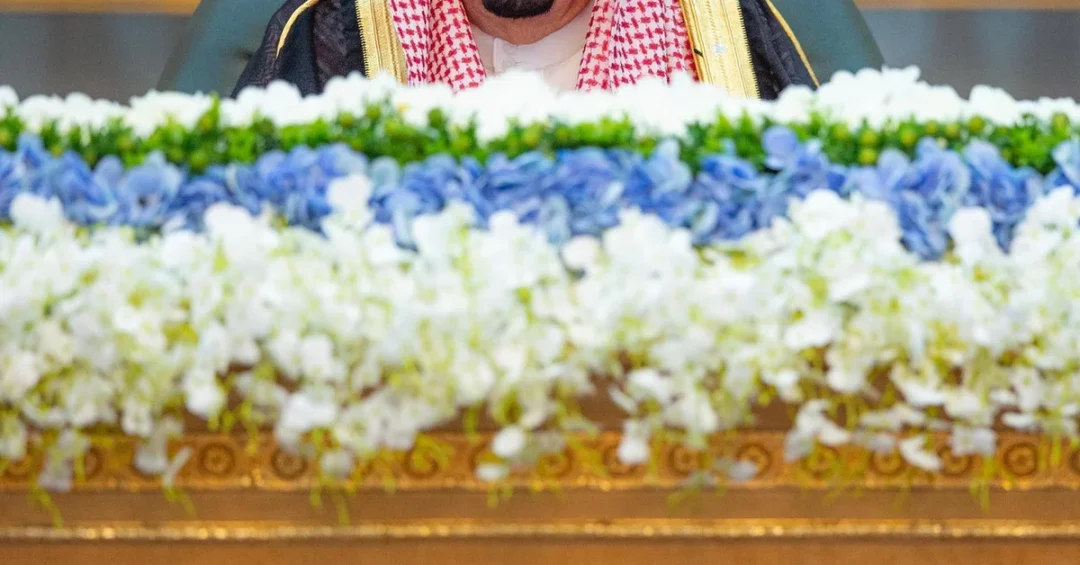
Custodian of the Two Holy Mosques King Salman bin Abdulaziz Al Saud chaired the Cabinet session held in Riyadh on September 3, 2024, where the Council of Ministers reviewed a series of high-level diplomatic engagements and approved multiple international agreements aimed at strengthening global cooperation. The session, reported by the Saudi Press Agency, underscored the Kingdom’s continued commitment to regional stability, multilateral engagement, and domestic development in line with the nation’s long-term strategic goals.
Context and Background
The Cabinet session took place amid intensified regional tensions and growing international calls for diplomatic solutions. The Cabinet was briefed on the phone calls made by His Royal Highness the Crown Prince and Prime Minister with the president of the Arab Republic of Egypt and the president of the Republic of Türkiye. During these calls, the Crown Prince emphasized the Kingdom’s commitment to unifying Arab and Islamic efforts to support the Palestinian people and stressed the need to halt Israeli escalation and violations, reflecting Saudi Arabia’s consistent position on regional peace and justice.
The Cabinet also reviewed the message sent by the Crown Prince to the prime minister of the Kingdom of Tonga and his meeting with the president of the European Council, further demonstrating the Kingdom’s active diplomatic outreach across continents.
Key Details
In a statement to the Saudi Press Agency after the meeting, Minister of Media Salman bin Yousef Al-Dossary said that the Cabinet reviewed the outcomes of several international meetings the Kingdom attended as part of its commitment to increasing cooperation and coordination with brotherly and friendly nations. The Cabinet commended the recent meeting of the Executive Committee of the Saudi-Qatari Coordination Council, which highlighted the two countries’ dedication to strengthening bilateral relations and pursuing shared goals across various sectors.
On the domestic front, the Cabinet deemed the two Royal Decrees reconstituting the Council of Senior Scholars and the Shura Council as further evidence of the Custodian of the Two Holy Mosques’ unwavering support for these institutions and his commitment to selecting highly qualified individuals with diverse expertise to serve religion and the nation.
Al-Dossary also emphasized that the 50th anniversary of the Saudi Fund for Development marks a significant milestone, highlighting the fund’s expanding global role and its contributions to fostering development in less developed and developing countries.
The Cabinet then approved a series of decisions, including: the Judicial Training Center from the Ministry of Justice joining the Euro-Arab Judicial Training Network; an agreement of cooperation between the Ministry of Environment, Water, and Agriculture and the Arab Center for the Studies of Arid Zones and Dry Lands; memoranda of understanding in labor and employment between the Saudi Ministry of Human Resources and Social Development and the Ministry of Employment and Labor of Korea, and between the Saudi ministry and the Ministry of Vocational Training and Employment of Tunisia; a memorandum of understanding for healthcare cooperation between the Saudi and Tunisian ministries of health; authorization for the minister of finance to discuss and sign with the Omani Ministry of Endowments and Religious Affairs a draft memorandum on endowments; authorization for the minister of finance to sign a draft agreement with the Federal Republic of Nigeria on customs cooperation; a memorandum of understanding for technical cooperation in civil aviation between the Saudi General Authority of Civil Aviation and the Latin American Civil Aviation Commission; a memorandum of understanding for legal affairs cooperation between the Saudi Bureau of Experts at the Council of Ministers and the Bahraini Ministry of Legal Affairs; authorization for the chairman of the education and training evaluation commission to sign a draft memorandum with the Arab Administrative Development Organization; and a memorandum of understanding between the Saudi Capital Market Authority and the Central Bank of Bahrain.
Implications and Impact
These agreements and diplomatic engagements signal Saudi Arabia’s deepening ties with countries across Asia, Africa, Europe, and Latin America. The Kingdom’s role as a bridge-builder in the Arab and Islamic world is reaffirmed through its efforts to unify positions on pressing regional issues, particularly the Palestinian cause. The Cabinet’s decisions also reflect Saudi Arabia’s commitment to sharing expertise and fostering cooperation in sectors such as justice, labor, healthcare, civil aviation, and financial markets, which will contribute to sustainable development and mutual prosperity.
Internationally, the Kingdom’s active participation in multilateral forums and its bilateral agreements enhance its standing as a reliable partner in addressing global challenges. The continuation of these partnerships supports the flow of knowledge, investment, and innovation, benefiting both Saudi Arabia and its allies.
Vision 2030 Alignment
The outcomes of this Cabinet session are closely aligned with Saudi Vision 2030, which seeks to diversify the economy, enhance international cooperation, and improve the quality of life for citizens. By forging strategic partnerships and modernizing institutions such as the Council of Senior Scholars and the Shura Council, the Kingdom is reinforcing its governance framework and promoting sustainable development. The 50th anniversary of the Saudi Fund for Development highlights the Kingdom’s humanitarian role and its dedication to global prosperity, further solidifying Saudi Arabia’s position as a leader in regional and international affairs.
20 Questions
Q1. Who chaired the Cabinet session on September 3, 2024?
A1. The session was chaired by the Custodian of the Two Holy Mosques, King Salman bin Abdulaziz Al Saud, in Riyadh, demonstrating his continued leadership and guidance on matters of national and international importance.
Q2. What was the Cabinet briefed on regarding the Crown Prince’s phone calls?
A2. The Cabinet was briefed on calls with the president of Egypt and the president of Türkiye, where the Crown Prince emphasized Saudi Arabia’s commitment to unifying Arab and Islamic efforts to support the Palestinian people and halt Israeli escalation.
Q3. Which international figures did the Crown Prince meet or send messages to?
A3. The Crown Prince sent a message to the prime minister of Tonga and met with the president of the European Council, showcasing Saudi Arabia’s broad diplomatic engagement across different regions.
Q4. What did the Minister of Media say about the Cabinet’s review?
A4. Minister of Media Salman bin Yousef Al-Dossary stated that the Cabinet reviewed outcomes of international meetings aimed at increasing cooperation with friendly nations and advancing multilateral endeavors for progress and prosperity.
Q5. What did the Cabinet commend regarding Saudi-Qatari relations?
A5. The Cabinet commended the recent meeting of the Executive Committee of the Saudi-Qatari Coordination Council, noting it demonstrated both countries’ commitment to strengthening relations and pursuing shared goals across various sectors.
Q6. What milestone of the Saudi Fund for Development was highlighted?
A6. The 50th anniversary of the Saudi Fund for Development was highlighted as a significant milestone, underscoring its expanding global role and contributions to development in less developed and developing countries.
Q7. What Royal Decrees were deemed significant by the Cabinet?
A7. The two Royal Decrees reconstituting the Council of Senior Scholars and the Shura Council were seen as evidence of King Salman’s support for these institutions and his commitment to selecting qualified individuals.
Q8. What decision was made regarding the Judicial Training Center?
A8. The Cabinet approved the Judicial Training Center from the Ministry of Justice joining the Euro-Arab Judicial Training Network, enhancing judicial cooperation and training opportunities.
Q9. What cooperation agreement was approved with the Arab Center for the Studies of Arid Zones and Dry Lands?
A9. An agreement was approved between the Ministry of Environment, Water, and Agriculture and the Arab Center for the Studies of Arid Zones and Dry Lands in the fields of environment, water, and agriculture.
Q10. Which countries have new labor and employment memoranda with Saudi Arabia?
A10. Memoranda of understanding in labor and employment were approved between the Saudi Ministry of Human Resources and Social Development and the Ministry of Employment and Labor of Korea, and with Tunisia’s Ministry of Vocational Training and Employment.
Q11. What healthcare cooperation was approved?
A11. A memorandum of understanding for cooperation in healthcare was approved between the Saudi and Tunisian ministries of health, aimed at improving medical services and knowledge exchange.
Q12. What is the purpose of the authorized memorandum with Oman?
A12. The minister of finance was authorized to discuss and sign a draft memorandum of understanding with the Omani Ministry of Endowments and Religious Affairs in the field of endowments, promoting bilateral cooperation.
Q13. What customs agreement was authorized with Nigeria?
A13. The minister of finance was authorized to sign a draft agreement with the Federal Republic of Nigeria for cooperation and mutual assistance in customs matters, facilitating trade and security.
Q14. What civil aviation cooperation was approved?
A14. A memorandum of understanding for technical cooperation in civil aviation was approved between the Saudi General Authority of Civil Aviation and the Latin American Civil Aviation Commission, enhancing aviation standards and collaboration.
Q15. What legal affairs agreement was approved with Bahrain?
A15. A memorandum of understanding for cooperation in legal affairs was approved between the Saudi Bureau of Experts at the Council of Ministers and the Bahraini Ministry of Legal Affairs, strengthening legal frameworks.
Q16. What educational evaluation cooperation was authorized?
A16. The chairman of the education and training evaluation commission was authorized to discuss and sign a draft memorandum with the Arab Administrative Development Organization concerning cooperation in measurement, evaluation, and accreditation.
Q17. What financial agreement was approved with Bahrain?
A17. A memorandum of understanding was approved between the Saudi Capital Market Authority and the Central Bank of Bahrain, aimed at enhancing cooperation in financial regulation and market development.
Q18. How does the Cabinet session reflect Saudi Arabia’s regional stance?
A18. The session reaffirmed Saudi Arabia’s unwavering support for initiatives promoting security, stability, and sustainable development regionally and globally, and its commitment to unifying Arab and Islamic efforts.
Q19. What does the 50th anniversary of the Saudi Fund for Development signify?
A19. It signifies the fund’s expanding global role, numerous accomplishments, and invaluable contributions to fostering development and prosperity in less developed and developing countries, reflecting Saudi Arabia’s humanitarian commitment.
Q20. How do the Cabinet decisions align with Saudi Vision 2030?
A20. The decisions align with Vision 2030 by promoting international cooperation, strengthening institutions, and fostering sustainable development, all of which support economic diversification and global engagement goals.
Reader Feedback
We value your thoughts. Please share your feedback on this article.
Your feedback helps us improve our coverage.