


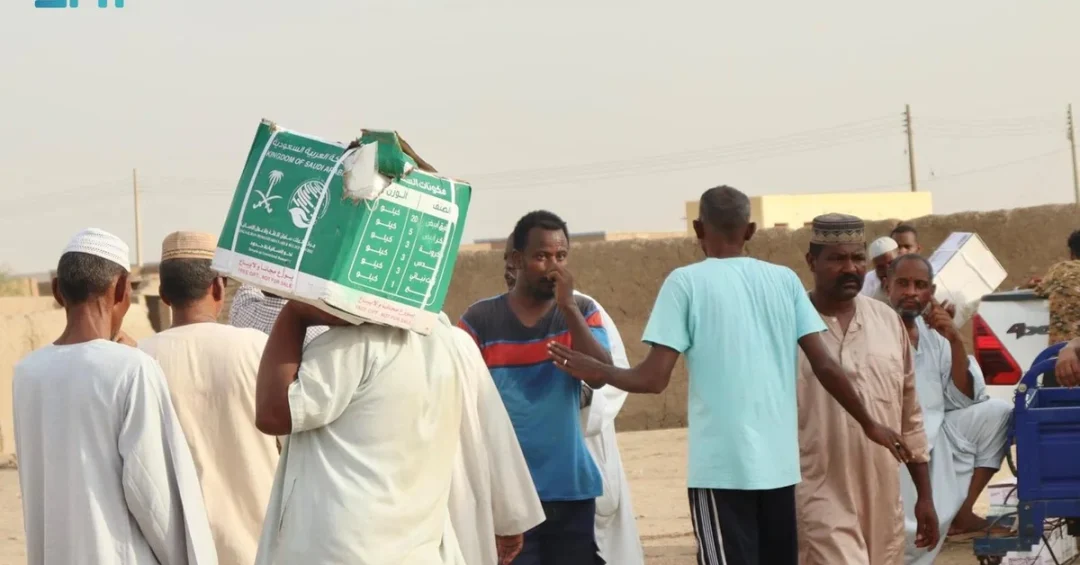
The King Salman Humanitarian Aid and Relief Center (KSrelief) has distributed 670 food baskets in Kassala State, Sudan, benefiting 4,441 families as part of the second phase of this year’s emergency shelter assistance project in Sudan. The distribution, announced by the Saudi Press Agency (SPA) on September 3, 2024, is the latest effort by the Kingdom of Saudi Arabia to alleviate the suffering of Sudanese families affected by ongoing crises.
Context and Background
Sudan has been grappling with a severe humanitarian crisis stemming from conflict, displacement, and economic instability. According to United Nations estimates, over 24 million people require humanitarian assistance, with millions facing acute food insecurity. In response, Saudi Arabia, through KSrelief, has consistently provided aid to Sudan, focusing on food security, shelter, and health care. KSrelief, established in 2015, is a leading humanitarian organization that delivers relief to communities in need worldwide, reflecting the Kingdom’s commitment to global solidarity and its Islamic values of compassion and generosity.
Key Details
The 670 food baskets were distributed in Kassala State, a region hosting a large number of internally displaced persons (IDPs) and refugees. Each basket typically contains essential food items such as rice, flour, oil, sugar, and canned goods, designed to meet the nutritional needs of a family for one month. The distribution is part of the second phase of this year’s emergency shelter assistance project in Sudan, which aims to provide both food and shelter support to vulnerable populations. KSrelief’s efforts in Sudan are carried out in coordination with local authorities and humanitarian partners to ensure aid reaches those most in need. The project is part of the broader humanitarian and relief work that the Kingdom of Saudi Arabia carries out through KSrelief to support numerous countries and populations worldwide that are in need.
Implications and Impact
This distribution directly addresses the immediate food needs of 4,441 families, providing them with a vital lifeline amid challenging circumstances. Beyond the immediate relief, the project contributes to stabilizing communities, reducing malnutrition rates, and supporting recovery efforts. It also underscores Saudi Arabia’s role as a key humanitarian actor in the region and globally. By extending assistance to Sudan, the Kingdom reinforces its diplomatic ties and demonstrates its commitment to regional stability and prosperity. The operation is part of a wider Saudi humanitarian portfolio that spans continents, offering aid to millions affected by conflict, natural disasters, and poverty.
Vision 2030 Alignment
Saudi Arabia’s humanitarian efforts are an integral part of its Vision 2030 framework, which emphasizes the Kingdom’s global role and its commitment to sustainable development and humanitarian values. Through KSrelief, Saudi Arabia continues to extend a helping hand to those in need, enhancing its standing as a responsible global leader and contributing to a more stable and prosperous world.
20 Questions
Q1. What did KSrelief distribute in Kassala State, Sudan?
A1. KSrelief distributed 670 food baskets in Kassala State, Sudan, benefiting 4,441 families as part of the second phase of this year’s emergency shelter assistance project.
Q2. When was the distribution announced?
A2. The distribution was announced by the Saudi Press Agency (SPA) on September 3, 2024.
Q3. Which organization carried out the distribution?
A3. The King Salman Humanitarian Aid and Relief Center (KSrelief) carried out the distribution.
Q4. How many families benefited from the food baskets?
A4. The food baskets benefited 4,441 families in Kassala State.
Q5. What is included in the food baskets?
A5. The food baskets typically contain essential items such as rice, flour, oil, sugar, and canned goods, providing a month’s worth of nutrition for a family.
Q6. What is the second phase of the project?
A6. The second phase is part of this year’s emergency shelter assistance project in Sudan, which provides both food and shelter support to vulnerable populations.
Q7. Why is Kassala State significant in this context?
A7. Kassala State hosts a large number of internally displaced persons and refugees, making it a priority area for humanitarian assistance.
Q8. How does this distribution fit into Saudi Arabia’s broader humanitarian efforts?
A8. It is part of the Kingdom’s ongoing humanitarian and relief work through KSrelief to support countries and populations worldwide that are in need.
Q9. What is the current humanitarian situation in Sudan?
A9. Sudan faces a severe humanitarian crisis with over 24 million people requiring assistance, including millions experiencing acute food insecurity due to conflict and displacement.
Q10. When was KSrelief established?
A10. KSrelief was established in 2015 as a leading humanitarian organization to deliver relief worldwide.
Q11. How does this project align with Vision 2030?
A11. The project aligns with Vision 2030 by showcasing Saudi Arabia’s global role and commitment to humanitarian values and sustainable development.
Q12. Who does KSrelief coordinate with for such distributions?
A12. KSrelief coordinates with local authorities and humanitarian partners to ensure aid reaches those most in need.
Q13. What is the primary goal of the emergency shelter assistance project?
A13. The project aims to provide food and shelter support to vulnerable populations affected by crises in Sudan.
Q14. How many phases does the project have?
A14. The project has multiple phases; this distribution is part of the second phase of this year’s project.
Q15. What impact does the distribution have on the community?
A15. It addresses immediate food needs, helps stabilize communities, reduces malnutrition, and supports recovery efforts.
Q16. Is this aid part of a larger Saudi initiative?
A16. Yes, it is part of Saudi Arabia’s broader humanitarian portfolio delivered through KSrelief, spanning continents and aiding millions.
Q17. How does this reflect Saudi Arabia’s foreign policy?
A17. It reinforces Saudi Arabia’s diplomatic ties and demonstrates its commitment to regional stability and global solidarity.
Q18. What are the key values behind Saudi Arabia’s humanitarian work?
A18. The work reflects Islamic values of compassion and generosity, as well as a commitment to global solidarity and helping those in need.
Q19. Are there any other countries benefiting from similar aid?
A19. Yes, KSrelief supports numerous countries and populations worldwide, providing aid to those affected by conflict, disasters, and poverty.
Q20. What is the expected outcome of this distribution?
A20. The expected outcome is to provide immediate relief to 4,441 families, contributing to their well-being and supporting broader recovery and stability in the region.
Reader Feedback
We value your thoughts. Please share your feedback on this article.
Your feedback helps us improve our coverage.