


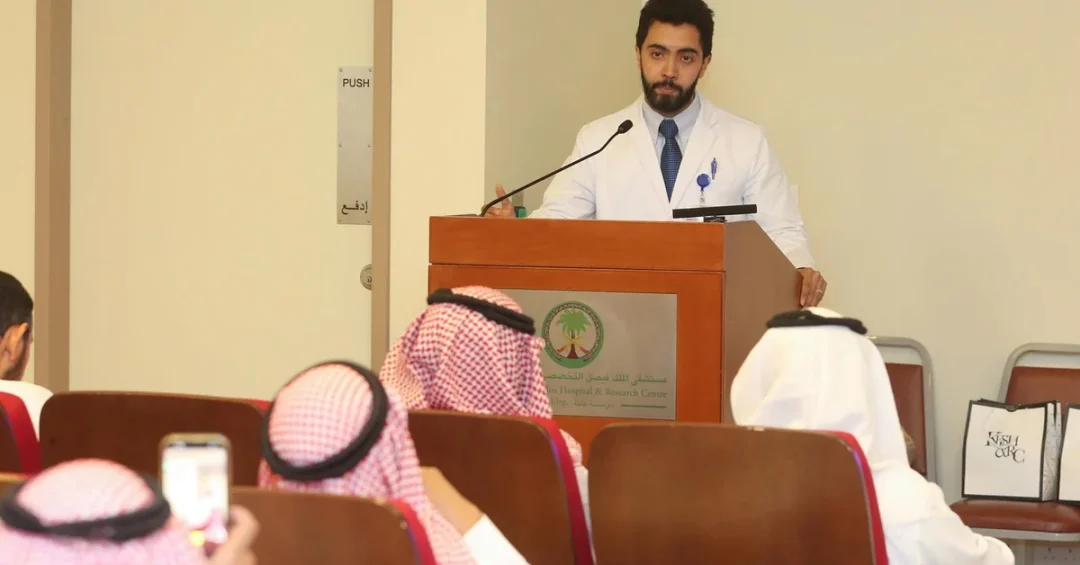
King Faisal Specialist Hospital and Research Centre (KFSHRC) held an educational event on Tuesday at the King Abdullah Centre for Oncology and Liver Disease in Riyadh to raise awareness about lymphoma, emphasizing the importance of early detection and effective treatment strategies. The event is part of KFSHRC’s ongoing educational initiatives tied to World Lymphoma Awareness Day, observed annually on September 15, and aimed to empower patients to actively participate in their healthcare journey while fostering collaboration among medical professionals in treating lymphoma cases.
Context and Background
Lymphoma is a type of cancer that originates in the lymphatic system, a critical component of the immune system that defends the body against infections and diseases. The lymphatic system comprises an intricate network of vessels and lymph nodes distributed throughout the body. It is responsible for filtering lymphatic fluid and eliminating harmful substances, thus playing a vital role in maintaining overall health. According to the Saudi Press Agency (SPA), KFSHRC organized this event to shed light on lymphoma, its types, symptoms, and treatment options, as part of its commitment to patient education and community health.
The event aligns with KFSHRC’s broader mission to advance healthcare in Saudi Arabia and beyond. As a leading academic medical center, KFSHRC has consistently been at the forefront of medical innovation and patient care. The hospital’s educational initiatives are designed to bridge the gap between medical expertise and public understanding, ensuring that patients and their families are well-informed about diseases like lymphoma.
Key Details
During the event, leading experts from KFSHRC delivered presentations on various aspects of lymphoma, including its types, symptoms, and the latest treatment approaches. Patients also shared their personal experiences, from diagnosis to treatment, providing the audience with a deeper understanding of the challenges of living with lymphoma. Attendees had the opportunity to ask questions and receive answers from specialists, facilitating an interactive and supportive environment.
KFSHRC’s commitment to excellence is reflected in its recent accolades. For the second consecutive year, it has been ranked first in the Middle East and Africa and 20th globally among the world’s top 250 Academic Medical Centers. Additionally, it is recognized as the most valuable healthcare brand in the Kingdom and the Middle East in the 2024 Brand Finance rankings. In 2024, it was also ranked among the world’s best 250 hospitals by Newsweek magazine.
Implications and Impact
This event underscores KFSHRC’s role as a leader in healthcare education and patient empowerment in Saudi Arabia. By raising awareness about lymphoma, KFSHRC aims to improve early detection rates and treatment outcomes, ultimately contributing to better public health. The event also fosters collaboration among healthcare professionals, encouraging a multidisciplinary approach to cancer care.
On a broader scale, such initiatives align with the Kingdom’s Vision 2030 goals, which prioritize a robust healthcare system and improved quality of life for all citizens. By enhancing health literacy and promoting preventive care, KFSHRC is helping to build a healthier society and reduce the burden of non-communicable diseases.
Vision 2030 Alignment
KFSHRC’s lymphoma awareness event is a testament to Saudi Arabia’s dedication to healthcare excellence and innovation, key pillars of Vision 2030. As the Kingdom continues to transform its healthcare sector, initiatives like this play a crucial role in educating the public, supporting patients, and advancing medical research. Through such efforts, Saudi Arabia is not only improving domestic health outcomes but also setting a benchmark for healthcare quality in the region and beyond.
20 Questions
Q1. What is lymphoma?
A1. Lymphoma is a cancer of the lymphatic system, which is part of the body’s immune system. It occurs when lymphocytes, a type of white blood cell, grow uncontrollably. There are two main types: Hodgkin lymphoma and non-Hodgkin lymphoma.
Q2. What are the common symptoms of lymphoma?
A2. Common symptoms include painless swelling of lymph nodes in the neck, armpits, or groin, persistent fatigue, fever, night sweats, unexplained weight loss, and itching. Symptoms can vary depending on the type and stage of lymphoma.
Q3. Why is early detection of lymphoma important?
A3. Early detection significantly improves treatment outcomes and survival rates. It allows for timely intervention, potentially less aggressive treatment, and a better chance of achieving remission. Regular check-ups and awareness of symptoms are key.
Q4. How is lymphoma diagnosed?
A4. Diagnosis typically involves a physical exam, blood tests, imaging studies (such as CT, PET, or MRI scans), and a biopsy of an enlarged lymph node. A biopsy is the definitive test to confirm lymphoma and determine its type.
Q5. What treatment options are available for lymphoma?
A5. Treatment depends on the type and stage but may include chemotherapy, radiation therapy, immunotherapy, targeted therapy, and stem cell transplantation. A multidisciplinary team approach is often used to tailor treatment to the patient.
Q6. What role does KFSHRC play in lymphoma care?
A6. KFSHRC provides comprehensive care for lymphoma patients, including diagnosis, treatment, and support services. It also conducts research and educational events to raise awareness and improve outcomes, leveraging its expertise as a leading academic medical center.
Q7. What was the purpose of the KFSHRC lymphoma awareness event?
A7. The event aimed to educate the public about lymphoma, emphasize early detection, and share treatment strategies. It also provided a platform for patients to share experiences and for experts to answer questions, fostering a supportive community.
Q8. When is World Lymphoma Awareness Day observed?
A8. World Lymphoma Awareness Day is observed annually on September 15. It is a global initiative to raise awareness about lymphoma and its impact on patients and families, and to promote early diagnosis and treatment.
Q9. Who can be affected by lymphoma?
A9. Lymphoma can affect people of all ages, but the risk increases with age. It is more common in adults, particularly those over 60, but can also occur in children and young adults. Both men and women are affected.
Q10. Is lymphoma preventable?
A10. There is no sure way to prevent lymphoma, but maintaining a healthy lifestyle, avoiding known risk factors (such as certain infections and immune disorders), and regular medical check-ups may help reduce risk. Early detection remains crucial.
Q11. What support services does KFSHRC offer for lymphoma patients?
A11. KFSHRC offers a range of support services, including counseling, nutritional guidance, pain management, and palliative care. These services aim to address the physical and emotional needs of patients and their families throughout the treatment journey.
Q12. How does KFSHRC’s ranking impact its lymphoma care?
A12. KFSHRC’s high rankings reflect its commitment to excellence in patient care, research, and education. This translates into access to advanced treatments, clinical trials, and a multidisciplinary team, ensuring lymphoma patients receive world-class care.
Q13. What are the types of lymphoma?
A13. The two main types are Hodgkin lymphoma and non-Hodgkin lymphoma. Hodgkin lymphoma is characterized by the presence of Reed-Sternberg cells, while non-Hodgkin lymphoma includes a diverse group of cancers that can be further classified into subtypes.
Q14. How does the lymphatic system work?
A14. The lymphatic system consists of lymph vessels, lymph nodes, and organs like the spleen and thymus. It transports lymph fluid, which contains white blood cells, and helps remove toxins and waste. It plays a key role in immune defense.
Q15. Can lymphoma be cured?
A15. Many types of lymphoma, especially Hodgkin lymphoma, are highly curable, particularly when detected early. Treatment success rates vary by type and stage, but advances in therapy have significantly improved outcomes for many patients.
Q16. What should I do if I suspect I have lymphoma?
A16. If you experience persistent symptoms such as swollen lymph nodes, fever, or weight loss, consult a healthcare professional promptly. Early evaluation by a specialist can lead to timely diagnosis and treatment, improving prognosis.
Q17. How does KFSHRC contribute to lymphoma research?
A17. KFSHRC conducts clinical trials and research studies to advance lymphoma treatment and understanding. Its status as a leading academic medical center enables it to participate in cutting-edge research and offer innovative therapies to patients.
Q18. What is the significance of patient stories at the event?
A18. Patient stories provide real-life insights into the challenges and triumphs of living with lymphoma. They humanize the disease, inspire hope, and foster a sense of community among patients, caregivers, and healthcare providers.
Q19. How can the public support lymphoma awareness?
A19. The public can support awareness by educating themselves and others, participating in events like KFSHRC’s, sharing accurate information, and supporting organizations that fund research and patient services. Awareness leads to early detection and better outcomes.
Q20. What is the connection between lymphoma awareness and Vision 2030?
A20. Vision 2030 aims to enhance healthcare quality and quality of life. Lymphoma awareness events contribute by promoting early detection, patient education, and advanced care, aligning with the vision’s goals of a healthier society and a robust healthcare system.
Reader Feedback
We value your thoughts. Please share your feedback on this article.
Your feedback helps us improve our coverage.