


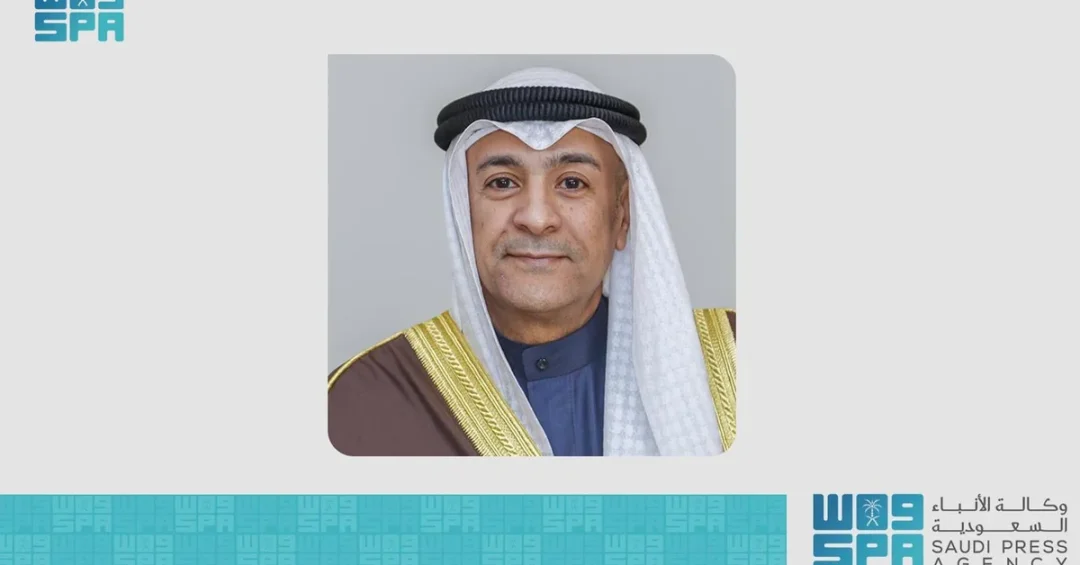
The Gulf Cooperation Council (GCC) is intensifying efforts to create decent job opportunities for its citizens and equip them with the skills needed to compete in the private sector, according to Jasem Mohamed Abudaiwi, Secretary General of the GCC. Speaking at the tenth meeting of the Ministers of Labour of the GCC member states, held in Doha, Qatar, on September 4, 2024, Abudaiwi emphasized that member states are continually implementing programs to prepare citizens for suitable employment, making them the preferred choice for private sector employers over expatriate labor. The meeting, chaired by Dr. Ali bin Samikh Al Marri, Qatar’s Minister of Labour and current session president, brought together labour ministers from across the Council to discuss strategies for enhancing the GCC labor sector.
Context and Background
The GCC, comprising Bahrain, Kuwait, Oman, Qatar, Saudi Arabia, and the United Arab Emirates, has long prioritized the economic integration of its member states. The labour ministers’ meeting is part of ongoing efforts to advance the GCC Common Market, which aims to facilitate the free movement of goods, services, capital, and labor among member states. In recent years, the Council has focused on localization policies, known as GCCization, to increase citizen participation in the private sector. This aligns with the broader development visions of each member state, such as Saudi Arabia’s Vision 2030, which seeks to diversify the economy and empower nationals.
Secretary General Abudaiwi expressed gratitude to Shaikh Tamim bin Hamad Al Thani, Amir of Qatar and President of the current session of the Supreme Council, and to the leaders of member states for their unwavering support of joint GCC work. He noted that their directives have driven significant successes across economic, social, and political fields, as reflected in international indices. For instance, GCC states have made remarkable progress in the World Competitiveness Index 2023 and rank among the top thirty countries in the Youth Progress Index out of 150 nations.
Key Details
During the meeting, ministers discussed several critical topics, including the implementation of Supreme Council decisions to complete the pathways of the GCC Common Market in the private sector. They also reviewed the GCC Joint Labor Strategy 2024–2030, which outlines a roadmap for enhancing labor market efficiency and citizen employment. A key focus was the inclusion of GCC citizens in localization rates, ensuring that nationals are prioritized for jobs across member states. The ministers approved recommendations from expert teams, international relations groups, and joint working groups regarding strategic initiatives, leading experiences, and international cooperation.
Abudaiwi highlighted that young people in GCC member states represent 24.6% of the workforce-age population, totaling more than 13 million young men and women. He described this as a tremendous human potential that must be properly invested in to drive development and sustainability. “This can be achieved by providing all necessary resources and educational and training programs, enabling them to take on their significant responsibilities in the future,” he said. The Secretary General stressed the importance of equipping youth with the skills and competencies to become the preferred choice for private sector employers.
Implications and Impact
The outcomes of this meeting have far-reaching implications for the region and beyond. By enhancing the employability of GCC citizens, member states aim to reduce dependence on expatriate labor and build a more sustainable workforce. This shift is expected to boost economic diversification, foster innovation, and create a more dynamic private sector. For international investors and businesses, a skilled local workforce presents new opportunities for collaboration and growth. Moreover, the GCC’s efforts to integrate labor markets align with global trends toward localization and upskilling, positioning the region as a competitive player in the global economy.
The meeting also underscores the GCC’s commitment to international cooperation, as ministers approved recommendations on strategic initiatives and leading experiences. This collaborative approach not only strengthens ties among member states but also enhances the GCC’s standing in international indices, such as the World Competitiveness Index and the Youth Progress Index. As the GCC continues to implement its joint labor strategy for 2024–2030, it is expected to set a benchmark for regional integration and youth empowerment.
Vision 2030 Alignment
The GCC’s focus on job creation and skills development resonates strongly with Saudi Arabia’s Vision 2030, which aims to increase women’s participation in the workforce, boost SME growth, and reduce unemployment. Under the leadership of Crown Prince Mohammed bin Salman, Saudi Arabia has launched numerous initiatives to train and employ nationals, such as the Human Capability Development Program. These efforts are part of a broader GCC strategy to invest in human capital, ensuring that the region’s youth are prepared to drive economic diversification and sustainability. As the GCC moves forward with its joint labor strategy, it exemplifies the collaborative spirit that will define the future of the Gulf, creating a prosperous and inclusive environment for all citizens.
20 Questions
Q1. What was the main focus of the tenth meeting of the GCC Ministers of Labour?
A1. The meeting focused on creating decent job opportunities for GCC citizens and preparing them with the necessary skills to compete in the private sector, including discussions on the GCC Common Market and the joint labor strategy for 2024–2030.
Q2. Who chaired the tenth meeting of the GCC Ministers of Labour?
A2. The meeting was chaired by Dr. Ali bin Samikh Al Marri, Qatar’s Minister of Labour and current session president. It was held in Doha, Qatar, on September 4, 2024.
Q3. What did Secretary General Jasem Mohamed Abudaiwi emphasize regarding GCC citizens?
A3. He emphasized that member states are continually working to implement programs that offer decent jobs and prepare citizens with skills to make them the preferred choice for private sector employers over expatriate labor.
Q4. How do young people in GCC states contribute to the workforce?
A4. Young people represent 24.6% of the workforce-age population, totaling over 13 million. This demographic represents a tremendous human potential that must be invested in for development and sustainability.
Q5. What international indices were mentioned by Abudaiwi?
A5. He mentioned the World Competitiveness Index for 2023, where GCC states made remarkable progress, and the Youth Progress Index, where member states rank among the top thirty out of 150 countries.
Q6. What is the GCC Joint Labor Strategy 2024–2030?
A6. It is a strategic framework discussed at the meeting to enhance labor market efficiency, citizen employment, and localization rates across GCC member states, guiding joint efforts through 2030.
Q7. Why is the inclusion of GCC citizens in localization rates important?
A7. Including GCC citizens in localization rates ensures that nationals are prioritized for jobs, reducing reliance on expatriate labor and promoting sustainable economic development in the region.
Q8. What role do educational and training programs play in the GCC’s strategy?
A8. They provide citizens with the necessary skills and competencies to obtain suitable jobs, making them more competitive and enabling them to contribute effectively to building their countries and communities.
Q9. How does the GCC Common Market relate to labor issues?
A9. The GCC Common Market aims to facilitate free movement of goods, services, capital, and labor among member states, enhancing economic integration and creating more job opportunities for citizens.
Q10. What was the outcome of the ministers’ discussions?
A10. The ministers approved recommendations from expert teams, international relations groups, and joint working groups regarding strategic initiatives, leading experiences, and international cooperation in the labor sector.
Q11. How do GCC efforts align with Saudi Arabia’s Vision 2030?
A11. They align through a shared focus on human capital development, youth empowerment, and economic diversification, supporting Vision 2030 goals like increasing workforce participation and reducing unemployment.
Q12. What did Abudaiwi say about the directives of GCC leaders?
A12. He noted that the directives of the leaders have had a profound impact on advancing joint GCC work, resulting in significant successes in economic, social, and political fields over the past years.
Q13. How many young men and women are in the GCC workforce-age population?
A13. More than 13 million young men and women, representing 24.6% of the workforce-age population across GCC member states, according to Secretary General Abudaiwi.
Q14. What topics were discussed regarding the private sector?
A14. The ministers discussed the completion of the GCC Common Market pathways in the private sector and the inclusion of GCC citizens in localization rates to enhance citizen employment.
Q15. Why is investing in youth crucial for the GCC?
A15. Investing in youth is crucial for driving development and sustainability, as they will take on significant responsibilities in the future, including joining the workforce and contributing to nation-building.
Q16. What international cooperation efforts were approved at the meeting?
A16. Recommendations on international relations and joint working groups were approved, focusing on strategic initiatives, leading experiences, and cooperation with international partners in labor matters.
Q17. How do GCC states perform in the World Competitiveness Index?
A17. GCC member states have made remarkable progress in their rankings in the World Competitiveness Index for 2023, reflecting the success of their strategic solutions and initiatives.
Q18. What is the significance of the Youth Progress Index ranking?
A18. The ranking of GCC states among the top thirty out of 150 countries in the Youth Progress Index confirms the effectiveness of their development plans and youth-focused initiatives.
Q19. How does the GCC plan to enhance the skills of its citizens?
A19. Through comprehensive educational and training programs, resource allocation, and strategic initiatives aimed at equipping citizens with competencies needed to excel in the private sector and beyond.
Q20. What is the overall goal of the GCC’s labor initiatives?
A20. The overall goal is to create a sustainable, skilled workforce of GCC citizens who are the preferred choice for employers, driving economic growth and development in line with the region’s long-term visions.
Reader Feedback
We value your thoughts. Please share your feedback on this article.
Your feedback helps us improve our coverage.