


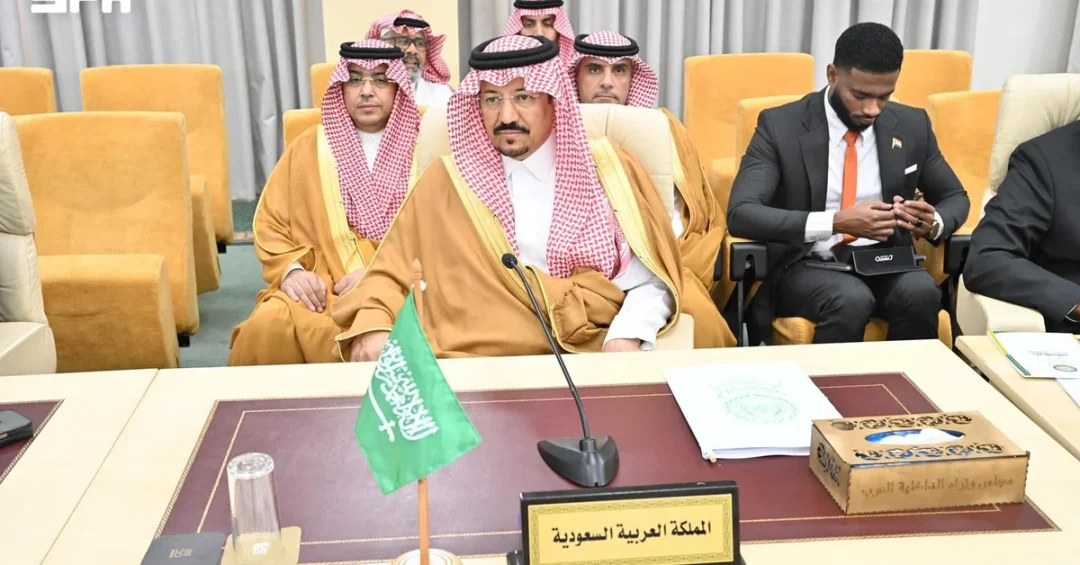
The 22nd Arab Conference of Heads of Traffic Services commenced in Tunis, bringing together traffic authorities from across the Arab world to enhance road safety and reduce traffic accidents. The two-day event, held at the headquarters of the General Secretariat of the Council of Arab Interior Ministers, features participation from heads of traffic authorities and their representatives from Arab countries, as well as representatives from Naif Arab University for Security Sciences. The Kingdom of Saudi Arabia’s delegation is led by Major General Engineer Ali bin Mohsen Al-Zahrani, Head of the General Directorate of Traffic, underscoring Saudi Arabia’s active role in regional efforts to improve traffic safety and save lives.
Context and Background
The Arab Conference of Heads of Traffic Services is a key platform for Arab nations to coordinate policies and share best practices in traffic management and road safety. Organized by the Council of Arab Interior Ministers, the conference addresses common challenges such as rising accident rates, road infrastructure deficiencies, and driver behavior. This year’s gathering in Tunis reflects a renewed commitment to tackling these issues through collective action and strategic planning. Saudi Arabia’s participation aligns with its broader efforts to enhance quality of life and public safety, both domestically and within the Arab region.
Key Details
In his opening address, Mohammed bin Ali Koman, Secretary-General of the Arab Interior Ministers Council, emphasized the urgent need to intensify efforts to reduce traffic accidents. He highlighted the importance of raising awareness among road users about adherence to traffic rules, as well as addressing other factors including road defects and vehicle conditions. Koman stressed the importance of leveraging the strengths of awareness materials produced across Arab countries and drawing inspiration from creative ideas and approaches throughout the Arab world. The conference agenda includes discussions on innovative technologies, data sharing, and harmonizing traffic regulations to enhance road safety across the region.
Implications and Impact
The outcomes of this conference are expected to influence traffic policies and safety standards in participating countries, potentially leading to a significant reduction in road fatalities and injuries. By fostering collaboration and knowledge exchange, the conference aims to create a unified approach to traffic safety that can be adapted to each nation’s unique context. For Saudi Arabia, active involvement in such regional initiatives reinforces its leadership in public safety and its commitment to international cooperation. Improved traffic safety also supports economic growth by reducing the burden on healthcare systems and increasing productivity.
Vision 2030 Alignment
Saudi Arabia’s participation in the 22nd Arab Conference of Heads of Traffic Services is a clear reflection of its Vision 2030 goals to enhance quality of life and build a safer, more efficient society. By sharing expertise and adopting best practices, the Kingdom continues to advance its traffic safety strategies, which are essential for sustainable urban development and the well-being of its citizens. This engagement underscores Saudi Arabia’s dedication to regional stability and prosperity, demonstrating its leadership in creating a safer future for all.
20 Questions
Q1. What is the 22nd Arab Conference of Heads of Traffic Services?
A1. It is a two-day conference held in Tunis, bringing together traffic authorities from Arab countries to discuss road safety and reduce traffic accidents. The event is organized by the General Secretariat of the Council of Arab Interior Ministers.
Q2. Who is leading Saudi Arabia’s delegation to the conference?
A2. The Kingdom’s delegation is led by Major General Engineer Ali bin Mohsen Al-Zahrani, Head of the General Directorate of Traffic. His leadership highlights Saudi Arabia’s active role in regional traffic safety efforts.
Q3. Where is the conference taking place?
A3. The conference is taking place at the headquarters of the General Secretariat of the Council of Arab Interior Ministers in Tunis. Tunis serves as the host city for this important regional gathering.
Q4. How long does the conference last?
A4. The conference spans two days, allowing participants to engage in thorough discussions and workshops. This duration facilitates comprehensive dialogue on traffic safety challenges and solutions.
Q5. Who else is participating in the conference?
A5. Participants include heads of traffic authorities and their representatives from Arab countries, as well as representatives from Naif Arab University for Security Sciences. This diverse participation enriches the exchange of ideas.
Q6. What was the key message of the opening address?
A6. Mohammed bin Ali Koman, Secretary-General of the Arab Interior Ministers Council, emphasized the need to intensify efforts to reduce traffic accidents. He highlighted raising awareness and addressing road defects and vehicle conditions.
Q7. Why is raising awareness important in traffic safety?
A7. Raising awareness among road users about adhering to traffic rules is crucial to preventing accidents. It empowers individuals to make safer choices and fosters a culture of responsibility on the roads.
Q8. What role does Naif Arab University for Security Sciences play?
A8. Naif Arab University for Security Sciences contributes expertise in security and traffic safety research. Its participation supports evidence-based approaches to reducing accidents and improving road safety.
Q9. How can creative ideas from Arab countries help?
A9. Creative ideas and approaches can lead to innovative solutions tailored to regional contexts. Sharing these ideas helps countries adopt effective strategies quickly and efficiently.
Q10. What are some factors contributing to traffic accidents?
A10. Factors include road defects, vehicle conditions, and human error such as non-compliance with traffic rules. Addressing these comprehensively is essential for reducing accident rates.
Q11. What is the expected outcome of the conference?
A11. The conference aims to produce recommendations and strategies for reducing traffic accidents. These outcomes will guide participating countries in enhancing their traffic safety policies.
Q12. How does Saudi Arabia benefit from participating?
A12. Saudi Arabia gains insights into best practices and shares its own experiences, enhancing its traffic safety strategies. This aligns with Vision 2030 goals for improved quality of life.
Q13. What is the significance of the conference being held in Tunis?
A13. Tunis provides a neutral and central location for Arab nations to convene. It symbolizes regional unity and cooperation in addressing common challenges like traffic safety.
Q14. How does traffic safety relate to economic growth?
A14. Improved traffic safety reduces healthcare costs and productivity losses from accidents. This fosters a healthier workforce and supports sustainable economic development.
Q15. What are some innovative technologies discussed?
A15. Discussions include smart traffic systems, data analytics, and vehicle safety technologies. These tools can enhance enforcement, monitoring, and accident prevention across the region.
Q16. How can countries harmonize traffic regulations?
A16. By sharing best practices and developing common standards, countries can harmonize regulations. This facilitates smoother cross-border traffic and improves overall safety.
Q17. What is the role of the Council of Arab Interior Ministers?
A17. The Council organizes and facilitates the conference, promoting cooperation among Arab countries. It drives regional initiatives to enhance security and safety, including traffic management.
Q18. How does Saudi Arabia’s Vision 2030 align with traffic safety?
A18. Vision 2030 aims to improve quality of life and build safe, sustainable communities. Enhanced traffic safety is integral to achieving these goals, ensuring well-being for all citizens.
Q19. What are the next steps after the conference?
A19. Participating countries will implement recommendations and share progress in future meetings. Continued collaboration will ensure sustained improvements in road safety.
Q20. How can the public contribute to traffic safety?
A20. The public can adhere to traffic rules, stay informed, and promote safe driving behaviors. Community engagement is vital for creating a culture of safety on the roads.
Reader Feedback
We value your thoughts. Please share your feedback on this article.
Your feedback helps us improve our coverage.