


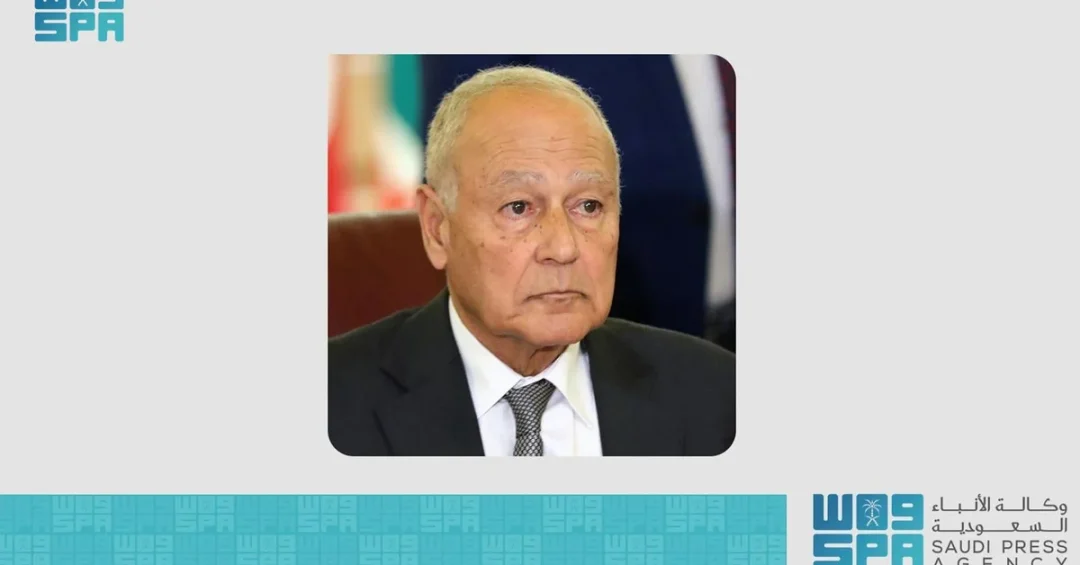
Arab League Secretary-General Ahmed Aboul Gheit has reiterated Egypt’s firm rejection of any Israeli military presence in the Philadelphi Corridor, accusing Israeli Prime Minister Benjamin Netanyahu of using accusations against Egypt as a smokescreen to prolong the conflict for personal and political gains. The statement, released via the Saudi Press Agency (SPA), underscores a unified Arab stance against any reimposition of occupation on the Gaza Strip and highlights Egypt’s critical role in regional mediation.
Context and Background
The Philadelphi Corridor, a narrow strip of land along the Gaza-Egypt border, has been a point of contention in ceasefire negotiations between Israel and Hamas. Egypt has historically mediated truces and maintained security in the area under the 1979 Egypt-Israel peace treaty. Recent Israeli suggestions of a military presence there have raised concerns in Cairo and across the Arab world about undermining Egypt’s sovereignty and mediation efforts.
Aboul Gheit’s remarks come amid stalled ceasefire talks, with Netanyahu reportedly insisting on controlling the corridor to prevent arms smuggling—a claim Egypt denies. The Arab League, comprising 22 member states, has consistently supported a two-state solution and Palestinian rights, with Saudi Arabia playing a pivotal role in advocating for regional stability.
Key Details
In his statement, Aboul Gheit criticized Netanyahu for allegedly using false accusations against Egypt to justify extending the conflict. He emphasized that Egypt’s opposition to any Israeli presence in the Philadelphi Corridor is backed by the Arab world and aims to prevent the reoccupation of Gaza. The Secretary-General warned that such actions could jeopardize Egypt’s crucial mediating role and obstruct ceasefire efforts.
Aboul Gheit renewed calls for the international community to pressure Israel into reaching a ceasefire agreement without delay. He asserted that Israel’s arguments lack credibility and that Netanyahu is deliberately hindering peace. The statement reflects broader Arab solidarity, with Saudi Arabia and other nations urging de-escalation and humanitarian access to Gaza.
Implications and Impact
The rejection of an Israeli presence in the Philadelphi Corridor has significant implications for regional diplomacy. Egypt’s role as a mediator is vital for any sustainable ceasefire, and undermining it could lead to further instability. The Arab League’s stance reinforces the need for international intervention to uphold agreements and prevent unilateral actions that violate international law.
For Saudi Arabia, this development aligns with its consistent support for Palestinian rights and its diplomatic efforts to promote peace in the Middle East. The Kingdom has long advocated for a just resolution to the Palestinian issue, emphasizing dialogue and adherence to UN resolutions. Stability in Gaza is also crucial for broader regional security and economic integration, including projects linked to Saudi Vision 2030.
Vision 2030 Alignment
Saudi Arabia’s Vision 2030 seeks to diversify the economy and enhance regional cooperation, which requires a stable and peaceful Middle East. By supporting Egypt’s mediation and the Arab League’s position, the Kingdom reinforces its commitment to diplomatic solutions and humanitarian principles. A ceasefire in Gaza would pave the way for reconstruction and economic development, aligning with Vision 2030’s goals of prosperity and global engagement.
20 Questions
Q1. What did the Arab League Secretary-General say about the Philadelphi Corridor?
A1. Ahmed Aboul Gheit reiterated Egypt’s firm rejection of any Israeli military presence in the Philadelphi Corridor, stating it aims to prevent reoccupation of Gaza and is backed by the Arab world.
Q2. Who is Ahmed Aboul Gheit?
A2. Ahmed Aboul Gheit is the Secretary-General of the Arab League, a former Egyptian Foreign Minister, and a key figure in Arab diplomacy advocating for Palestinian rights and regional stability.
Q3. What is the Philadelphi Corridor?
A3. The Philadelphi Corridor is a narrow strip along the Gaza-Egypt border, established under the 1979 peace treaty, and is critical for security and mediation efforts in the region.
Q4. Why did Aboul Gheit criticize Netanyahu?
A4. Aboul Gheit accused Netanyahu of using false accusations against Egypt to extend the conflict for personal and political reasons, thereby obstructing ceasefire efforts.
Q5. How has Egypt been involved in Gaza?
A5. Egypt has historically mediated truces between Israel and Hamas, maintained border security, and played a crucial role in delivering humanitarian aid to Gaza.
Q6. What is the Arab League’s stance on the conflict?
A6. The Arab League supports a two-state solution, rejects occupation, and calls for international pressure to achieve a ceasefire and uphold Palestinian rights.
Q7. What does Israel claim about the Philadelphi Corridor?
A7. Israel claims it needs to control the corridor to prevent arms smuggling, though Egypt denies such activities and views Israeli presence as a violation of sovereignty.
Q8. How does Saudi Arabia view this issue?
A8. Saudi Arabia supports Egypt’s position and the Arab League’s stance, advocating for diplomacy and stability in line with its Vision 2030 goals for regional peace.
Q9. What is the significance of the Philadelphi Corridor?
A9. The corridor is vital for Gaza’s border security and mediation, and any change in its status could impact ceasefire negotiations and regional stability.
Q10. What did Aboul Gheit call for?
A10. He called for the international community to pressure Israel into reaching a ceasefire agreement without delay, emphasizing the need for immediate diplomatic action.
Q11. How does this affect Egypt’s role?
A11. Israel’s actions could jeopardize Egypt’s crucial mediating role, undermining efforts to broker peace and deliver aid to Gaza.
Q12. What are the implications for regional stability?
A12. The rejection of Israeli presence reinforces the need for international intervention to prevent unilateral actions that could escalate tensions and destabilize the region.
Q13. What is Saudi Vision 2030?
A13. Saudi Vision 2030 is a strategic framework to diversify the economy, enhance global engagement, and promote stability, including diplomatic efforts for Middle East peace.
Q14. How does the Gaza conflict relate to Vision 2030?
A14. A stable Middle East is essential for economic diversification and cooperation, and resolving the Gaza conflict supports Vision 2030’s goals of prosperity and security.
Q15. What is the two-state solution?
A15. The two-state solution envisions independent Israel and Palestine coexisting peacefully, a principle supported by the Arab League and Saudi Arabia.
Q16. Has Egypt mediated ceasefires before?
A16. Yes, Egypt has a long history of mediating truces between Israel and Hamas, including during previous conflicts, due to its strategic location and diplomatic ties.
Q17. What is the international community’s role?
A17. The international community is urged to pressure Israel for a ceasefire, uphold international law, and support humanitarian efforts in Gaza.
Q18. Why is the Arab League involved?
A18. The Arab League represents Arab states’ collective interests, advocating for Palestinian rights and coordinating diplomatic responses to regional conflicts.
Q19. What does Aboul Gheit say about Netanyahu’s motives?
A19. He asserts Netanyahu is prolonging the conflict for personal and political reasons, using falsehoods about Egypt to justify military actions.
Q20. How can peace be achieved?
A20. Peace requires adherence to international law, renewed diplomacy, and pressure on all parties to negotiate a ceasefire and address root causes.
Reader Feedback
We value your thoughts. Please share your feedback on this article.
Your feedback helps us improve our coverage.