


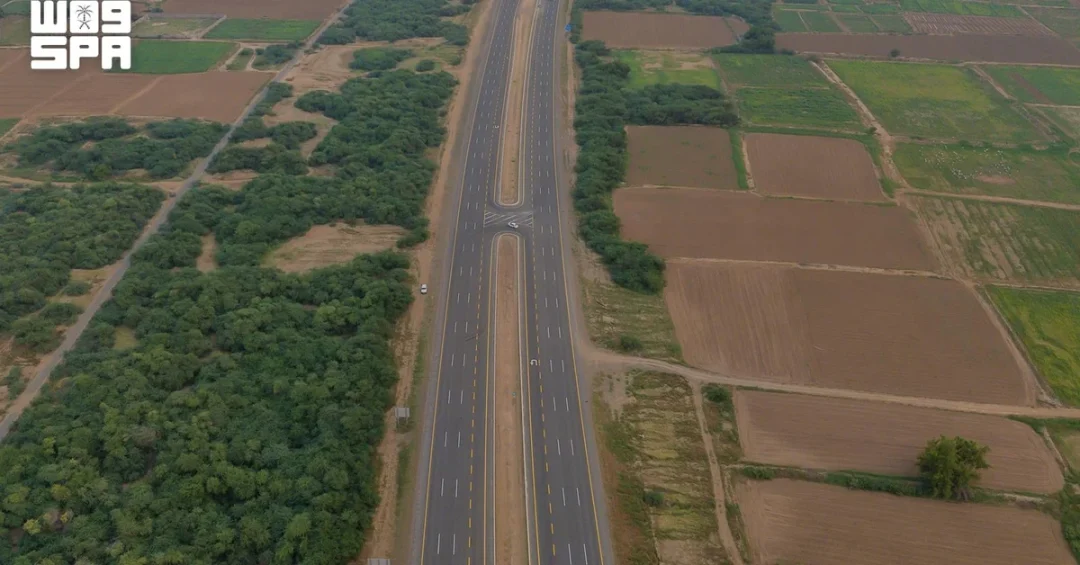
The Al-Shuqaiq–Al-Tuwal coastal road in Jazan Region spans 165 kilometers and serves as a vital link connecting governorates, centers, and coastal destinations, according to the Saudi Press Agency (SPA). This strategic route, which forms part of the Jeddah–Jazan coastal road, is enhancing transport, economic, and tourism connectivity across the region, supporting the movement of people and goods while facilitating access to key projects and attractions.
Context and Background
Roads are not merely measured by their length but by the accessibility, mobility, and opportunities they create. In Jazan, the Al-Shuqaiq–Al-Tuwal coastal road exemplifies this principle, acting as a cornerstone of regional infrastructure. The road’s development aligns with Saudi Arabia’s broader efforts to modernize transportation networks under Vision 2030, which prioritizes connectivity and economic diversification. By linking governorates and centers along the Red Sea coast, the road supports integrated development and enhances the quality of life for residents and visitors alike.
Jazan Region, located in the southwest of the Kingdom, is known for its agricultural richness, coastal beauty, and strategic location near the Yemeni border. The road’s role in the Jeddah–Jazan coastal corridor underscores its importance in national and regional transport planning.
Key Details
The 165-kilometer road facilitates the movement of vehicles and goods among governorates and centers, improving access to projects and investments. It also strengthens logistics activity and connects economic activity sites with the region’s transport network. A significant feature is its facilitation of access to the new Jazan Airport through connecting road networks, making travel easier for passengers from various governorates and centers. This integration between land and air transport boosts business and tourism activity.
From a tourism perspective, the road enhances connectivity among coastal destinations, making it easier for residents and visitors to explore Jazan’s attractions. The Saudi Press Agency reported that the road supports transport and economic and tourism activities across the region, highlighting its multifaceted benefits.
Implications and Impact
The Al-Shuqaiq–Al-Tuwal coastal road has far-reaching implications for regional development. Economically, it improves market access, reduces travel time, and lowers transportation costs, thereby stimulating local commerce and attracting investment. Socially, it enhances mobility, allowing residents to access jobs, education, and healthcare more easily. Environmentally, improved road networks can lead to more efficient transport, reducing emissions per journey. Nationally, the road contributes to the Kingdom’s logistics and transport strategy, positioning Saudi Arabia as a global logistics hub. Internationally, it strengthens connectivity to the Red Sea corridor, potentially boosting trade and tourism linkages.
Vision 2030 Alignment
This infrastructure project directly supports Saudi Vision 2030 goals of economic diversification, improved quality of life, and enhanced connectivity. By enabling tourism and logistics, the road helps unlock Jazan’s potential as a gateway to the Red Sea and a hub for sustainable development. As the Kingdom continues to invest in world-class infrastructure, projects like the Al-Shuqaiq–Al-Tuwal coastal road demonstrate the commitment to building a prosperous and connected future for all.
20 Questions
Q1. What is the Al-Shuqaiq–Al-Tuwal coastal road?
A1. It is a 165-kilometer coastal road in Jazan Region, Saudi Arabia, forming part of the Jeddah–Jazan coastal road. It connects governorates, centers, and coastal destinations, enhancing transport, economic, and tourism activities.
Q2. How long is the Al-Shuqaiq–Al-Tuwal coastal road?
A2. The road stretches for 165 kilometers, serving as a key link among governorates and centers in Jazan Region, as reported by the Saudi Press Agency.
Q3. Where is the Al-Shuqaiq–Al-Tuwal coastal road located?
A3. It is located in Jazan Region, in the southwest of Saudi Arabia, along the Red Sea coast. It forms part of the Jeddah–Jazan coastal road.
Q4. What is the economic importance of the road?
A4. The road facilitates the movement of vehicles and goods, improves access to projects and investments, supports logistics activity, and strengthens connections between economic activity sites and the region’s transport network.
Q5. How does the road support tourism in Jazan?
A5. It strengthens connectivity among coastal destinations, making it easier for residents and visitors to access Jazan’s tourism and recreational attractions, thereby enhancing the region’s tourism sector.
Q6. Does the road improve access to Jazan Airport?
A6. Yes, the road facilitates access to the new Jazan Airport through its connecting road network, making travel easier for passengers from governorates and centers, and enhancing integration between land and air transport.
Q7. What role does the road play in regional connectivity?
A7. It links governorates, centers, and coastal destinations, facilitating the movement of people and goods, and supporting transport, economic, and tourism activities across Jazan Region.
Q8. How does the road align with Saudi Vision 2030?
A8. It supports Vision 2030 goals of economic diversification, improved quality of life, and enhanced connectivity by boosting tourism, logistics, and regional development.
Q9. What is the Jeddah–Jazan coastal road?
A9. It is a major coastal highway in Saudi Arabia that connects Jeddah to Jazan. The Al-Shuqaiq–Al-Tuwal road forms part of this larger corridor.
Q10. Which agency reported on the road’s importance?
A10. The Saudi Press Agency (SPA) reported on the road’s significance, highlighting its role in transport, economic, and tourism connectivity.
Q11. How does the road support logistics activity?
A11. It strengthens connections between economic activity sites and the transport network, facilitating the movement of goods and improving access to projects and investments.
Q12. What benefits does the road bring to residents?
A12. It enhances mobility, reduces travel time, and improves access to jobs, education, healthcare, and recreational destinations, thereby improving the quality of life.
Q13. Does the road attract investment to the region?
A13. Yes, by improving access to projects and investments, the road helps attract economic activities and supports the growth of local businesses and industries.
Q14. How does the road enhance integration between land and air transport?
A14. It provides a direct link to the new Jazan Airport, making it easier for passengers to travel between governorates and centers, thus integrating land and air transport networks.
Q15. What types of vehicles use the road?
A15. The road accommodates all types of vehicles, including private cars, commercial trucks, and buses, facilitating the movement of people and goods across the region.
Q16. Is the road part of a larger national project?
A16. Yes, it forms part of the Jeddah–Jazan coastal road, which is a key component of Saudi Arabia’s national transport and logistics strategy.
Q17. How does the road contribute to Saudi Arabia’s global logistics hub ambitions?
A17. By improving connectivity and facilitating trade, the road supports the Kingdom’s goal of becoming a global logistics hub, enhancing links to international markets.
Q18. What tourism attractions are accessible via the road?
A18. The road provides access to various coastal destinations and recreational sites in Jazan, including beaches, heritage sites, and natural landscapes.
Q19. When was the road project completed or announced?
A19. The Saudi Press Agency reported on the road on October 7, 2026, but the exact completion date was not specified. The road is currently operational and serving the region.
Q20. How does the road support Saudi Arabia’s economic diversification?
A20. By enabling tourism, logistics, and trade, the road helps reduce dependence on oil, aligning with Vision 2030’s goal of diversifying the economy and creating new opportunities.
Reader Feedback
We value your thoughts. Please share your feedback on this article.
Your feedback helps us improve our coverage.