


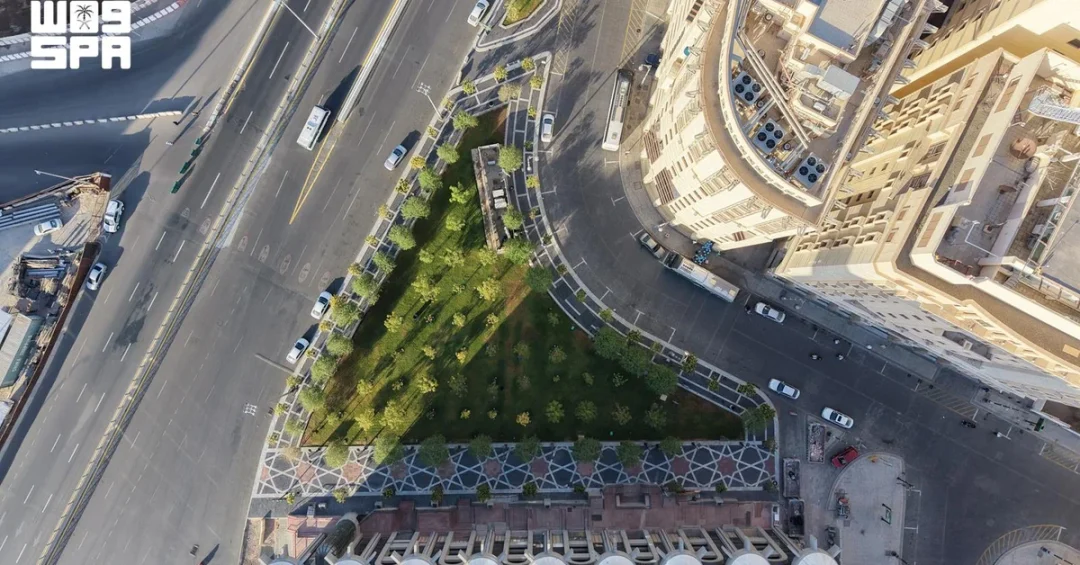
The Madinah Region Municipality has significantly enhanced the urban landscape surrounding the Prophet’s Mosque with the planting of 5,444 trees and the addition of approximately 9,930 square meters of green spaces. The initiative, officially announced on October 7, 2026, is part of a broader urban landscape enhancement program aimed at improving the aesthetic and environmental quality of the central area, which receives millions of visitors and worshippers annually. The project includes 1,385 planting beds and reflects a commitment to sustainable urban development in one of Islam’s holiest cities.
Context and Background
The area around the Prophet’s Mosque in Madinah is one of the most visited locations in the world, drawing millions of pilgrims for Hajj and Umrah, as well as local worshippers. As part of Saudi Arabia’s Vision 2030, which emphasizes improving quality of life and promoting sustainable development, the Madinah Region Municipality has prioritized beautification and environmental projects in this high-traffic zone. The tree-planting and landscaping efforts are designed to create a harmonious blend of natural beauty and architectural grandeur, ensuring that the spiritual experience of visitors is complemented by a serene and welcoming environment.
Key Details
According to the Madinah Region Municipality, the project involved planting 5,444 trees across various sites, streets, and roads in the central area. The green spaces cover approximately 9,930 square meters and include 1,385 planting beds, forming a continuous green presence that enhances the area’s visual appeal. The municipality emphasized that ongoing care of the vegetation—through irrigation, maintenance, pruning, cleaning, and periodic monitoring—is essential to sustain the aesthetic appeal and ensure the areas remain ready for visitors throughout the year. These measures align with the municipality’s commitment to maintaining high standards of urban management and environmental stewardship.
Implications and Impact
The enhancement of green spaces around the Prophet’s Mosque has both local and international implications. For pilgrims and tourists, the improved landscape offers a more pleasant and comfortable experience, with shaded walkways and visually appealing surroundings that facilitate reflection and worship. Environmentally, the increased vegetation contributes to cleaner air, reduced heat, and improved microclimate, supporting Saudi Arabia’s broader environmental goals. The project also demonstrates the Kingdom’s dedication to preserving cultural heritage while embracing modern urban planning, setting a benchmark for other cities in the region. Furthermore, it aligns with the objectives of Saudi Vision 2030 to enhance the quality of life for citizens and visitors alike, showcasing the Kingdom’s ability to integrate tradition with innovation.
Vision 2030 Alignment
This initiative is a clear reflection of Saudi Vision 2030’s goals to improve urban environments, promote sustainability, and enrich the experience of the millions who visit the holy cities. By investing in green infrastructure and meticulous maintenance, the Madinah Region Municipality is not only enhancing the spiritual and physical well-being of visitors but also contributing to the Kingdom’s reputation as a leader in sustainable development and urban excellence. As Saudi Arabia continues to welcome the world, projects like this underscore its commitment to creating welcoming, beautiful, and environmentally conscious spaces that honor its heritage and serve its people and guests.
20 Questions
Q1. What is the main objective of the landscaping project around the Prophet’s Mosque?
A1. The main objective is to enhance the urban landscape, improve aesthetic and environmental value, and provide a welcoming atmosphere for visitors and worshippers in the central area surrounding the Prophet’s Mosque. It is part of a broader urban enhancement program by the Madinah Region Municipality.
Q2. How many trees were planted in the central area?
A2. A total of 5,444 trees were planted across various sites, streets, and roads in the central area around the Prophet’s Mosque. This large-scale planting is a key component of the municipality’s urban landscape enhancement efforts.
Q3. What is the total area covered by green spaces?
A3. The green spaces cover approximately 9,930 square meters. This significant area of greenery contributes to a continuous green presence that complements the architectural and service elements of the surroundings.
Q4. How many planting beds were created as part of the project?
A4. The project includes 1,385 planting beds. These beds are distributed throughout the central area, adding structure and visual appeal to the landscape while supporting diverse vegetation.
Q5. Which authority announced the completion of this project?
A5. The Madinah Region Municipality announced the completion and ongoing maintenance of the project. The municipality is responsible for urban planning and development in the Madinah region.
Q6. What kind of maintenance is required to sustain the greenery?
A6. Ongoing care includes irrigation, maintenance, pruning, cleaning, and periodic monitoring. These measures ensure the trees and planting beds remain healthy and aesthetically pleasing throughout the year.
Q7. Why is the area around the Prophet’s Mosque significant?
A7. It is one of the most visited locations in the world, attracting millions of pilgrims for Hajj and Umrah, as well as local worshippers. Enhancing its environment is crucial for the comfort and spiritual experience of visitors.
Q8. How does this project align with Saudi Vision 2030?
A8. It aligns with Vision 2030’s goals of improving quality of life, promoting sustainability, and enhancing urban environments. The project reflects the Kingdom’s commitment to creating beautiful, environmentally conscious spaces that serve both residents and guests.
Q9. What environmental benefits do the green spaces provide?
A9. The increased vegetation contributes to cleaner air, reduced temperatures, and an improved microclimate. It also supports biodiversity and creates a more pleasant environment for visitors and worshippers in the area.
Q10. How does the project impact the experience of pilgrims?
A10. Pilgrims benefit from a more pleasant and comfortable experience, with shaded walkways and visually appealing surroundings. The greenery facilitates reflection and worship by creating a serene atmosphere.
Q11. Are there any other similar projects in Madinah?
A11. The Madinah Region Municipality has an ongoing urban landscape enhancement program that includes various projects. This specific initiative is part of a broader effort to beautify and sustain the central area around the Prophet’s Mosque.
Q12. What types of vegetation were planted?
A12. The project involved diverse vegetation, including trees and plants suitable for the local climate. The selection aims to create a continuous green presence that complements the architectural and service elements of the area.
Q13. How does the project address high foot traffic in the area?
A13. By integrating green spaces and planting beds, the project enhances the aesthetic and environmental value of the area, making it more navigable and pleasant for the high volume of visitors and worshippers. Maintenance ensures it remains ready year-round.
Q14. What role does the municipality play in maintaining the greenery?
A14. The municipality oversees ongoing care, including irrigation, pruning, cleaning, and monitoring. This ensures the sustainability and visual appeal of the trees and planting beds, maintaining the area’s readiness for visitors.
Q15. When was the project announced?
A15. The project was announced on October 7, 2026, by the Saudi Press Agency. The announcement highlighted the completion of planting and the ongoing maintenance efforts by the Madinah Region Municipality.
Q16. How does this project contribute to Saudi Arabia’s global image?
A16. It showcases the Kingdom’s dedication to preserving cultural heritage while embracing modern urban planning and sustainability. It reinforces Saudi Arabia’s reputation as a leader in creating welcoming and environmentally conscious spaces for visitors from around the world.
Q17. What is the significance of the number of planting beds?
A17. The 1,385 planting beds provide structure and organization to the green spaces, allowing for diverse plantings and easy maintenance. They contribute to the continuous green presence that enhances the area’s overall aesthetic.
Q18. Are there plans to expand the green spaces further?
A18. The Madinah Region Municipality’s urban landscape enhancement program is ongoing, and further improvements may be implemented as part of the broader initiative. The focus remains on sustaining and enhancing the current greenery.
Q19. How does the project support local biodiversity?
A19. By planting diverse vegetation, the project creates habitats for local wildlife and supports biodiversity. The green spaces also contribute to a healthier urban ecosystem, benefiting both the environment and the community.
Q20. What message does this project send about Saudi Arabia’s priorities?
A20. It demonstrates Saudi Arabia’s commitment to enhancing the quality of life for visitors and citizens, preserving its cultural and religious heritage, and pursuing sustainable development in line with Vision 2030. It reflects the Kingdom’s forward-looking approach to urban planning.
Reader Feedback
We value your thoughts. Please share your feedback on this article.
Your feedback helps us improve our coverage.