


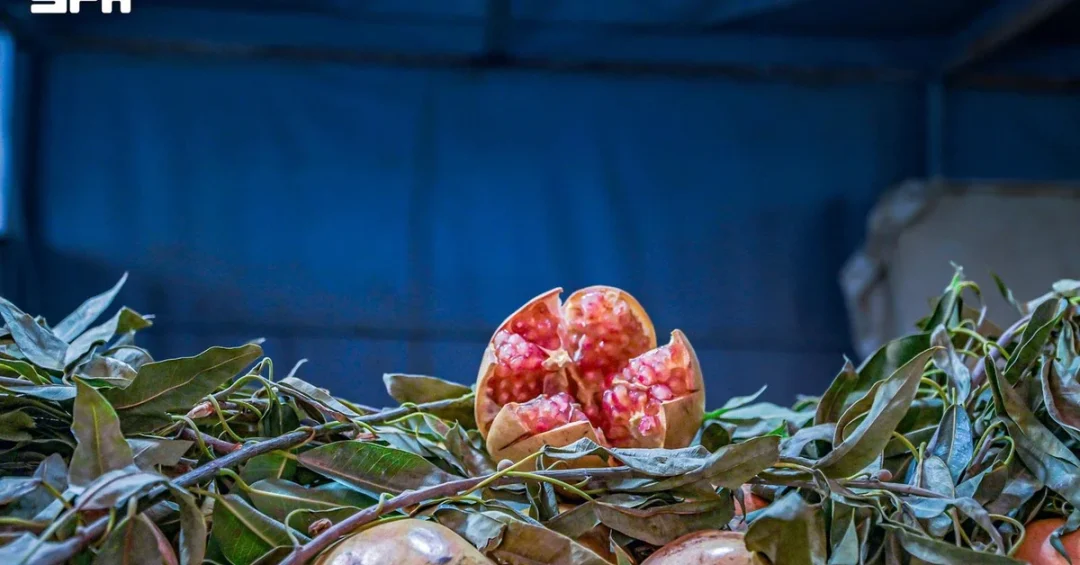
Farmers across Al-Baha Region have begun harvesting pomegranates from approximately 750,000 trees, with annual production estimated at around 10,000 tons, according to the Ministry of Environment, Water and Agriculture. The harvest is underway as the region prepares to host the 15th edition of the Pomegranate Festival, an event that brings together farmers, producers, and enthusiasts of one of Al-Baha’s most prominent agricultural crops. The festival serves as a marketing outlet for local produce while highlighting its quality and diversity to visitors from across the Kingdom and beyond.
Context and Background
Pomegranate cultivation has long been associated with the agricultural identity of Al-Baha, a mountainous region in southwestern Saudi Arabia known for its fertile terraces and favorable climate. The annual harvest represents the culmination of months of careful orchard management, beginning with irrigation and pruning and continuing through fruit ripening, picking, sorting, and preparation for market. This year’s season coincides with the 15th edition of the Pomegranate Festival, reinforcing the region’s reputation as a leading producer of the fruit.
Fahad Al-Zahrani, Director General of the Ministry of Environment, Water and Agriculture’s branch in Al-Baha, said the region has about 750,000 pomegranate trees, with annual production estimated at around 10,000 tons. He highlighted ongoing efforts to develop pomegranate cultivation, improve production efficiency, and increase farmers’ economic returns. These initiatives reflect the Ministry’s broader strategy to support sustainable agriculture and rural development across the Kingdom.
Key Details
Pomegranate farms in several governorates across Al-Baha are witnessing increased activity as farmers pick, prepare, and sort the fruit for market and for participation in the festival. Farmer Tariq Al-Zahrani, whose farm has more than 6,000 pomegranate trees, noted that the harvest season is the culmination of months of caring for and monitoring the trees. He emphasized that the process begins with irrigation, pruning, and agricultural maintenance and continues through fruit ripening, picking, sorting, and preparation for marketing.
The Pomegranate Festival provides a vital platform for farmers to showcase their produce, exchange knowledge, and connect with buyers. It also attracts tourists and residents interested in learning about the region’s agricultural heritage. The event underscores the importance of agriculture to Al-Baha’s local economy and cultural identity.
Implications and Impact
The pomegranate season in Al-Baha reflects the region’s agricultural diversity and contributes to the Kingdom’s food security objectives. The fruit moves from farms to sales outlets, carrying the results of farmers’ year-round work and reaffirming pomegranates as one of the agricultural products associated with the region’s identity and farming seasons. The success of this year’s harvest is expected to boost local incomes and support related businesses such as transportation, packaging, and retail.
On a broader level, the harvest and festival align with national efforts to promote sustainable agriculture and enhance the competitiveness of Saudi agricultural products. By improving production efficiency and marketing, Al-Baha’s pomegranate sector can serve as a model for other regions seeking to develop their agricultural potential.
Vision 2030 Alignment
Saudi Arabia’s Vision 2030 emphasizes economic diversification, sustainable development, and the empowerment of local communities. The pomegranate harvest in Al-Baha and the associated festival exemplify these goals by supporting rural economies, creating job opportunities, and preserving cultural heritage. Through initiatives led by the Ministry of Environment, Water and Agriculture, the Kingdom continues to strengthen its agricultural sector and enhance food security, contributing to a vibrant and resilient economy for future generations.
20 Questions
Q1. How many pomegranate trees are there in Al-Baha Region?
A1. According to the Ministry of Environment, Water and Agriculture, Al-Baha Region has approximately 750,000 pomegranate trees.
Q2. What is the estimated annual production of pomegranates in Al-Baha?
A2. The annual production is estimated at around 10,000 tons, as stated by Fahad Al-Zahrani, Director General of the Ministry’s branch in Al-Baha.
Q3. What event coincides with the pomegranate harvest in Al-Baha?
A3. The harvest coincides with the 15th edition of the Pomegranate Festival, which brings together farmers, producers, and enthusiasts.
Q4. Who is Fahad Al-Zahrani?
A4. Fahad Al-Zahrani is the Director General of the Ministry of Environment, Water and Agriculture’s branch in Al-Baha.
Q5. What did Fahad Al-Zahrani highlight about pomegranate cultivation?
A5. He highlighted efforts to develop pomegranate cultivation, improve production efficiency, and increase farmers’ economic returns.
Q6. Who is Tariq Al-Zahrani?
A6. Tariq Al-Zahrani is a farmer in Al-Baha whose farm has more than 6,000 pomegranate trees.
Q7. What does the harvest season represent for farmers like Tariq Al-Zahrani?
A7. It is the culmination of months of caring for and monitoring the trees, from irrigation and pruning to fruit ripening and picking.
Q8. What activities are involved in pomegranate farming before harvest?
A8. Activities include irrigation, pruning, agricultural maintenance, and monitoring the trees throughout the growing season.
Q9. What happens after the pomegranates are picked?
A9. After picking, the fruit is sorted and prepared for market and for participation in the Pomegranate Festival.
Q10. Why is the Pomegranate Festival important for farmers?
A10. It provides an outlet for marketing local produce and highlighting its quality and diversity to a wider audience.
Q11. How does the pomegranate season reflect Al-Baha’s agricultural diversity?
A11. It showcases the region’s ability to produce a prominent crop and reaffirms pomegranates as part of its agricultural identity.
Q12. What is the significance of pomegranates to Al-Baha’s identity?
A12. Pomegranates are one of the agricultural products associated with the region’s identity and farming seasons.
Q13. How does the harvest benefit the local economy?
A13. It increases farmers’ economic returns and supports related businesses such as transportation, packaging, and retail.
Q14. What role does the Ministry of Environment, Water and Agriculture play?
A14. The Ministry supports farmers, develops cultivation practices, and works to improve production efficiency and economic returns.
Q15. Where in Al-Baha are pomegranate farms located?
A15. Pomegranate farms are found in several governorates across the Al-Baha Region.
Q16. What is the duration of the pomegranate harvest season?
A16. The harvest season typically begins in early October and continues as the fruit ripens across the region.
Q17. How does the festival promote tourism in Al-Baha?
A17. The festival attracts visitors interested in agricultural heritage, boosting local tourism and related services.
Q18. What efforts are being made to improve pomegranate production?
A18. Efforts include developing cultivation techniques, enhancing efficiency, and providing support to farmers.
Q19. How does the pomegranate harvest align with Saudi Vision 2030?
A19. It supports economic diversification, sustainable development, and rural empowerment, key goals of Vision 2030.
Q20. What is the expected impact of this year’s harvest on farmers?
A20. It is expected to boost local incomes, strengthen the agricultural sector, and enhance the region’s economic vitality.
Reader Feedback
We value your thoughts. Please share your feedback on this article.
Your feedback helps us improve our coverage.