


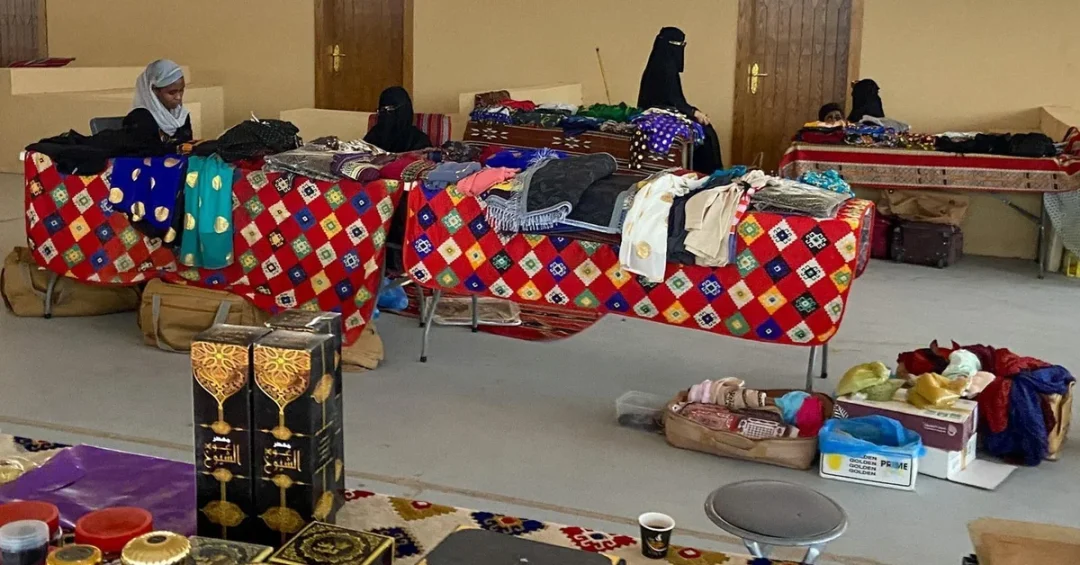
The Friday traditional market in Riyadh Al-Khabra Governorate, Qassim Region, continues to serve as a vital weekly hub where commercial activity and social interaction converge, according to the Saudi Press Agency (SPA). The market provides vendors, farmers, traditional producers, and sellers of various goods with an opportunity to display their products to shoppers, reinforcing its role as a community cornerstone in the heart of the Kingdom.
Context and Background
Traditional markets have long been integral to Saudi Arabia’s cultural and economic fabric. The Friday market in Riyadh Al-Khabra, located in the Qassim Region, is one such gathering that has evolved over time while retaining its popular character. It offers individual vendors and small business owners a direct platform to reach consumers, allowing shoppers to explore a wide range of products and sellers to market their produce. This model of direct sales not only supports local livelihoods but also fosters a sense of community and heritage that aligns with the Kingdom’s broader socioeconomic objectives.
Key Details
The market operates weekly, bringing together farmers, artisans, and families engaged in cottage industries. These participants benefit from the opportunity to sell fresh produce, handmade goods, and other traditional products without intermediaries. The SPA report highlights that the market combines direct sales with social interaction, creating a dynamic environment where commerce and community life intersect. As investment projects and services continue to receive attention in the governorate, the Friday market holds potential for development while preserving its popular character and adapting to modern market needs.
Implications and Impact
The ongoing support for traditional markets like the one in Riyadh Al-Khabra reflects a broader recognition of their economic and social value. By providing a platform for small-scale vendors and farmers, the market contributes to local economic resilience and helps sustain rural livelihoods. Moreover, it serves as a tourist attraction, offering visitors an authentic glimpse into Saudi culture and traditions. The market’s potential for infrastructure development and improved organization could further enhance its role in supporting farmers, families in cottage industries, artisans, and small-scale vendors, thereby amplifying its positive impact on the region.
Vision 2030 Alignment
The development and promotion of traditional markets are in line with Saudi Vision 2030’s goals of economic diversification, community empowerment, and cultural preservation. By strengthening local markets, the Kingdom supports small and medium enterprises (SMEs), boosts domestic tourism, and preserves cultural heritage. The Friday market in Riyadh Al-Khabra exemplifies how traditional commerce can be integrated into modern economic frameworks, contributing to a vibrant and sustainable future for all Saudis.
20 Questions
Q1. What is the Friday market in Riyadh Al-Khabra?
A1. The Friday market in Riyadh Al-Khabra is a weekly traditional market in the Qassim Region of Saudi Arabia that brings together vendors, farmers, and artisans to sell goods and interact socially, as reported by the Saudi Press Agency.
Q2. Where is Riyadh Al-Khabra located?
A2. Riyadh Al-Khabra is a governorate in the Qassim Region of Saudi Arabia, situated in the heart of the Kingdom, known for its agricultural activities and traditional markets that serve local communities and visitors alike.
Q3. What types of products are sold at the market?
A3. The market offers a wide range of products, including fresh produce from farmers, handmade goods from artisans, and various items from small-scale vendors and cottage industry families, providing shoppers with diverse choices and supporting local livelihoods.
Q4. Who benefits from the Friday market?
A4. Vendors, farmers, traditional producers, artisans, families in cottage industries, and small business owners all benefit by reaching consumers directly, while shoppers gain access to a variety of goods and a vibrant social experience.
Q5. How does the market support the local economy?
A5. By providing a direct sales platform, the market helps small-scale vendors and farmers earn income, reduces reliance on intermediaries, and stimulates local commerce, contributing to economic resilience in the Qassim Region and beyond.
Q6. What is the significance of traditional markets in Saudi Arabia?
A6. Traditional markets like the Friday market are cultural and economic pillars, preserving heritage, fostering community bonds, and supporting livelihoods. They reflect the Kingdom’s commitment to maintaining its cultural identity while progressing economically.
Q7. How does the market combine commerce and social interaction?
A7. The market serves as a weekly gathering where people not only buy and sell goods but also meet, exchange news, and strengthen community ties, creating a lively atmosphere that blends economic activity with social engagement.
Q8. What potential does the market have for development?
A8. With attention to infrastructure and organization, the market could enhance its role in supporting farmers, artisans, and small vendors, while preserving its popular character and adapting to modern market needs, as noted by SPA.
Q9. How does the market align with Saudi Vision 2030?
A9. The market supports Vision 2030 goals of economic diversification, SME empowerment, and cultural preservation by fostering local entrepreneurship, boosting domestic tourism, and maintaining traditional heritage for future generations.
Q10. What role do farmers play in the market?
A10. Farmers bring fresh produce to sell directly to consumers, ensuring quality and freshness while earning fair prices. Their participation strengthens the agricultural sector and supports rural economies in the Qassim Region.
Q11. Are there opportunities for artisans at the market?
A11. Yes, artisans can showcase and sell handmade crafts, from pottery to textiles, providing them with income and helping preserve traditional crafts. This supports cultural heritage and small-scale entrepreneurship.
Q12. How does the market contribute to tourism?
A12. The market offers tourists an authentic cultural experience, allowing them to interact with local vendors, taste regional products, and immerse themselves in Saudi traditions, thereby enhancing the Kingdom’s appeal as a tourism destination.
Q13. What infrastructure improvements could benefit the market?
A13. Improvements such as better stalls, parking, sanitation, and organization could enhance the shopping experience, attract more visitors, and enable vendors to operate more efficiently, as suggested by SPA’s report on the market’s potential.
Q14. How does the market support families in cottage industries?
A14. Families engaged in cottage industries can sell homemade goods like baked items, preserves, and handicrafts directly to consumers, gaining income and recognition while preserving traditional skills and fostering economic self-sufficiency.
Q15. Is the market only for locals or does it attract visitors from other regions?
A15. While primarily serving the local community, the market attracts visitors from across the Qassim Region and beyond, drawn by its authentic atmosphere and unique products, contributing to local tourism and cross-regional exchange.
Q16. What is the historical significance of Friday markets in Saudi Arabia?
A16. Friday markets have historically been central to community life, serving as trading hubs and social gathering points. They reflect the Kingdom’s rich commercial heritage and continue to play a vital role in modern society.
Q17. How can the market preserve its popular character while modernizing?
A17. By carefully integrating modern amenities and organization without losing the market’s traditional charm, stakeholders can ensure it remains authentic and appealing, balancing heritage with contemporary needs as highlighted by SPA.
Q18. What role does the Saudi Press Agency play in reporting on such markets?
A18. The Saudi Press Agency provides official coverage of local markets, highlighting their economic and social importance. This reporting supports transparency and showcases the Kingdom’s vibrant community life to a wider audience.
Q19. How does the market reflect Saudi Arabia’s cultural values?
A19. The market embodies values of community, hospitality, and entrepreneurship. It showcases traditional goods and crafts, reinforcing cultural identity and providing a space where heritage is celebrated and passed on to new generations.
Q20. What does the future hold for the Friday market in Riyadh Al-Khabra?
A20. With continued support and development, the market is poised to grow as a model for traditional markets, contributing to Vision 2030 goals, empowering local vendors, and preserving Saudi heritage while adapting to modern demands.
Reader Feedback
We value your thoughts. Please share your feedback on this article.
Your feedback helps us improve our coverage.