


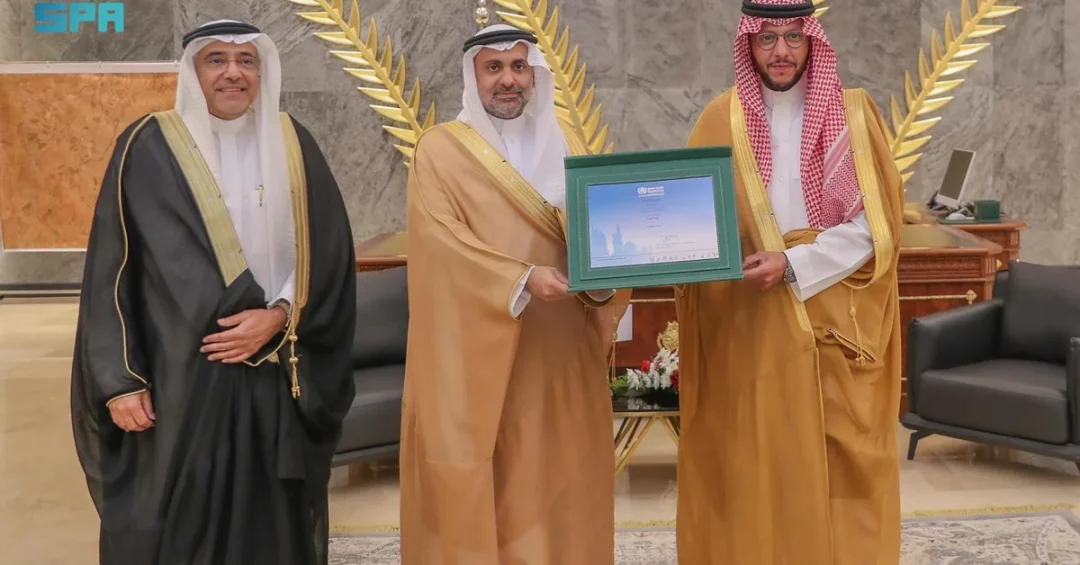
Taif has become the first Saudi city to receive accreditation as a healthy city for the second time from the World Health Organization (WHO), after meeting 80 health standards set by the global body. The reaccreditation was announced on September 5, 2024, by the Saudi Press Agency (SPA), highlighting the city’s ongoing commitment to promoting healthy lifestyles and aligning with Saudi Vision 2030’s goals of enhancing quality of life and individual well-being.
Context and Background
The WHO’s Healthy Cities program recognizes municipalities that prioritize health and well-being through policies, infrastructure, and community engagement. Taif’s initial accreditation marked its entry into this global network, and the recent reaccreditation underscores its sustained efforts. The certificate was presented to Prince Saud bin Nahar bin Saud bin Abdulaziz, Governor of Taif, by Minister of Health Fahad Al-Jalajel, in a ceremony that reflected the collaborative work of various sectors and the local community.
Key Details
Minister Al-Jalajel praised the achievement, stating that it reflects the support of the governor and the combined efforts of all sectors alongside the community. He also visited several health facilities in Taif to ensure the quality of services provided to citizens. The minister’s visit underscores the Saudi leadership’s commitment to delivering high-quality healthcare across all regions, in line with Vision 2030’s aim for excellence and efficiency in healthcare for all.
Implications and Impact
This reaccreditation not only positions Taif as a leader in health promotion within Saudi Arabia but also serves as a model for other cities in the Kingdom and the region. It demonstrates the effectiveness of integrated efforts between government entities, healthcare providers, and the community in achieving international standards. The recognition enhances Taif’s reputation as a healthy destination, potentially boosting tourism and investment, while reinforcing Saudi Arabia’s broader health and wellness agenda.
Vision 2030 Alignment
Taif’s achievement is a direct contribution to Saudi Vision 2030, particularly its Quality of Life Program, which aims to create a thriving environment and prioritize individual health and well-being. By meeting WHO’s rigorous criteria, Taif exemplifies how Saudi cities can achieve global recognition while supporting the Kingdom’s transformation into a more vibrant and healthy society.
20 Questions
Q1. What accreditation did Taif receive from the WHO?
A1. Taif received reaccreditation as a healthy city from the World Health Organization, becoming the first Saudi city to achieve this twice after meeting 80 health standards set by the WHO.
Q2. When was the reaccreditation announced?
A2. The reaccreditation was announced on September 5, 2024, by the Saudi Press Agency, highlighting Taif’s commitment to promoting healthy lifestyles in line with Saudi Vision 2030.
Q3. Who presented the accreditation certificate to the Governor of Taif?
A3. Minister of Health Fahad Al-Jalajel presented the accreditation certificate to Prince Saud bin Nahar bin Saud bin Abdulaziz, the Governor of Taif, in a ceremony attended by various officials.
Q4. What did Minister Al-Jalajel say about the reaccreditation?
A4. Minister Al-Jalajel stated that the reaccreditation reflects the support and commitment of the governor, along with the combined efforts of all sectors alongside the community in promoting health and well-being.
Q5. Why did Minister Al-Jalajel visit Taif?
A5. Minister Al-Jalajel visited Taif to present the accreditation certificate and to inspect several health facilities to ensure the quality of services provided to citizens, demonstrating the leadership’s commitment to healthcare excellence.
Q6. How does this achievement align with Saudi Vision 2030?
A6. It aligns with Vision 2030’s objectives of creating a thriving environment and prioritizing individual health and well-being, contributing to the Quality of Life Program and the Kingdom’s broader health agenda.
Q7. What are the WHO’s healthy cities criteria?
A7. The WHO’s Healthy Cities program requires municipalities to meet standards related to health promotion, disease prevention, equitable access to healthcare, and community engagement, among other factors, to improve overall urban health.
Q8. What benefits does the reaccreditation bring to Taif?
A8. The reaccreditation enhances Taif’s reputation as a healthy destination, potentially boosting tourism and investment, and serves as a model for other Saudi cities to follow in achieving international health standards.
Q9. How many standards did Taif meet for the reaccreditation?
A9. Taif met 80 standards set by the World Health Organization, covering various aspects of health promotion, infrastructure, and community well-being, to earn the reaccreditation as a healthy city.
Q10. What role did the community play in achieving this recognition?
A10. The community played a vital role by actively participating in health initiatives and embracing healthy lifestyles, collaborating with government sectors to meet the WHO’s criteria and sustain the city’s health achievements.
Q11. What other Saudi cities are part of the WHO Healthy Cities network?
A11. Several Saudi cities have received accreditation, but Taif is the first to be reaccredited twice. The network includes cities like Riyadh and Jeddah, all working towards improving urban health.
Q12. How does the Ministry of Health support healthy city initiatives?
A12. The Ministry of Health provides guidance, resources, and oversight to ensure cities meet WHO standards, fostering partnerships with local authorities and communities to promote health and well-being across the Kingdom.
Q13. What specific health facilities did the minister visit?
A13. The minister visited several health facilities in Taif, including primary care centers and hospitals, to assess the quality of services and ensure they meet the highest standards for citizens and residents.
Q14. How does this recognition impact healthcare in Taif?
A14. It reinforces the city’s commitment to maintaining high healthcare standards, encourages continuous improvement, and attracts further investments in health infrastructure, ultimately benefiting the community’s health and well-being.
Q15. What are the key features of a healthy city according to WHO?
A15. Key features include clean environments, safe public spaces, accessible healthcare, health education, and policies that address social determinants of health, ensuring a holistic approach to urban health and wellness.
Q16. How can other cities in Saudi Arabia learn from Taif’s success?
A16. Other cities can adopt similar community engagement strategies, invest in health infrastructure, and align with Vision 2030 goals to pursue WHO accreditation, using Taif as a benchmark for best practices.
Q17. What is the significance of Taif being the first to receive reaccreditation?
A17. It demonstrates Taif’s sustained commitment to health promotion and sets a precedent for other Saudi cities, showcasing the Kingdom’s progress in public health on an international platform.
Q18. How does this achievement reflect Saudi leadership’s priorities?
A18. It reflects the leadership’s focus on citizen well-being and healthcare excellence, as part of Vision 2030, ensuring that all regions of the Kingdom benefit from high-quality health services and healthy environments.
Q19. What future steps might Taif take to maintain its healthy city status?
A19. Taif may continue to implement health programs, monitor health indicators, and engage the community to sustain and build upon its achievements, ensuring ongoing compliance with WHO standards.
Q20. How does the reaccreditation contribute to Saudi Arabia’s global image?
A20. It enhances Saudi Arabia’s global image as a nation committed to health and well-being, aligning with Vision 2030 and demonstrating leadership in public health, which can attract international partnerships and recognition.
Reader Feedback
We value your thoughts. Please share your feedback on this article.
Your feedback helps us improve our coverage.