


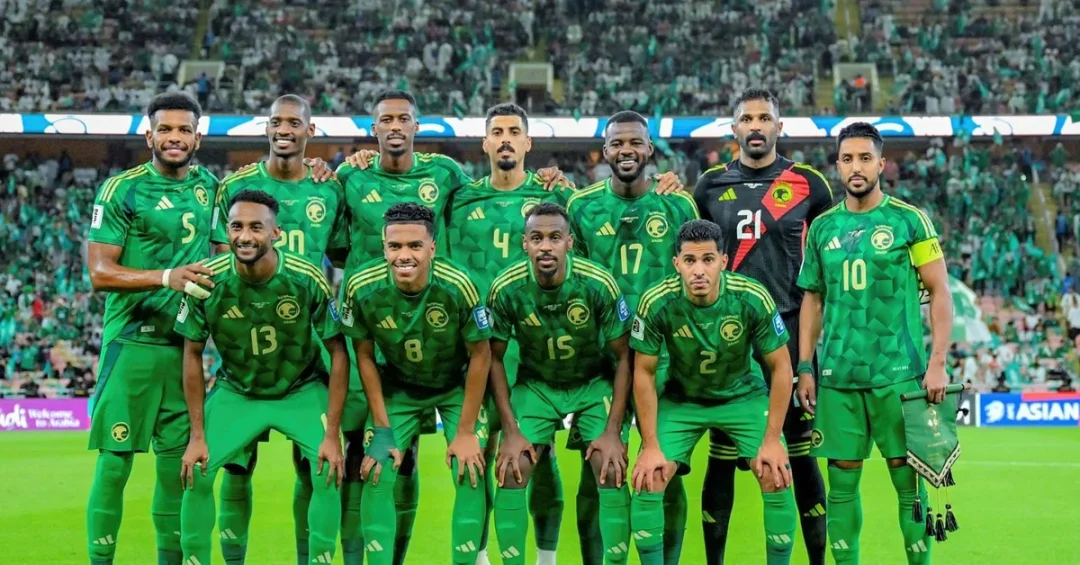
The Saudi national football team played to a 1-1 draw with Indonesia in the AFC Asian Qualifiers for the FIFA World Cup 2026 at King Abdullah Sports City Stadium in Jeddah on September 5, 2024. The match, part of Group C in the third round of Asian qualifying, saw Indonesia take an early lead through Ragnar Oratmangoen in the 19th minute before Musab Al Juwayr equalized for Saudi Arabia in first-half stoppage time (45+3). The result leaves both teams sharing the points as they continue their campaigns to reach the expanded 48-team World Cup, which will be hosted by the United States, Canada, and Mexico.
Context and Background
The AFC Asian Qualifiers are the final stage of Asia’s qualification process for the 2026 World Cup. The third round features 18 teams divided into three groups of six, with the top two from each group earning direct qualification. Saudi Arabia, a perennial Asian powerhouse and six-time World Cup participants, entered the match as favorites but faced a determined Indonesian side. The game was played at the renowned King Abdullah Sports City Stadium, a venue that has hosted numerous high-profile international events. The draw highlights the competitive nature of Group C, which also includes Japan, Australia, Bahrain, and China. Saudi Arabia’s coach, Roberto Mancini, fielded a strong lineup, but the team struggled to break down a resilient Indonesian defense after the early setback. The match was closely watched by fans across the region, underscoring the growing popularity of football in Saudi Arabia and the broader Middle East.
Key Details
Indonesia stunned the home crowd with a 19th-minute goal from Ragnar Oratmangoen, who capitalized on a defensive lapse. Saudi Arabia pressed for an equalizer and were rewarded in the 45th+3 minute when Musab Al Juwayr found the net, sending the teams into halftime level. Despite dominating possession in the second half, the Green Falcons could not find a winning goal. Saudi goalkeeper Mohammed Al-Owais made several crucial saves to keep the scoreline unchanged. The draw leaves Saudi Arabia with work to do in the group, as they aim to secure a top-two finish. The team’s next fixtures will be critical, including a match against Japan, one of Asia’s strongest sides. The Saudi Arabian Football Federation (SAFF) has emphasized the importance of these qualifiers for the nation’s football development and its Vision 2030 goals of promoting sports and youth engagement.
Implications and Impact
The draw has significant implications for Saudi Arabia’s World Cup qualification hopes. With only two direct spots available in Group C, every point matters, and dropping points at home against Indonesia could prove costly. However, the team remains in contention, and the coaching staff will analyze the performance to address weaknesses. The result also reflects the rising competitiveness of Asian football, with nations like Indonesia investing heavily in their squads and infrastructure. For Saudi Arabia, the match serves as a reminder of the challenges ahead and the need for continued investment in player development. The Saudi Pro League, which has attracted global stars in recent years, is part of a broader strategy to elevate the national team’s performance. The draw drew attention from international media, highlighting Saudi Arabia’s growing influence in world football and its commitment to hosting major events, such as the 2034 FIFA World Cup.
Vision 2030 Alignment
This match is part of Saudi Arabia’s broader sports strategy under Vision 2030, which aims to increase sports participation, promote healthy lifestyles, and enhance the Kingdom’s global presence. The government, led by Crown Prince Mohammed bin Salman, has made sports a key pillar of Vision 2030, with initiatives like the Quality of Life Program investing in stadiums, youth academies, and international tournaments. The national team’s journey in the World Cup qualifiers inspires young Saudis and strengthens national pride. As Saudi Arabia prepares to host the 2034 World Cup, performances on the pitch will continue to showcase the Kingdom’s progress and ambition on the world stage.
20 Questions
Q1. What was the final score of the match between Saudi Arabia and Indonesia?
A1. The match ended in a 1-1 draw. Indonesia scored first through Ragnar Oratmangoen in the 19th minute, and Saudi Arabia equalized via Musab Al Juwayr in the 45th+3 minute. Both teams shared the points in the AFC Asian Qualifiers for the 2026 World Cup.
Q2. Where was the match held?
A2. The match was held at King Abdullah Sports City Stadium in Jeddah, Saudi Arabia. This modern stadium is one of the Kingdom’s premier sports venues and regularly hosts major international football matches, including World Cup qualifiers and domestic league games.
Q3. Who scored the goal for Indonesia?
A3. Ragnar Oratmangoen scored Indonesia’s goal in the 19th minute. The forward capitalized on a defensive lapse to give his team an early lead, silencing the home crowd momentarily before Saudi Arabia responded later in the first half.
Q4. Who scored the equalizer for Saudi Arabia?
A4. Musab Al Juwayr scored the equalizer for Saudi Arabia in the 45th+3 minute, just before halftime. His timely goal restored parity and gave the Green Falcons momentum heading into the second half of the crucial qualifier.
Q5. What competition is this match part of?
A5. This match is part of the AFC Asian Qualifiers for the FIFA World Cup 2026. It is the third round of Asia’s qualification process, where 18 teams compete in three groups of six for direct spots in the expanded 48-team tournament.
Q6. Which group is Saudi Arabia in for the qualifiers?
A6. Saudi Arabia is in Group C of the third round, alongside Japan, Australia, Bahrain, China, and Indonesia. The group is highly competitive, with Japan and Australia being frequent World Cup participants, making every match critical for qualification.
Q7. How many teams qualify directly from Asia for the 2026 World Cup?
A7. Asia has eight direct qualification slots for the 2026 World Cup, plus one playoff spot. The top two teams from each of the three groups in the third round qualify directly, while the third and fourth-placed teams advance to a fourth round.
Q8. What is the significance of this draw for Saudi Arabia’s qualification hopes?
A8. The draw means Saudi Arabia dropped two valuable points at home. With only two direct spots in Group C, every point is crucial. However, the team remains in contention and will aim to secure wins in upcoming matches to stay on track for qualification.
Q9. Who is the coach of the Saudi national team?
A9. Roberto Mancini is the head coach of the Saudi national team. The Italian, who previously managed Italy to Euro 2020 glory, was appointed in 2023 to lead the Green Falcons to success in major tournaments, including the 2026 World Cup qualifiers.
Q10. What was the attendance like at the match?
A10. The match attracted a large crowd at King Abdullah Sports City Stadium, with thousands of Saudi fans supporting the Green Falcons. The vibrant atmosphere reflected the nation’s passion for football and its growing sports culture under Vision 2030.
Q11. How did Saudi Arabia perform in the second half?
A11. Saudi Arabia dominated possession in the second half but struggled to break down Indonesia’s defense. Despite creating several chances, they could not find a winning goal, and the Indonesian goalkeeper made key saves to preserve the draw.
Q12. What are the next fixtures for Saudi Arabia in the qualifiers?
A12. Saudi Arabia’s next match is against China, followed by a crucial away game against Japan. These fixtures will be pivotal for the Green Falcons’ qualification hopes, as they aim to collect maximum points to secure a top-two finish in Group C.
Q13. How does this result affect Indonesia’s chances?
A13. The draw gives Indonesia a valuable away point, boosting their confidence. While they remain underdogs in the group, such results demonstrate their progress and ability to compete against stronger teams, keeping their slim qualification hopes alive.
Q14. What is the format of the AFC Asian Qualifiers third round?
A14. The third round features 18 teams divided into three groups of six. Each team plays home and away matches. The top two from each group qualify directly for the 2026 World Cup, while the third and fourth-placed teams move to a fourth round for remaining spots.
Q15. Has Saudi Arabia qualified for the World Cup before?
A15. Yes, Saudi Arabia has qualified for the FIFA World Cup six times: 1994, 1998, 2002, 2006, 2018, and 2022. Their best performance was reaching the round of 16 in 1994. They famously defeated Argentina in the 2022 group stage.
Q16. What is the role of the Saudi Arabian Football Federation in the qualifiers?
A16. The Saudi Arabian Football Federation (SAFF) oversees the national team’s preparations, including coaching, training, and logistics. Under Vision 2030, SAFF aims to develop football at all levels and ensure the senior team competes at the highest international standards.
Q17. How does the Saudi Pro League contribute to the national team?
A17. The Saudi Pro League has attracted world-class players, raising the competitive level and providing Saudi players with experience against top talent. This exposure helps improve the national team’s performance in international qualifiers and tournaments.
Q18. What is the importance of the 2026 World Cup for Saudi Arabia?
A18. The 2026 World Cup is crucial as it will be the first with 48 teams, offering more opportunities. Qualification would showcase Saudi Arabia’s football development and align with Vision 2030 goals of global engagement and sports excellence. It also builds momentum for hosting the 2034 World Cup.
Q19. How did fans react to the draw?
A19. Fans expressed mixed emotions, appreciating the team’s effort but disappointed with the dropped points. The support remained strong, with many taking to social media to encourage the Green Falcons for upcoming matches, reflecting the nation’s unwavering passion for football.
Q20. What does this result mean for Saudi Arabia’s Vision 2030 sports objectives?
A20. The result underscores the importance of continuous investment in sports under Vision 2030. It highlights the need for robust youth development and infrastructure to compete globally. The journey inspires youth participation, promotes healthy lifestyles, and enhances Saudi Arabia’s international sporting profile.
Reader Feedback
We value your thoughts. Please share your feedback on this article.
Your feedback helps us improve our coverage.
Related articles
 Saudi Arabia Snooker Masters Semifinals Lineup Confirmed
 Mahd Academy Opens First Educational School in Sports Sector
 Saudi Games Torch Shines at Crown Prince Camel Festival
 Saudis Shine in Camel Racing, Algerian Rider Wins Women’s Race
 Trump and Williams to Clash in Saudi Snooker Masters Final
 Prince Abdulaziz Congratulates Leadership on Al-Qurashi’s Paralympic Gold