


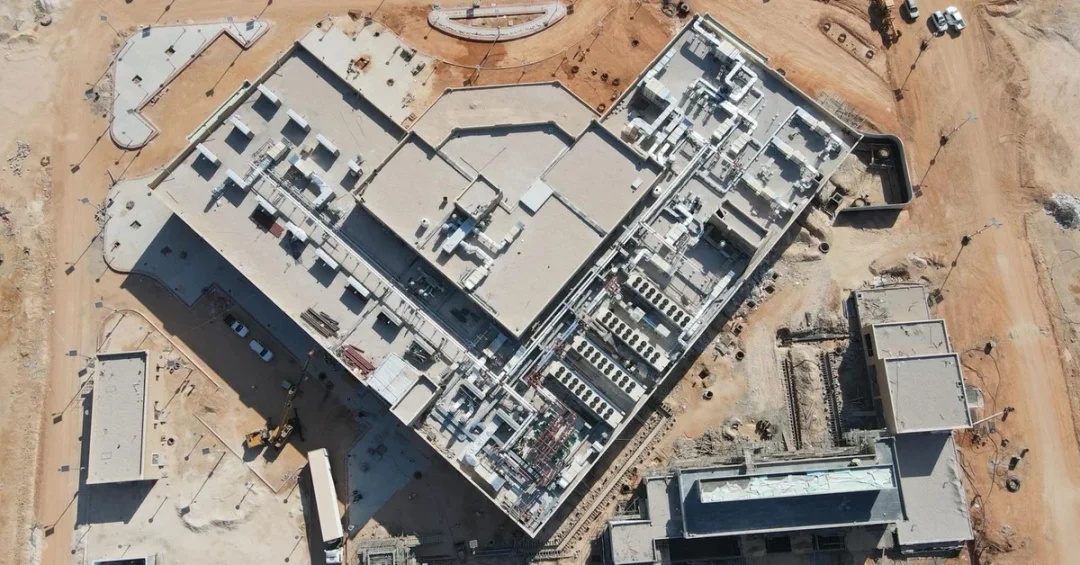
The King Salman Medical and Educational City, a million-square-meter complex in Yemen’s Al-Mahrah governorate, is a major initiative to bolster the nation’s health and education sectors, according to the Saudi Press Agency (SPA). The city, which houses a 110-bed hospital, represents a significant commitment by the Kingdom of Saudi Arabia to support Yemen’s recovery and development through the Saudi Development and Reconstruction Program for Yemen (SDRPY).
Context and Background
The King Salman Medical and Educational City is part of Saudi Arabia’s ongoing efforts to rebuild Yemen’s infrastructure and improve the quality of life for its people. The project, announced by the SPA, is situated in Al-Mahrah governorate and spans one million square meters. It includes a state-of-the-art hospital with 110 beds, outpatient clinics, emergency and radiology departments, intensive care units, surgical facilities, and a cardiac catheterization unit.
The SDRPY, a key vehicle for Saudi Arabia’s development assistance, has been instrumental in implementing this project. The program focuses on building and equipping medical facilities, training medical staff, and improving public health. To date, SDRPY has benefited over four million people and supported 26 medical facilities across nine governorates, enhancing healthcare accessibility and quality.
Key Details
The King Salman Medical and Educational City is not just a hospital; it is a comprehensive complex designed to serve as a hub for medical education and training. It aims to address the critical shortage of healthcare professionals in Yemen by providing advanced training to medical staff. The city also includes educational facilities that will help develop the next generation of Yemeni doctors, nurses, and technicians.
The SDRPY has implemented 264 projects across eight key sectors, including education, transportation, energy, water, agriculture, and capacity building. This demonstrates a comprehensive commitment to Yemen’s development. The program’s multifaceted approach ensures that improvements in health and education are supported by parallel advancements in infrastructure and economic opportunities.
Implications and Impact
The establishment of the King Salman Medical and Educational City is expected to have a profound impact on Yemen’s healthcare system. By providing high-quality medical services and training, it will help reduce the need for Yemenis to seek treatment abroad and will improve health outcomes for the local population. The educational component will build local capacity, ensuring that the benefits are sustainable in the long term.
This initiative also strengthens the bilateral relationship between Saudi Arabia and Yemen. It reflects Saudi Arabia’s leadership in regional humanitarian and development efforts, aligning with its broader foreign policy objectives of promoting stability and prosperity in the region. The project is a tangible example of Saudi Arabia’s commitment to supporting its neighbors and fostering goodwill.
Vision 2030 Alignment
The King Salman Medical and Educational City aligns with Saudi Arabia’s Vision 2030 by promoting sustainable development and enhancing the Kingdom’s role as a global leader in humanitarian aid. Vision 2030 emphasizes the importance of investing in human capital and improving the quality of life, both domestically and internationally. Through projects like this, Saudi Arabia demonstrates its dedication to creating a more prosperous and stable region, which in turn contributes to global security and economic growth.
20 Questions
Q1. What is the King Salman Medical and Educational City?
A1. It is a million-square-meter complex in Yemen’s Al-Mahrah governorate, comprising a 110-bed hospital and educational facilities, aimed at bolstering Yemen’s health and education sectors.
Q2. Who is behind this initiative?
A2. The initiative is supported by Saudi Arabia through the Saudi Development and Reconstruction Program for Yemen (SDRPY), as reported by the Saudi Press Agency.
Q3. What facilities does the hospital include?
A3. The hospital includes outpatient clinics, emergency and radiology departments, intensive care units, surgical facilities, and a cardiac catheterization unit.
Q4. How many people have benefited from SDRPY?
A4. Over four million people have benefited from SDRPY’s projects, which have supported 26 medical facilities across nine governorates in Yemen.
Q5. What is the SDRPY?
A5. The Saudi Development and Reconstruction Program for Yemen is a Saudi initiative focused on rebuilding Yemen’s infrastructure and improving public services in various sectors.
Q6. What sectors does SDRPY cover?
A6. SDRPY covers eight key sectors: education, transportation, energy, water, agriculture, capacity building, health, and other essential areas.
Q7. How many projects has SDRPY implemented?
A7. SDRPY has implemented 264 projects across Yemen, demonstrating a comprehensive commitment to the country’s development.
Q8. How does this project align with Saudi Vision 2030?
A8. It aligns with Vision 2030 by promoting sustainable development, investing in human capital, and enhancing Saudi Arabia’s role as a global humanitarian leader.
Q9. What is the significance of the educational component?
A9. The educational component trains medical staff and develops local capacity, ensuring long-term sustainability of healthcare improvements in Yemen.
Q10. Where is the city located?
A10. The city is located in Al-Mahrah governorate in eastern Yemen, as reported by the Saudi Press Agency.
Q11. When was the project announced?
A11. The project was announced on March 16, 2025, according to the Saudi Press Agency.
Q12. How does this project benefit Yemen’s healthcare?
A12. It provides high-quality medical services, reduces the need for Yemenis to travel abroad for treatment, and improves overall health outcomes.
Q13. What is the role of Saudi Arabia in this project?
A13. Saudi Arabia funds and implements the project through SDRPY, demonstrating its leadership in regional development and humanitarian aid.
Q14. How many medical facilities has SDRPY supported?
A14. SDRPY has supported 26 medical facilities across nine governorates in Yemen.
Q15. What is the expected impact on Yemen’s education sector?
A15. The educational facilities will train new healthcare professionals, helping to build a self-sufficient medical workforce in Yemen.
Q16. How does this project contribute to regional stability?
A16. By improving health and education, the project fosters stability and prosperity in Yemen, which contributes to overall regional security.
Q17. What is the size of the complex?
A17. The complex spans one million square meters, making it a significant infrastructure project in Al-Mahrah governorate.
Q18. What is the capacity of the hospital?
A18. The hospital has 110 beds, equipped with modern medical technology and specialized departments to serve the local population.
Q19. How does SDRPY ensure sustainability?
A19. SDRPY focuses on capacity building and training, ensuring that local staff can maintain and operate the facilities independently in the long term.
Q20. What other sectors has SDRPY invested in?
A20. SDRPY has invested in transportation, energy, water, agriculture, and capacity building, among other sectors, to support comprehensive development in Yemen.
Reader Feedback
We value your thoughts. Please share your feedback on this article.
Your feedback helps us improve our coverage.
Related articles
 Environment Minister Launches Electronic Platform for Incentives, Grants Program
 Jeddah Governor Receives Chad’s Consul General
 Saudi Ministry Organizes Iftar Banquet in Nepal
 Saudi Arabia Distributes Dates in Portugal, Germany
 Islamic Affairs Ministry Hosts Iftar Banquet in Sri Lanka
 Umm Al-Qura, Ministry of Hajj Launch Hackathon for Pilgrims