


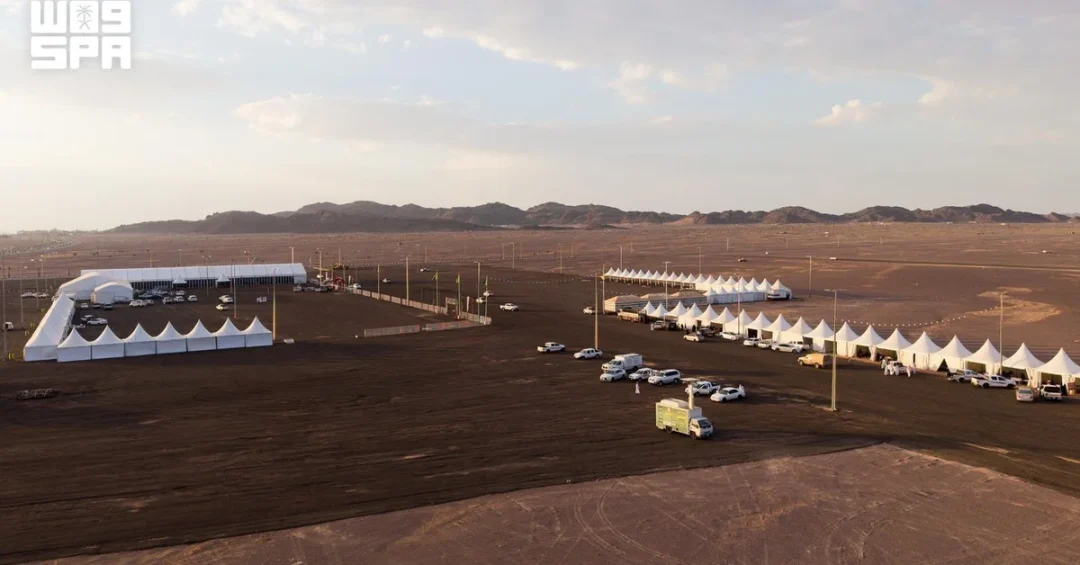
The third edition of the Madinah camel auction launched today, October 8, 2026, in Al-Hinakiyah Governorate, bringing together camel owners, enthusiasts, and government entities in a vibrant celebration of Saudi Arabia’s heritage and economic diversification. Organized under the auspices of official Saudi authorities, the event runs through October 18 and combines commercial trading, rare camel sales, and a rich program of cultural heritage activities.
Context and Background
Camel auctions have long been a cornerstone of Saudi Arabia’s cultural and economic life, reflecting the deep-rooted bond between the people of the Kingdom and camels, which are celebrated as symbols of endurance, generosity, and tradition. The Madinah region, with its historical significance and strategic location, has become a focal point for such gatherings. The inaugural Madinah camel auction in 2024 set the stage for an annual event that not only preserves heritage but also stimulates local commerce. Al-Hinakiyah Governorate, known for its camel breeding traditions, provides an ideal setting for this multifaceted festival, which aligns with Saudi Arabia’s Vision 2030 goals of promoting cultural tourism and economic diversification.
Key Details
The auction features a dedicated commercial trading area where buyers and sellers negotiate prices for camels of various breeds, alongside a special section for rare and prized camels that attract high-value bids. Beyond commerce, the event includes traditional arts performances, poetry recitals that celebrate the camel’s role in Arab culture, and veterinary clinics offering health check-ups and consultations. Family-run businesses are also participating, showcasing handicrafts, food products, and other goods, thereby supporting local entrepreneurs. Government entities are on hand to ensure smooth operations, regulatory compliance, and the welfare of the animals, underscoring the Kingdom’s commitment to organized and ethical trade.
Implications and Impact
The Madinah camel auction serves as a significant economic driver for the region, generating revenue for local traders, boosting hospitality and tourism sectors, and creating temporary employment opportunities. It also reinforces Saudi Arabia’s position as a global hub for camel-related activities, attracting international enthusiasts and researchers. Culturally, the event strengthens national identity and transmits intangible heritage to younger generations. The presence of government entities highlights the state’s support for traditional industries and its efforts to integrate them into the modern economy. Furthermore, the auction promotes Al-Hinakiyah as a destination, contributing to the diversification of tourism beyond major cities.
Vision 2030 Alignment
This event exemplifies Saudi Vision 2030’s emphasis on cultural preservation, economic diversification, and community empowerment. By nurturing heritage-based industries and fostering local entrepreneurship, the auction supports the Kingdom’s goals of increasing non-oil revenues and enhancing quality of life. It also aligns with the National Culture Strategy, which seeks to celebrate Saudi heritage and promote cultural exchange. As Saudi Arabia continues to open up to the world, events like the Madinah camel auction play a vital role in showcasing the Kingdom’s rich traditions and its forward-looking vision.
20 Questions
Q1. What is the Madinah camel auction?
A1. The Madinah camel auction is an annual event organized in Al-Hinakiyah Governorate, Saudi Arabia, that combines commercial camel trading with cultural heritage activities. It brings together camel owners, enthusiasts, and government entities to celebrate the Kingdom’s camel legacy and support local economies.
Q2. When does the third edition of the auction take place?
A2. The third edition launched on October 8, 2026, and will continue through October 18, 2026. The event spans eleven days, offering ample time for trading, cultural performances, and community engagement in Al-Hinakiyah Governorate.
Q3. Where exactly is the auction held?
A3. The auction is held in Al-Hinakiyah Governorate, which is part of the Madinah region in Saudi Arabia. This location is known for its camel breeding traditions and provides a suitable environment for such a large-scale heritage and commercial event.
Q4. Who participates in the auction?
A4. Participants include camel owners, traders, enthusiasts, and various government entities. Additionally, family-run businesses, artists, poets, and veterinary professionals take part, making it a comprehensive event that blends commerce with cultural and community activities.
Q5. What types of camels are sold at the auction?
A5. The auction features both ordinary camels for commercial trading and rare, high-value camels that attract premium bids. These camels are often prized for their lineage, beauty, and racing capabilities, reflecting the deep cultural significance of camels in Saudi society.
Q6. Are there cultural activities at the auction?
A6. Yes, the auction includes a variety of cultural heritage events such as traditional arts performances, poetry recitals, and displays by family-run businesses. These activities celebrate the Kingdom’s camel legacy and provide entertainment and education for visitors of all ages.
Q7. How do veterinary clinics contribute to the event?
A7. Veterinary clinics are set up at the auction to provide health check-ups and consultations for camels. This ensures the welfare of the animals, promotes best practices in animal care, and supports the overall health and quality of the camels being traded.
Q8. What role do government entities play in the auction?
A8. Government entities oversee the auction to ensure regulatory compliance, facilitate smooth operations, and safeguard the interests of participants. Their presence underscores the state’s commitment to organized, ethical trade and the preservation of Saudi heritage.
Q9. How does the auction benefit the local economy?
A9. The auction stimulates the local economy by generating revenue for traders, boosting hospitality and tourism, and creating temporary jobs. It also supports family-run businesses and encourages spending in sectors such as food, transportation, and handicrafts.
Q10. Is the auction open to international visitors?
A10. Yes, the auction welcomes international visitors and enthusiasts, offering them a unique opportunity to experience Saudi Arabia’s camel heritage. It also serves as a platform for cultural exchange and can attract foreign buyers interested in rare camels.
Q11. How does the auction align with Vision 2030?
A11. The auction aligns with Vision 2030 by promoting cultural tourism, supporting economic diversification, and empowering local communities. It showcases Saudi heritage while contributing to non-oil revenues and enhancing the Kingdom’s global cultural presence.
Q12. What is the historical significance of camels in Saudi Arabia?
A12. Camels have been integral to Saudi Arabia’s history, serving as transportation, a source of livelihood, and a cultural symbol. They represent endurance, generosity, and traditional values, and remain central to the Kingdom’s identity and heritage.
Q13. How many editions of the auction have there been?
A13. The current event is the third edition of the Madinah camel auction. The first was held in 2024, followed by a second edition, establishing it as an annual tradition that grows in scale and reputation each year.
Q14. Are there prizes or competitions at the auction?
A14. While the primary focus is on trading and cultural activities, the auction may include informal competitions or showcases for the best camels. These elements add excitement and highlight the quality of the animals presented.
Q15. What safety measures are in place for the camels?
A15. Veterinary clinics and government oversight ensure that camels are healthy and well-treated. Regulations are enforced to prevent disease, ensure proper handling, and maintain ethical standards throughout the auction and related activities.
Q16. Can families attend the auction?
A16. Yes, the auction is designed to be family-friendly, with activities and areas suitable for all ages. Family-run businesses and cultural performances make it an enjoyable and educational outing for families.
Q17. How does the auction promote Saudi heritage?
A17. Through traditional arts, poetry, and the celebration of camel culture, the auction keeps Saudi heritage alive. It educates younger generations and international visitors about the importance of camels in the Kingdom’s history and identity.
Q18. What economic sectors benefit from the auction?
A18. Sectors such as tourism, hospitality, retail, and transportation benefit from the influx of visitors and participants. Additionally, local artisans and food vendors gain exposure and income, contributing to community development.
Q19. Is there an entry fee for the auction?
A19. Information about entry fees is typically announced by organizers. Many cultural activities may be free to encourage public participation, while specific trading areas might have registration requirements for sellers and buyers.
Q20. How does the auction reflect Saudi Arabia’s modernization?
A20. The auction blends tradition with modern organization, using digital tools for trading and promotion while preserving cultural practices. It exemplifies Saudi Arabia’s balanced approach to modernization under Vision 2030, honoring heritage while embracing progress.
Reader Feedback
We value your thoughts. Please share your feedback on this article.
Your feedback helps us improve our coverage.