


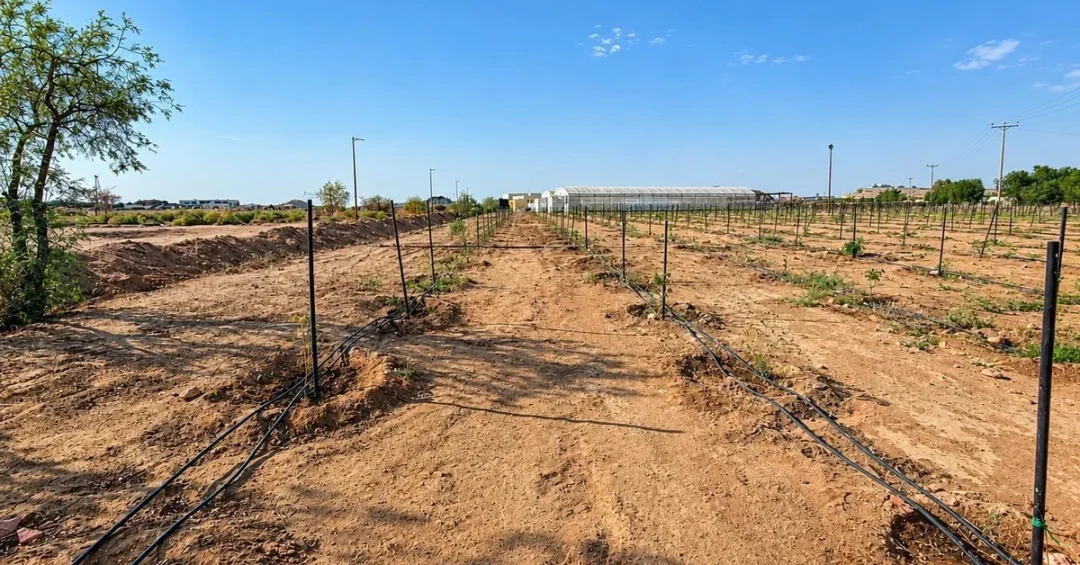
The Makkah Region branch of the Ministry of Environment, Water and Agriculture has successfully rehabilitated 145 abandoned farms spanning approximately 14,300 hectares during 2026, planting and maintaining more than 29,000 trees as part of a sweeping effort to revitalize agricultural land and enhance environmental sustainability. The initiative, announced via the Saudi Press Agency, represents a significant step in the Kingdom’s broader strategy to combat land degradation, improve water management, and return underutilized plots to active production in line with the Saudi Green Initiative and Saudi Vision 2030.
Context and Background
Land degradation is a pressing challenge across the region, but Saudi Arabia has taken a proactive approach to address it. The rehabilitation of abandoned farms in Makkah Region is part of a national drive to restore agricultural productivity and expand green cover. The Ministry of Environment, Water and Agriculture has been at the forefront of these efforts, implementing programs that align with the Saudi Green Initiative, which aims to plant 10 billion trees and rehabilitate millions of hectares of land across the Kingdom. This project not only addresses environmental concerns but also supports food security and rural development, key pillars of Saudi Vision 2030.
Key Details
The initiative focused on 145 farms that had been left idle, covering a vast area of about 14,300 hectares. Over 29,000 trees were planted and are being maintained to ensure their growth and contribution to the ecosystem. The ministry emphasized that the project curbs land degradation by restoring soil health, improves water and farming practices through modern irrigation techniques, and returns underutilized plots to active production. This comprehensive approach ensures that the land becomes productive once again, benefiting local communities and the environment.
Implications and Impact
The rehabilitation of these farms has far-reaching implications. Environmentally, it enhances green cover, which helps reduce desertification, improve air quality, and support biodiversity. Economically, it boosts agricultural output, creating opportunities for local farmers and contributing to the Kingdom’s food security goals. Socially, it revitalizes rural areas, encouraging sustainable livelihoods and community engagement. Regionally, this initiative sets a benchmark for other regions in Saudi Arabia and beyond, demonstrating how targeted interventions can transform degraded land into thriving ecosystems. The project also supports the Kingdom’s commitment to international environmental agreements and climate action.
Vision 2030 Alignment
This initiative exemplifies the objectives of Saudi Vision 2030, which seeks to diversify the economy, enhance sustainability, and improve quality of life. By restoring abandoned farms, the Ministry of Environment, Water and Agriculture is directly contributing to the Saudi Green Initiative’s targets and reinforcing the Kingdom’s role as a global leader in environmental stewardship. As Saudi Arabia continues to implement such projects, it moves closer to achieving a greener, more sustainable future, demonstrating that economic development and environmental protection can go hand in hand.
20 Questions
Q1. What is the main goal of rehabilitating abandoned farms in Makkah Region?
A1. The main goal is to revitalize agricultural land, enhance green cover, curb land degradation, and return underutilized plots to active production, in line with the Saudi Green Initiative and Saudi Vision 2030.
Q2. How many abandoned farms were rehabilitated in 2026?
A2. A total of 145 abandoned farms were rehabilitated during 2026 by the Makkah Region branch of the Ministry of Environment, Water and Agriculture.
Q3. What is the total area of the rehabilitated farms?
A3. The rehabilitated farms span approximately 14,300 hectares, representing a significant area of restored agricultural land in the Makkah Region.
Q4. How many trees were planted and maintained as part of this initiative?
A4. Over 29,000 trees were planted and are being maintained to ensure their growth and contribution to the ecosystem.
Q5. Which government body carried out this initiative?
A5. The initiative was carried out by the Makkah Region branch of the Ministry of Environment, Water and Agriculture.
Q6. What are the key benefits of this rehabilitation project?
A6. The project curbs land degradation, improves water and farming practices, returns underutilized plots to active production, and enhances environmental sustainability.
Q7. How does this initiative align with the Saudi Green Initiative?
A7. It aligns by contributing to the goals of planting trees, rehabilitating land, and combating desertification, which are core objectives of the Saudi Green Initiative.
Q8. What role does this project play in Saudi Vision 2030?
A8. It supports Vision 2030 by promoting environmental sustainability, food security, economic diversification, and improved quality of life.
Q9. How does rehabilitating farms help in curbing land degradation?
A9. By restoring soil health, planting trees, and implementing better farming practices, the project prevents further degradation and promotes land regeneration.
Q10. What improvements in water practices are expected from this initiative?
A10. The initiative promotes modern irrigation techniques and water management practices, ensuring efficient use of water resources in agriculture.
Q11. What impact does this project have on local communities?
A11. It revitalizes rural areas, creates agricultural opportunities, supports livelihoods, and encourages community engagement in sustainable practices.
Q12. How does this project contribute to food security in Saudi Arabia?
A12. By returning farms to active production, it increases local agricultural output, reducing reliance on imports and enhancing national food security.
Q13. What environmental benefits result from planting 29,000 trees?
A13. The trees improve air quality, support biodiversity, reduce desertification, and contribute to carbon sequestration, enhancing overall environmental health.
Q14. Are there plans to expand this initiative to other regions?
A14. While specific plans are not detailed, the success of this project serves as a model that can be replicated in other regions of the Kingdom.
Q15. How does this initiative support biodiversity?
A15. By restoring vegetation and creating green cover, it provides habitats for various species, thereby supporting local biodiversity.
Q16. What economic opportunities does this project create?
A16. It creates jobs in agriculture, landscaping, and maintenance, and boosts local economies through increased agricultural production.
Q17. How does this project align with international environmental agreements?
A17. It supports Saudi Arabia’s commitments to global efforts against climate change and land degradation, such as the UNCCD and Paris Agreement.
Q18. What techniques were used to rehabilitate the farms?
A18. The ministry employed modern farming practices, tree planting, soil restoration, and efficient water management techniques.
Q19. What is the expected long-term impact of this initiative?
A19. In the long term, it will lead to sustainable agricultural production, enhanced green cover, and improved environmental resilience in the Makkah Region.
Q20. How can other countries learn from this initiative?
A20. Other countries can adopt similar approaches to land rehabilitation, focusing on sustainability, community involvement, and alignment with national environmental goals.
Reader Feedback
We value your thoughts. Please share your feedback on this article.
Your feedback helps us improve our coverage.