


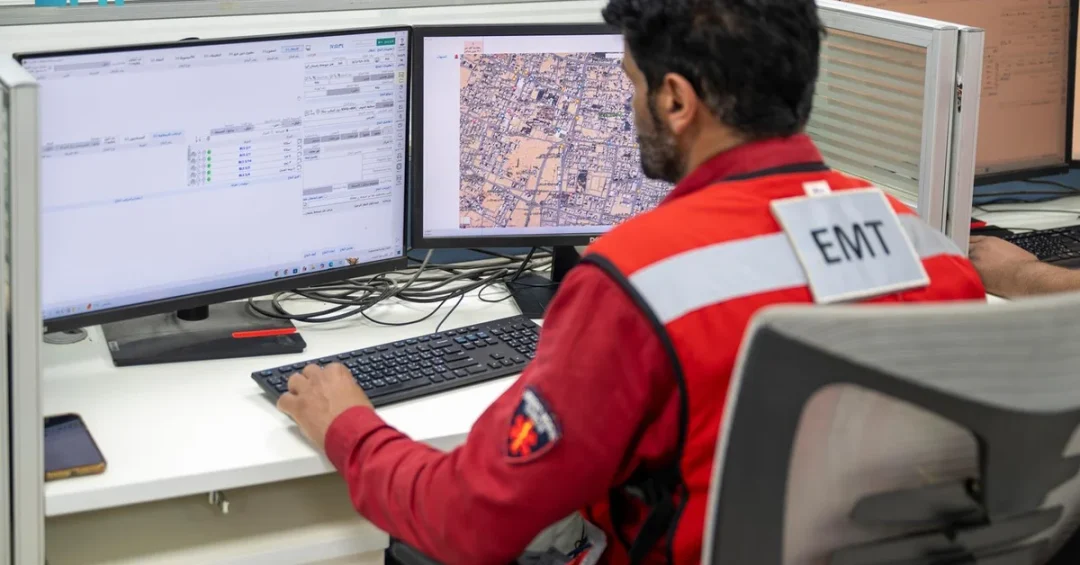
The Madinah branch of the Saudi Red Crescent Authority handled more than 8,000 emergency cases during Ramadan 1446 AH, according to official figures released on Saturday. The branch received 26,385 calls and dispatched 8,411 ambulance responses, underscoring the scale of emergency medical operations during the holy month, when millions of worshippers visit the Prophet’s Mosque and other religious sites. The Saudi Press Agency reported that the cases ranged from medical emergencies and accidents to incidents involving loss of consciousness.
Context and Background
Ramadan is a period of intensified religious activity in the Kingdom of Saudi Arabia, with Madinah welcoming a significant influx of pilgrims and visitors from around the world. The Saudi Red Crescent Authority, the Kingdom’s primary emergency medical services provider, ramps up its operational capacity annually to meet the heightened demand. The Madinah branch’s efforts are part of a broader national preparedness strategy that aligns with Saudi Arabia’s commitment to ensuring the safety and well-being of all visitors to the holy cities of Makkah and Madinah.
During the second quarter of Ramadan alone, the branch mobilized 4,551 volunteers who collectively contributed 26,481 hours of emergency service at the Prophet’s Mosque and Quba Mosque. This volunteer mobilization reflects the strong spirit of community service and the Kingdom’s emphasis on humanitarian engagement.
Key Details
According to the figures released by the Madinah branch, of the 8,411 ambulance responses, 2,177 patients received on-site treatment, while 2,489 were transported to medical facilities after receiving emergency medical care. The variety of cases highlights the comprehensive nature of the emergency services provided, ranging from routine medical assistance to critical interventions.
Emergency services can be accessed through the 997 hotline and the ‘Asefne’ mobile application. The application offers advanced features such as location tracking, distress call functionality, and information on nearby health facilities and emergency resources. These digital tools are part of Saudi Arabia’s broader digital transformation in healthcare, enhancing accessibility and response times.
Implications and Impact
The successful handling of over 8,000 emergencies during Ramadan demonstrates the Saudi Red Crescent Authority’s operational readiness and its ability to coordinate large-scale emergency responses. This capability is crucial not only during religious seasons but also year-round, as the Kingdom continues to host millions of pilgrims for Umrah and Hajj. The integration of technology through the ‘Asefne’ app and the dedication of thousands of volunteers reflect a modern, efficient approach to emergency medical services.
Furthermore, the efforts in Madinah contribute to the Kingdom’s reputation as a safe and well-organized destination for religious tourism. The positive experience of pilgrims and visitors is a key pillar of Saudi Arabia’s Vision 2030, which aims to enhance the quality of life and services for both citizens and guests.
Vision 2030 Alignment
This achievement aligns with Saudi Vision 2030, particularly its objectives to improve healthcare services, promote volunteerism, and enhance the pilgrimage experience. By leveraging technology and mobilizing community volunteers, the Saudi Red Crescent Authority exemplifies the Kingdom’s commitment to innovation and humanitarian values. As Saudi Arabia continues to expand its capacity to host millions of pilgrims, such initiatives will play a vital role in ensuring safety and showcasing the Kingdom’s leadership in emergency medical care on a global stage.
20 Questions
Q1. How many emergency cases did the Madinah Red Crescent handle during Ramadan 1446 AH?
A1. The Madinah branch of the Saudi Red Crescent Authority handled over 8,000 emergency cases, according to official figures released on Saturday.
Q2. How many calls were received by the Madinah Red Crescent during this period?
A2. The branch received a total of 26,385 calls, which resulted in 8,411 ambulance responses across the holy month.
Q3. How many patients received on-site treatment?
A3. Some 2,177 patients received on-site treatment from emergency medical teams during the reporting period.
Q4. How many patients were transported to medical facilities?
A4. A total of 2,489 patients were transported to medical facilities after receiving emergency medical care.
Q5. What types of cases were handled by the Red Crescent?
A5. The cases varied and included medical emergencies, accidents, and instances of loss of consciousness, reflecting the diverse needs of visitors.
Q6. How many volunteers were mobilized during the second quarter of Ramadan?
A6. The branch mobilized 4,551 volunteers who contributed their time and skills to emergency service operations.
Q7. How many volunteer hours were contributed?
A7. Volunteers collectively contributed 26,481 hours of emergency service at the Prophet’s Mosque and Quba Mosque.
Q8. Where did the volunteers provide their services?
A8. Volunteers served at the Prophet’s Mosque and Quba Mosque, two of the most significant religious sites in Madinah.
Q9. How can emergency services be accessed in Madinah?
A9. Emergency services can be accessed through the 997 hotline and the ‘Asefne’ mobile application, which offers advanced features.
Q10. What is the ‘Asefne’ mobile application?
A10. The ‘Asefne’ app is a digital tool that provides location tracking, distress call functionality, and information on nearby health facilities and emergency resources.
Q11. Why is Ramadan a particularly busy time for emergency services in Madinah?
A11. Ramadan sees a significant influx of pilgrims and visitors to the holy cities, increasing the demand for emergency medical services.
Q12. What is the role of the Saudi Red Crescent Authority?
A12. The Saudi Red Crescent Authority is the Kingdom’s primary emergency medical services provider, responsible for responding to emergencies and ensuring public safety.
Q13. How does this effort reflect Saudi Arabia’s commitment to pilgrim safety?
A13. It demonstrates the Kingdom’s dedication to ensuring the well-being of all visitors through robust emergency preparedness and compassionate care.
Q14. What is the significance of the volunteer mobilization?
A14. The mobilization of 4,551 volunteers highlights the strong community spirit and the Kingdom’s emphasis on humanitarian service.
Q15. How does the ‘Asefne’ app enhance emergency response?
A15. The app enhances response by enabling quick access to emergency services, location tracking, and information on nearby medical facilities.
Q16. What does the high number of cases indicate about the scale of operations?
A16. It indicates the large-scale operational capacity of the Saudi Red Crescent Authority during peak religious seasons.
Q17. How does this achievement align with Vision 2030?
A17. It aligns with Vision 2030 goals to improve healthcare, promote volunteerism, and enhance the pilgrimage experience.
Q18. What other digital tools are used by the Saudi Red Crescent?
A18. The ‘Asefne’ app is a key digital tool, offering features like distress calls and health facility information.
Q19. How does this impact the overall pilgrimage experience?
A19. It ensures a safer and more organized environment for pilgrims, contributing to a positive spiritual journey.
Q20. What future developments can be expected in emergency services?
A20. Continued integration of technology and expanded volunteer programs are expected to further enhance emergency medical services in the Kingdom.
Reader Feedback
We value your thoughts. Please share your feedback on this article.
Your feedback helps us improve our coverage.