


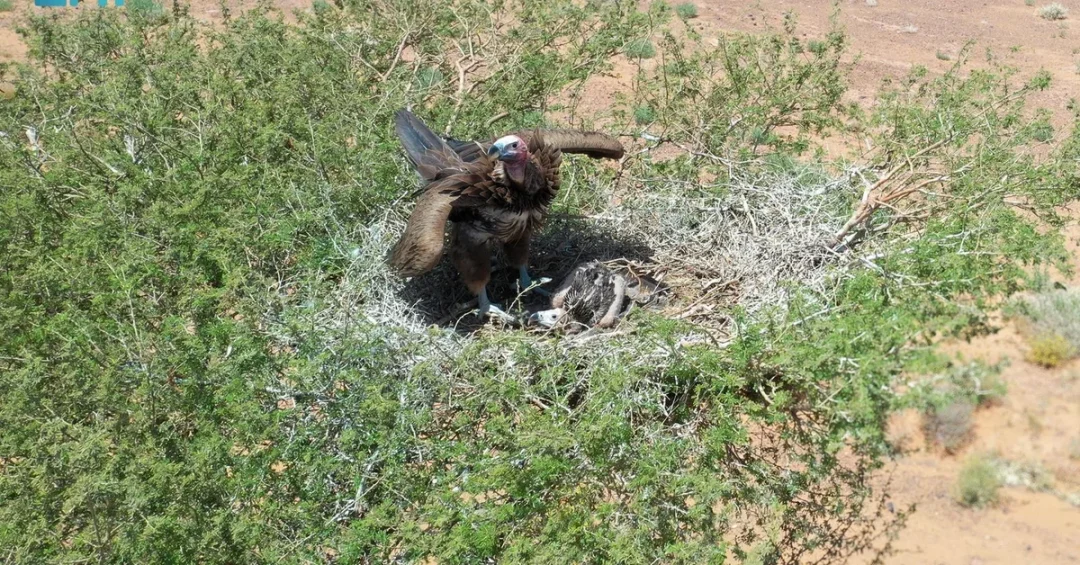
The King Salman bin Abdulaziz Royal Reserve Development Authority has announced that its protected area is home to more than 310 vultures representing four distinct species, including the largest recorded population of lappet-faced vultures in Saudi Arabia. The announcement coincided with World Vulture Awareness Day, highlighting the reserve’s role as a critical sanctuary for some of the world’s most threatened avian species.
Context and Background
The King Salman bin Abdulaziz Royal Reserve, one of Saudi Arabia’s largest protected areas, encompasses diverse ecosystems that support a wide range of wildlife. The reserve’s conservation efforts are part of the Kingdom’s broader environmental strategy under Vision 2030, which aims to protect 30% of Saudi Arabia’s land and marine areas by 2030. The presence of these vulture species underscores the reserve’s success in restoring natural habitats and combating threats to biodiversity.
Vultures play a vital ecological role as nature’s cleanup crew, preventing the spread of disease by consuming carrion. However, vulture populations have declined globally due to poisoning, habitat loss, and electrocution. The King Salman bin Abdulaziz Royal Reserve’s achievements demonstrate effective conservation measures that could serve as a model for other regions.
Key Details
According to the King Salman bin Abdulaziz Royal Reserve Development Authority, the reserve hosts 35 lappet-faced vultures, the largest species recorded in the Kingdom. It also supports 200 griffon vultures, 50 Coragyps atratus (black vultures), which possess the largest wingspan of any avian species, and 25 white scavenger vultures typically found in arid and rocky environments.
The authority attributes the increase in vulture numbers to targeted conservation initiatives, including anti-poaching patrols, insulation of electrical infrastructure to prevent electrocution, and ensuring that carrion is free from toxic substances. These measures are critical for vultures’ survival and reflect a comprehensive approach to wildlife protection.
Implications and Impact
The thriving vulture populations signal the effectiveness of Saudi Arabia’s environmental policies and contribute to global biodiversity goals. The reserve’s success enhances the Kingdom’s standing in international conservation and supports eco-tourism opportunities, aligning with Vision 2030’s objectives to diversify the economy and promote sustainable development. Furthermore, the reserve’s efforts to protect endangered species reinforce Saudi Arabia’s commitment to environmental stewardship.
As vultures continue to face threats worldwide, the King Salman bin Abdulaziz Royal Reserve offers a beacon of hope. The authority’s ongoing programs to restore habitats and protect wildlife will not only benefit vultures but also other species, ensuring a balanced ecosystem for future generations.
Vision 2030 Alignment
The King Salman bin Abdulaziz Royal Reserve’s conservation achievements directly support Saudi Vision 2030’s environmental sustainability goals, particularly the Saudi Green Initiative’s target to protect 30% of the Kingdom’s terrestrial and marine areas. By safeguarding biodiversity and promoting ecological balance, the reserve exemplifies the Kingdom’s dedication to creating a sustainable future and enhancing quality of life for all.
20 Questions
Q1. What is the significance of World Vulture Awareness Day for Saudi Arabia?
A1. World Vulture Awareness Day highlights the critical role vultures play in ecosystems. Saudi Arabia’s participation showcases its conservation efforts and the success of the King Salman bin Abdulaziz Royal Reserve in protecting these endangered birds, reflecting the Kingdom’s commitment to biodiversity.
Q2. How many vulture species are found in the King Salman bin Abdulaziz Royal Reserve?
A2. The reserve is home to four vulture species: lappet-faced, griffon, black (Coragyps atratus), and white scavenger vultures. This diversity indicates a healthy ecosystem and effective conservation management within the protected area.
Q3. What is the total number of vultures in the reserve?
A3. Over 310 individual vultures have been recorded. This substantial population underscores the reserve’s role as a vital sanctuary for these birds, some of which are rare and face extinction threats globally.
Q4. Which vulture species has the largest recorded population in Saudi Arabia?
A4. The lappet-faced vulture, with 35 individuals in the reserve, is the largest species recorded in the Kingdom. Its presence highlights the reserve’s importance for this vulnerable species.
Q5. How many griffon vultures are in the reserve?
A5. There are 200 griffon vultures, making it the second-largest species population in the reserve. Their numbers reflect successful conservation measures and habitat suitability.
Q6. What is unique about the Coragyps atratus vultures?
A6. Coragyps atratus, or black vultures, possess the largest wingspan of any avian species worldwide. The reserve hosts 50 of them, contributing to its ecological significance.
Q7. Where are white scavenger vultures typically found?
A7. White scavenger vultures are typically found in arid and rocky environments. The reserve’s 25 individuals indicate the presence of such habitats, supporting the species’ survival.
Q8. What conservation measures has the authority implemented?
A8. Measures include anti-poaching patrols, insulation of electrical infrastructure to prevent electrocution, and ensuring carrion is free from toxic substances. These actions are crucial for vulture survival and population growth.
Q9. Why are vultures important to the ecosystem?
A9. Vultures act as nature’s cleanup crew, consuming carrion and preventing the spread of diseases. Their presence indicates a healthy environment and contributes to ecological balance.
Q10. How does the reserve contribute to Saudi Vision 2030?
A10. The reserve supports Vision 2030’s environmental goals, including the Saudi Green Initiative’s target to protect 30% of Saudi Arabia’s land and marine areas by 2030, promoting sustainability and biodiversity.
Q11. What threats do vultures face globally?
A11. Vultures face threats such as poisoning, habitat loss, and electrocution. The reserve’s efforts to mitigate these threats serve as a model for conservation worldwide.
Q12. How does the reserve combat poaching?
A12. The authority conducts anti-poaching patrols and enforces regulations to protect wildlife. These efforts ensure a safe environment for vultures and other species to thrive.
Q13. Why is insulating electrical infrastructure important for vultures?
A13. Insulation prevents electrocution, a significant cause of vulture mortality. By modifying infrastructure, the reserve reduces risks and supports population recovery.
Q14. What role does carrion quality play in vulture conservation?
A14. Vultures feed on carrion; if it contains toxic substances, it can be lethal. The authority ensures carrion is free from toxins, safeguarding vulture health and survival.
Q15. How does the reserve’s success impact eco-tourism?
A15. Thriving wildlife attracts eco-tourists, boosting local economies and promoting sustainable tourism. This aligns with Vision 2030’s economic diversification goals.
Q16. What other endangered species benefit from the reserve’s conservation efforts?
A16. The reserve’s habitat restoration and protection measures benefit various endangered wildlife, contributing to overall biodiversity and ecological health in the region.
Q17. How can the public support vulture conservation?
A17. The public can support by respecting protected areas, reporting wildlife crimes, and spreading awareness about the importance of vultures in ecosystems.
Q18. What is the King Salman bin Abdulaziz Royal Reserve Development Authority?
A18. It is a Saudi government entity responsible for managing the reserve, implementing conservation programs, and ensuring biodiversity protection in line with national environmental strategies.
Q19. How does the reserve’s work align with global conservation goals?
A19. The reserve’s efforts contribute to international biodiversity targets, such as the Convention on Biological Diversity, showcasing Saudi Arabia’s role in global conservation.
Q20. What future plans does the authority have for the reserve?
A20. The authority aims to continue habitat restoration, expand conservation programs, and enhance biodiversity, ensuring a safe environment for wildlife reproduction and long-term ecological sustainability.
Reader Feedback
We value your thoughts. Please share your feedback on this article.
Your feedback helps us improve our coverage.