


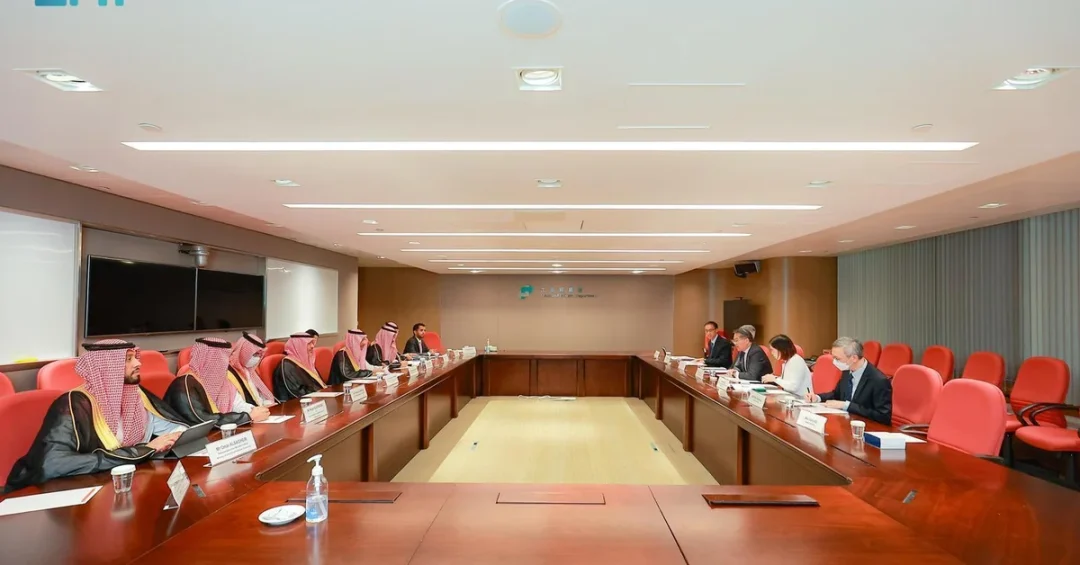
Saudi Arabia’s Minister of Industry and Mineral Resources, Bandar Ibrahim Alkhorayef, held high-level bilateral meetings with senior officials in the Hong Kong Special Administrative Region of China on September 8, 2024, to strengthen industrial cooperation, knowledge transfer, and smart manufacturing solutions. The discussions, reported by the Saudi Press Agency (SPA), underscore the Kingdom’s commitment to deepening international partnerships that support its economic diversification goals and Vision 2030.
Context and Background
The meetings took place amid Saudi Arabia’s ongoing efforts to transform its industrial landscape and position itself as a global hub for advanced manufacturing. Under Vision 2030, the Kingdom aims to increase the industrial sector’s contribution to GDP, attract foreign investment, and foster innovation through initiatives such as the Future Factories initiative. Hong Kong, a leading global financial and technological center, represents a strategic partner in these endeavors, offering expertise in automation, smart manufacturing, and innovation ecosystems.
During the meetings, Minister Alkhorayef emphasized the Kingdom’s strategic advantages, which make it an attractive investment destination for leading global companies. He reviewed Saudi Arabia’s positive economic transformations in recent years and highlighted the Kingdom’s role in developing the industrial and mining sectors. The minister also discussed joint investment opportunities in automation, in line with the Future Factories initiative, and invited Hong Kong companies to invest in promising industrial sectors in the Kingdom.
Key Details
Minister Alkhorayef met with the Director of the Trade and Industry Department, officials from the Innovation and Technology Commission, and the Secretary for Commerce and Economic Development of Hong Kong. They discussed the prospects for strengthening ties between Saudi Arabia and Hong Kong and the opportunities to develop industrial cooperation between the two sides. The meetings were attended by several officials, reflecting the mutual interest in expanding collaboration.
The talks focused on enhancing cooperation in knowledge transfer and innovation, with a particular emphasis on smart manufacturing solutions. These discussions align with Saudi Arabia’s broader strategy to leverage international expertise to modernize its industrial base and create high-value jobs for its citizens.
Implications and Impact
This engagement signals Saudi Arabia’s proactive approach to forging global partnerships that drive technological advancement and economic growth. By collaborating with Hong Kong, the Kingdom can accelerate the adoption of Industry 4.0 technologies, improve efficiency in manufacturing, and enhance the competitiveness of its industrial sector. The partnership also opens doors for Hong Kong businesses to access the growing Saudi market, contributing to mutual prosperity.
On a regional level, the meetings reinforce Saudi Arabia’s role as a bridge between Asia and the Middle East, fostering economic integration and knowledge exchange. This aligns with the Kingdom’s Vision 2030 objective to diversify its economy beyond oil and become a global investment powerhouse.
Vision 2030 Alignment
The discussions directly support Vision 2030’s goals of economic diversification, industrial development, and international collaboration. By attracting foreign investment and expertise, Saudi Arabia is advancing its industrial and mining sectors, creating sustainable opportunities, and positioning itself as a leader in smart manufacturing. This partnership with Hong Kong exemplifies the Kingdom’s commitment to building a prosperous future through global engagement and innovation.
20 Questions
Q1. Who is the Saudi Minister of Industry and Mineral Resources?
A1. Bandar Ibrahim Alkhorayef is the Saudi Minister of Industry and Mineral Resources. He leads the ministry’s efforts to develop the industrial and mining sectors, attract investment, and implement Vision 2030 initiatives aimed at economic diversification and sustainable growth.
Q2. When did Minister Alkhorayef meet with Hong Kong officials?
A2. The meetings took place on September 8, 2024, in Hong Kong. Minister Alkhorayef held bilateral discussions with senior officials to enhance cooperation in industry, knowledge transfer, and smart manufacturing solutions, as reported by the Saudi Press Agency.
Q3. What was the main purpose of the meetings?
A3. The main purpose was to enhance industrial cooperation between Saudi Arabia and Hong Kong, focusing on knowledge transfer, innovation, and smart manufacturing. The discussions aimed to strengthen ties and explore joint investment opportunities in automation and other advanced industrial sectors.
Q4. Which Hong Kong officials did Minister Alkhorayef meet?
A4. He met with the Director of the Trade and Industry Department, officials from the Innovation and Technology Commission, and the Secretary for Commerce and Economic Development. These meetings aimed to strengthen economic and industrial ties between the two sides.
Q5. What is the Future Factories initiative?
A5. The Future Factories initiative is a Saudi program designed to modernize manufacturing through automation, smart technologies, and innovation. It aligns with Vision 2030 goals to boost industrial competitiveness and attract foreign investment in advanced manufacturing sectors.
Q6. What strategic advantages did Minister Alkhorayef highlight?
A6. He emphasized Saudi Arabia’s strategic location, economic reforms, and investment-friendly environment. These factors make the Kingdom an attractive destination for global companies seeking to expand in the Middle East and benefit from its growing industrial and mining sectors.
Q7. How does this cooperation support Saudi Arabia’s economy?
A7. The cooperation supports economic diversification by attracting foreign expertise and investment, enhancing industrial efficiency, and creating jobs. It helps reduce reliance on oil and aligns with Vision 2030’s goal of a sustainable, knowledge-based economy.
Q8. What sectors were discussed for joint investment?
A8. Discussions focused on automation, smart manufacturing, knowledge transfer, and innovation. These sectors are priority areas under Vision 2030, as they drive technological advancement and industrial growth, positioning Saudi Arabia as a regional leader.
Q9. Why is Hong Kong a key partner for Saudi Arabia?
A9. Hong Kong is a global financial and technological hub with expertise in innovation and smart manufacturing. Its strategic position and advanced capabilities make it an ideal partner for Saudi Arabia’s industrial modernization and economic diversification efforts.
Q10. What role does knowledge transfer play in the partnership?
A10. Knowledge transfer enables Saudi Arabia to acquire advanced technologies and best practices from Hong Kong. This enhances local capabilities, fosters innovation, and accelerates the development of smart manufacturing solutions in line with Vision 2030.
Q11. How does this align with Vision 2030?
A11. The partnership aligns with Vision 2030’s objectives of economic diversification, industrial development, and international collaboration. It supports the Kingdom’s efforts to attract foreign investment, create jobs, and become a global leader in advanced manufacturing.
Q12. What economic transformations did Minister Alkhorayef review?
A12. He reviewed Saudi Arabia’s progress in economic diversification, regulatory reforms, and infrastructure development. These transformations have improved the business environment, making the Kingdom more attractive to international investors and partners.
Q13. What are the benefits for Hong Kong companies?
A13. Hong Kong companies can access Saudi Arabia’s growing market, benefit from incentives for foreign investors, and participate in large-scale industrial projects. This collaboration offers opportunities for mutual growth and technological exchange.
Q14. How will automation cooperation be implemented?
A14. Automation cooperation will be implemented through joint ventures, technology transfer agreements, and knowledge-sharing platforms. The Future Factories initiative will serve as a framework to integrate smart manufacturing solutions into Saudi industries.
Q15. What is the significance of the mining sector in these talks?
A15. The mining sector is a key pillar of Saudi Arabia’s economic diversification. Cooperation with Hong Kong can bring advanced technologies and investment to develop mineral resources, enhancing the sector’s contribution to GDP and job creation.
Q16. How do these meetings reflect Saudi Arabia’s global engagement?
A16. They demonstrate Saudi Arabia’s proactive diplomacy and commitment to building international partnerships. By engaging with Hong Kong, the Kingdom strengthens its global network and promotes economic collaboration beyond traditional alliances.
Q17. What follow-up actions are expected?
A17. Follow-up actions may include signing agreements, organizing business forums, and facilitating exchanges between Saudi and Hong Kong companies. These steps will translate discussions into tangible projects and investments.
Q18. How does this partnership impact the region?
A18. It enhances regional economic integration and positions Saudi Arabia as a bridge between Asia and the Middle East. The partnership can spur innovation, trade, and investment flows, benefiting the broader region.
Q19. What message does this send to global investors?
A19. It signals that Saudi Arabia is open for business and actively seeking partnerships in advanced industries. The Kingdom offers a stable, supportive environment for investors looking to capitalize on its Vision 2030 transformation.
Q20. What is the long-term vision for Saudi-Hong Kong relations?
A20. The long-term vision is a robust, multifaceted partnership that drives innovation, economic growth, and cultural exchange. It aligns with Saudi Arabia’s goal to be a global hub for industry and technology by 2030.
Reader Feedback
We value your thoughts. Please share your feedback on this article.
Your feedback helps us improve our coverage.