


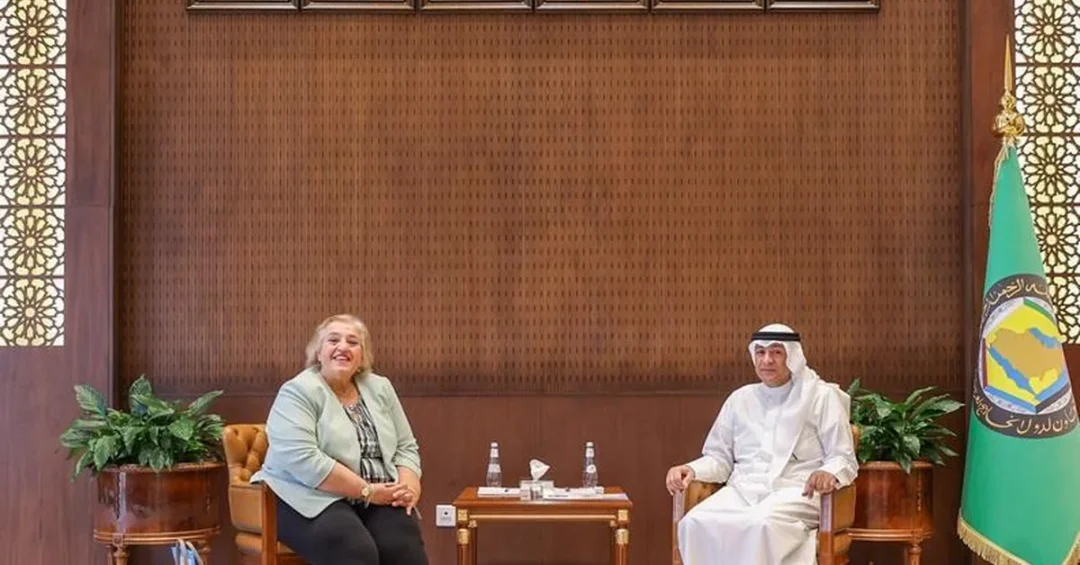
Secretary General of the Gulf Cooperation Council (GCC) Jasem Mohamed Albudaiwi met with Deputy Minister of Foreign Affairs of the Hellenic Republic Alexandra Papadopoulou in Riyadh on September 8, 2024, to discuss regional developments and strengthen bilateral cooperation. The high-level meeting, reported by the Saudi Press Agency (SPA), focused on the latest developments in the region, particularly the crisis in Gaza and the humanitarian situation in the Palestinian territories. The two officials also reviewed progress on the Joint Action Plan stemming from a 2021 memorandum of understanding aimed at enhancing GCC-Greece relations.
Context and Background
The Gulf Cooperation Council, comprising Bahrain, Kuwait, Oman, Qatar, Saudi Arabia, and the United Arab Emirates, has increasingly engaged with international partners to address regional challenges and promote stability. Greece, as a member of the European Union and a key Mediterranean actor, shares mutual interests with the GCC in areas such as trade, energy, and security. The 2021 memorandum of understanding established a framework for structured dialogue and cooperation, culminating in the Joint Action Plan that both sides are now implementing. This meeting underscores the GCC’s commitment to multilateral diplomacy and its proactive role in fostering partnerships that contribute to regional peace and prosperity.
Key Details
During the meeting, Secretary General Albudaiwi and Deputy Minister Papadopoulou addressed the ongoing crisis in Gaza, expressing deep concern over the tragic and dangerous situation in the Palestinian territories due to ongoing violations by Israeli occupation forces. They emphasized the need for a peaceful resolution and the importance of respecting international law. Additionally, the officials discussed ways to boost GCC-Greece cooperation, focusing on the implementation of the Joint Action Plan. This plan includes initiatives to enhance political dialogue, economic ties, and cultural exchanges, aligning with the shared goals of stability and development. The meeting reflects the GCC’s active diplomacy in addressing regional issues and building bridges with European partners.
Implications and Impact
The discussions between the GCC and Greece have significant implications for regional and international relations. By coordinating on the Gaza crisis, the GCC and Greece can contribute to international efforts aimed at de-escalation and humanitarian relief. Moreover, strengthened GCC-Greece cooperation can lead to increased trade and investment flows, particularly in sectors such as shipping, renewable energy, and technology. This partnership also reinforces the GCC’s role as a reliable interlocutor in global affairs, capable of working with diverse partners to address common challenges. For Saudi Arabia, which hosts the GCC headquarters in Riyadh, such engagements highlight its leadership in fostering dialogue and stability across the region and beyond.
Vision 2030 Alignment
This meeting aligns with Saudi Arabia’s Vision 2030, which seeks to diversify the economy, enhance international partnerships, and promote the Kingdom as a global hub for diplomacy and investment. Under the leadership of the Custodian of the Two Holy Mosques, King Salman bin Abdulaziz Al Saud, and His Royal Highness Crown Prince Mohammed bin Salman, Saudi Arabia has prioritized strengthening ties with countries worldwide to advance mutual interests. The GCC-Greece dialogue contributes to these objectives by opening new avenues for economic collaboration and reinforcing Saudi Arabia’s commitment to peace and security. As the Kingdom continues its transformative journey, such diplomatic engagements will play a vital role in shaping a prosperous and interconnected future.
20 Questions
Q1. Who met with Deputy Minister Papadopoulou?
A1. Secretary General of the Gulf Cooperation Council Jasem Mohamed Albudaiwi met with Deputy Minister Alexandra Papadopoulou.
Q2. Where did the meeting take place?
A2. The meeting was held in Riyadh, the capital of Saudi Arabia and headquarters of the GCC.
Q3. When did the meeting occur?
A3. The meeting took place on September 8, 2024, according to the Saudi Press Agency.
Q4. What was the main focus of the discussions?
A4. The discussions focused on regional developments, particularly the crisis in Gaza and the Palestinian territories.
Q5. What did the officials say about the situation in Gaza?
A5. They expressed concern over the tragic and dangerous situation due to ongoing violations by Israeli occupation forces.
Q6. What other topic was discussed?
A6. They discussed boosting cooperation between the GCC and Greece to serve mutual interests.
Q7. What is the Joint Action Plan?
A7. It is a plan resulting from a memorandum of understanding signed in 2021 to strengthen GCC-Greece relations.
Q8. When was the memorandum of understanding signed?
A8. The memorandum of understanding was signed in 2021.
Q9. What does the GCC stand for?
A9. GCC stands for Gulf Cooperation Council, a regional organization of six Arab states.
Q10. Which countries are members of the GCC?
A10. Bahrain, Kuwait, Oman, Qatar, Saudi Arabia, and the United Arab Emirates.
Q11. Why is Greece important to the GCC?
A11. Greece is a key Mediterranean and EU partner, sharing interests in trade, energy, and security.
Q12. What is the significance of this meeting?
A12. It reflects the GCC’s commitment to multilateral diplomacy and strengthening ties with European partners.
Q13. How does this meeting relate to Saudi Arabia’s Vision 2030?
A13. It supports Vision 2030 goals of enhancing international partnerships and promoting diplomacy.
Q14. What role does Saudi Arabia play in the GCC?
A14. Saudi Arabia hosts the GCC headquarters in Riyadh and plays a leading role in its initiatives.
Q15. What are the expected outcomes of the Joint Action Plan?
A15. It aims to boost political dialogue, economic ties, and cultural exchanges between the GCC and Greece.
Q16. How might this cooperation affect regional stability?
A16. It promotes dialogue and coordination, contributing to peace and security in the region.
Q17. What economic sectors could benefit from GCC-Greece cooperation?
A17. Sectors such as shipping, renewable energy, technology, and trade could see increased collaboration.
Q18. Did the meeting address the humanitarian situation in Gaza?
A18. Yes, they discussed the tragic situation and the need for a peaceful resolution respecting international law.
Q19. Who reported on this meeting?
A19. The Saudi Press Agency (SPA) reported on the meeting, highlighting its key points.
Q20. What does this meeting indicate about GCC foreign policy?
A20. It shows the GCC’s proactive approach to engaging with international partners on regional and global issues.
Reader Feedback
We value your thoughts. Please share your feedback on this article.
Your feedback helps us improve our coverage.