


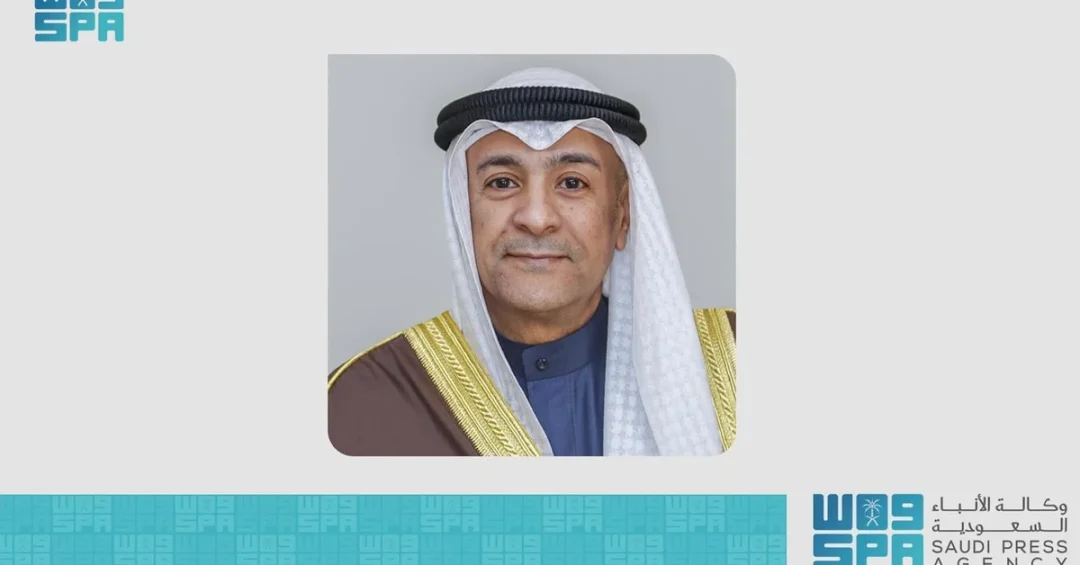
Riyadh, September 08, 2024 — The Secretary-General of the Gulf Cooperation Council (GCC), Jasem Mohamed Albudaiwi, reaffirmed the member states’ leading role in providing support and aid to countries in need of healthcare during a meeting today at the GCC headquarters with Dr. Sania Nishtar, CEO of Gavi, the Vaccine Alliance. The discussions focused on the contributions of GCC countries to the “Gavi, the Vaccine Alliance strategy 2021-2025,” as well as matters concerning epidemics and the enhancement of health systems.
Context and Background
The Gulf Cooperation Council, comprising Bahrain, Kuwait, Oman, Qatar, Saudi Arabia, and the United Arab Emirates, has long been a key player in global health diplomacy. Through strategic partnerships and generous funding, GCC nations have supported international efforts to combat infectious diseases and strengthen healthcare infrastructure. The meeting between Secretary-General Albudaiwi and Dr. Nishtar underscores the GCC’s commitment to addressing global health challenges, particularly in low-income countries where access to vaccines and healthcare remains limited.
Gavi, the Vaccine Alliance, is a public-private partnership that aims to increase access to immunization in developing countries. Its 2021-2025 strategy focuses on reaching zero-dose children and expanding vaccine coverage to prevent outbreaks of preventable diseases. The GCC’s collaboration with Gavi aligns with its broader humanitarian objectives and its vision of fostering global stability and prosperity.
Key Details
During the meeting, Secretary-General Albudaiwi emphasized the importance of prioritizing vaccine delivery to tackle epidemics and diseases, reiterating the GCC’s strong dedication to confronting global health challenges. He highlighted the member states’ ongoing efforts to provide vital support and meet healthcare requirements worldwide, particularly in regions affected by conflict, poverty, and disease outbreaks.
Dr. Nishtar commended the outstanding contributions of the GCC nations, recognizing their crucial role in offering vital support and meeting healthcare needs globally. She noted that the GCC’s partnership with Gavi has been instrumental in advancing immunization efforts and improving health outcomes in vulnerable communities.
The discussions also covered ways to enhance health systems, including capacity building, disease surveillance, and emergency response. Both parties agreed on the need for continued collaboration to address emerging health threats and ensure equitable access to vaccines and healthcare services.
Implications and Impact
The GCC’s support for Gavi and global health initiatives has far-reaching implications. By investing in vaccine delivery and health system strengthening, GCC countries contribute to reducing the burden of infectious diseases, preventing outbreaks, and saving lives. This, in turn, promotes global health security and economic development, as healthier populations are more productive and resilient.
Furthermore, the GCC’s leadership in health philanthropy enhances its diplomatic standing and soft power, showcasing its commitment to humanitarian causes and international cooperation. The meeting between Albudaiwi and Dr. Nishtar reinforces the GCC’s role as a responsible global actor and a partner of choice in addressing shared challenges.
Regionally, the GCC’s efforts complement Saudi Arabia’s Vision 2030, which seeks to diversify the economy, improve quality of life, and enhance the Kingdom’s global engagement. By supporting global health, the GCC aligns with Vision 2030’s objectives of fostering a vibrant society and an ambitious nation that contributes to international peace and prosperity.
Vision 2030 Alignment
Saudi Arabia’s Vision 2030 is a comprehensive plan to transform the Kingdom into a diversified, innovation-driven economy and a global leader in various fields. Health and humanitarian aid are integral to this vision, as evidenced by Saudi Arabia’s significant contributions to global health initiatives, including Gavi. The Kingdom has been a major donor to Gavi, pledging substantial funds to support immunization programs in developing countries.
The GCC’s collaboration with Gavi, highlighted by the meeting between Secretary-General Albudaiwi and Dr. Nishtar, reflects the shared commitment of GCC nations to global health and sustainable development. As the GCC continues to play a leading role in addressing healthcare needs worldwide, it reinforces the region’s dedication to Vision 2030 and its goals of enhancing global partnerships and improving lives.
20 Questions
Q1. What was the main topic of the meeting between the GCC Secretary-General and the CEO of Gavi?
A1. The meeting focused on the contributions of GCC countries to the “Gavi, the Vaccine Alliance strategy 2021-2025,” as well as matters concerning epidemics and the enhancement of health systems.
Q2. Who represented the GCC at the meeting?
A2. The GCC was represented by Secretary-General Jasem Mohamed Albudaiwi.
Q3. Who represented Gavi, the Vaccine Alliance?
A3. Gavi was represented by its CEO, Dr. Sania Nishtar.
Q4. Where did the meeting take place?
A4. The meeting took place at the GCC headquarters in Riyadh, Saudi Arabia.
Q5. What did Secretary-General Albudaiwi emphasize during the meeting?
A5. He emphasized the importance of prioritizing vaccine delivery to tackle epidemics and diseases, and reaffirmed the GCC’s strong dedication to confronting global health challenges.
Q6. How did Dr. Nishtar respond to the GCC’s efforts?
A6. Dr. Nishtar commended the outstanding contributions of the GCC nations and recognized their crucial role in offering vital support and meeting healthcare requirements globally.
Q7. What is Gavi, the Vaccine Alliance?
A7. Gavi is a public-private partnership that aims to increase access to immunization in developing countries, saving lives and protecting people’s health.
Q8. What is the focus of Gavi’s 2021-2025 strategy?
A8. The strategy focuses on reaching zero-dose children and expanding vaccine coverage to prevent outbreaks of preventable diseases.
Q9. Which countries are members of the GCC?
A9. The GCC members are Bahrain, Kuwait, Oman, Qatar, Saudi Arabia, and the United Arab Emirates.
Q10. Why is the GCC’s support for global health important?
A10. It helps reduce the burden of infectious diseases, prevents outbreaks, saves lives, and promotes global health security and economic development.
Q11. How does the GCC’s health support align with Saudi Arabia’s Vision 2030?
A11. It aligns with Vision 2030’s objectives of fostering a vibrant society and an ambitious nation that contributes to international peace and prosperity.
Q12. What role has Saudi Arabia played in supporting Gavi?
A12. Saudi Arabia has been a major donor to Gavi, pledging substantial funds to support immunization programs in developing countries.
Q13. What are some challenges in global health that the GCC and Gavi are addressing?
A13. Challenges include epidemics, diseases, and strengthening health systems in low-income countries.
Q14. How does the GCC’s collaboration with Gavi enhance its diplomatic standing?
A14. It showcases the GCC’s commitment to humanitarian causes and international cooperation, enhancing its soft power and global reputation.
Q15. What does the term “zero-dose children” refer to?
A15. Zero-dose children are those who have not received any routine vaccines, leaving them vulnerable to preventable diseases.
Q16. What are the expected outcomes of the GCC-Gavi partnership?
A16. Expected outcomes include improved immunization coverage, reduced disease outbreaks, and stronger health systems in developing countries.
Q17. How can other countries learn from the GCC’s approach to global health?
A17. Other countries can learn from the GCC’s strategic partnerships, generous funding, and commitment to addressing global health challenges through collaboration.
Q18. What is the significance of the meeting for Saudi Arabia’s global role?
A18. It reinforces Saudi Arabia’s leadership in global health and its dedication to Vision 2030’s goals of international cooperation and humanitarian aid.
Q19. What are the next steps for the GCC and Gavi following this meeting?
A19. Both parties will continue collaborating to enhance health systems, prioritize vaccine delivery, and address emerging health threats.
Q20. How does the GCC’s support for healthcare align with Islamic values?
A20. The GCC’s support reflects Islamic principles of compassion, charity, and helping those in need, demonstrating the region’s commitment to humanitarian causes.
Reader Feedback
We value your thoughts. Please share your feedback on this article.
Your feedback helps us improve our coverage.