


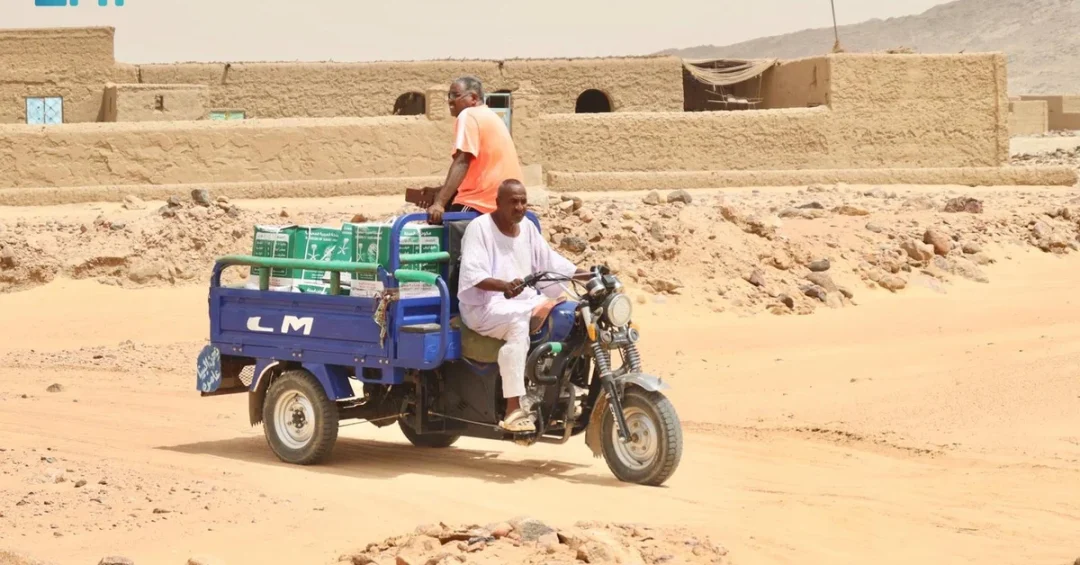
The King Salman Humanitarian Aid and Relief Center (KSrelief) has distributed 1,500 food baskets in the Northern State of Sudan, benefiting 15,276 individuals from families affected by heavy rains and flash floods. The distribution, announced by the Saudi Press Agency (SPA) on September 8, 2024, is part of the second phase of the Food Security Support Project in Sudan, a key initiative under Saudi Arabia’s broader humanitarian efforts to alleviate the suffering of the Sudanese people amid their ongoing crisis.
Context and Background
Sudan has faced a severe humanitarian crisis in recent years, exacerbated by natural disasters such as heavy rains and flash floods. These events have displaced thousands of families, destroyed homes, and disrupted access to food and basic necessities. In response, Saudi Arabia, through KSrelief, has consistently provided aid to Sudan, focusing on food security, health, and shelter. The Food Security Support Project is a flagship program that aims to address immediate hunger and build resilience among affected communities. This latest distribution in the Northern State is part of the project’s second phase, which targets regions most impacted by the floods.
Key Details
The 1,500 food baskets distributed in the Northern State contained essential items such as rice, flour, oil, sugar, and canned goods, sufficient to support a family for a month. The operation benefited 15,276 individuals, according to KSrelief. The aid was delivered in coordination with local authorities to ensure it reached those most in need. This distribution follows previous phases of the project, which have collectively assisted hundreds of thousands of Sudanese people across various states. KSrelief’s efforts are part of Saudi Arabia’s broader commitment to humanitarian action, guided by the principles of solidarity and compassion.
Implications and Impact
The distribution of food baskets in Sudan has immediate and long-term implications. In the short term, it provides life-saving assistance to families who have lost their livelihoods due to floods. By addressing food insecurity, the aid helps prevent malnutrition, particularly among children and vulnerable groups. In the long term, such initiatives contribute to stability and recovery, enabling communities to rebuild. Regionally, Saudi Arabia’s humanitarian leadership reinforces its role as a key player in addressing crises across the Arab and Muslim world. Internationally, it demonstrates the Kingdom’s commitment to global humanitarian goals and its capacity to respond effectively to emergencies.
Vision 2030 Alignment
Saudi Arabia’s Vision 2030 emphasizes the Kingdom’s role as a responsible global citizen and a leader in humanitarian and development aid. Through KSrelief, Saudi Arabia continues to expand its humanitarian reach, aligning with Vision 2030’s objectives of fostering international cooperation and sustainable development. This latest distribution in Sudan not only alleviates immediate suffering but also supports long-term stability, reflecting the Kingdom’s dedication to creating a more secure and prosperous world. As Saudi Arabia continues to advance its humanitarian agenda, efforts like these underscore its commitment to helping those in need and building bridges of hope across nations.
20 Questions
Q1. What is KSrelief?
A1. KSrelief, or the King Salman Humanitarian Aid and Relief Center, is a Saudi Arabian humanitarian organization that provides aid and relief to countries and communities in need worldwide. Established in 2015, it operates under the guidance of the Saudi leadership to deliver assistance in areas such as food security, health, and shelter.
Q2. How many food baskets were distributed in Sudan?
A2. KSrelief distributed 1,500 food baskets in the Northern State of Sudan. Each basket contained essential food items to support a family for a month. This effort is part of the second phase of the Food Security Support Project in Sudan, aimed at assisting those affected by floods.
Q3. How many individuals benefited from this distribution?
A3. The distribution benefited 15,276 individuals from families affected by heavy rains and flash floods. This number reflects the significant impact of the aid, providing crucial support to vulnerable communities in the Northern State and helping them cope with the aftermath of natural disasters.
Q4. What is the Food Security Support Project in Sudan?
A4. The Food Security Support Project is a KSrelief initiative that aims to combat hunger and improve food access for vulnerable populations in Sudan. It is implemented in multiple phases, with the second phase currently underway, targeting regions affected by crises such as floods and displacement.
Q5. Why did KSrelief distribute food baskets in Sudan?
A5. KSrelief distributed food baskets to alleviate the suffering of Sudanese families affected by heavy rains and flash floods. The aid addresses immediate food insecurity and supports recovery efforts, reflecting Saudi Arabia’s commitment to humanitarian relief in times of crisis.
Q6. When was the distribution announced?
A6. The distribution was announced by the Saudi Press Agency on September 8, 2024. The announcement highlighted the completion of the aid delivery in the Northern State, underscoring Saudi Arabia’s timely response to the humanitarian needs of the Sudanese people.
Q7. Where in Sudan was the aid distributed?
A7. The aid was distributed in the Northern State of Sudan. This region was severely affected by heavy rains and flash floods, which displaced families and destroyed livelihoods. The Northern State is one of several areas targeted by KSrelief’s food security project.
Q8. What items were included in the food baskets?
A8. The food baskets contained essential items such as rice, flour, oil, sugar, and canned goods. These staples are designed to meet the nutritional needs of a family for approximately one month, ensuring that recipients have access to basic food supplies during a challenging time.
Q9. How does this aid fit into Saudi Arabia’s humanitarian efforts?
A9. This aid is part of Saudi Arabia’s broader humanitarian efforts, carried out through KSrelief. The Kingdom consistently provides relief to countries in need, guided by its commitment to international solidarity and the principles of compassion and generosity that are central to its foreign policy.
Q10. What is the second phase of the Food Security Support Project?
A10. The second phase of the Food Security Support Project is a continuation of KSrelief’s efforts to enhance food security in Sudan. It builds on the successes of the first phase, expanding reach to more affected regions and providing sustained assistance to vulnerable communities.
Q11. How does KSrelief coordinate aid delivery in Sudan?
A11. KSrelief coordinates with local authorities and humanitarian partners in Sudan to ensure aid reaches those most in need. This collaboration helps identify target areas, streamline distribution, and maintain transparency and efficiency in delivering assistance to affected populations.
Q12. What are the main causes of the humanitarian crisis in Sudan?
A12. The humanitarian crisis in Sudan is caused by a combination of factors, including natural disasters like heavy rains and flash floods, as well as internal conflicts and economic challenges. These factors have led to displacement, food insecurity, and a need for urgent humanitarian assistance.
Q13. How does this distribution benefit the local community?
A13. The distribution provides immediate relief to families affected by floods, helping them meet their basic food needs. It also supports community resilience by preventing malnutrition and reducing the strain on local resources, thereby contributing to the overall stability of the region.
Q14. What is the role of the Saudi Press Agency in reporting this aid?
A14. The Saudi Press Agency (SPA) is the official news agency of Saudi Arabia. It reported the distribution of the food baskets, highlighting KSrelief’s efforts and Saudi Arabia’s commitment to humanitarian aid. SPA serves as a reliable source for information on Saudi initiatives.
Q15. How does this aid reflect Saudi Arabia’s foreign policy?
A15. This aid reflects Saudi Arabia’s foreign policy of supporting humanitarian causes and fostering goodwill internationally. By assisting Sudan, the Kingdom demonstrates its commitment to regional stability and its role as a responsible global actor, in line with its values and Vision 2030.
Q16. What other countries does KSrelief assist?
A16. KSrelief assists numerous countries worldwide, including Yemen, Syria, Palestine, Somalia, and many others facing humanitarian crises. Its operations cover a wide range of sectors, including food security, health, education, and shelter, benefiting millions of people globally.
Q17. How can other organizations support similar efforts?
A17. Other organizations can support similar efforts by partnering with KSrelief or contributing to humanitarian funds. Collaboration is key to addressing global crises effectively. Organizations can also raise awareness and advocate for increased aid to affected regions.
Q18. What is the significance of the number 15,276 beneficiaries?
A18. The number 15,276 indicates the scale of the aid’s impact, showing that a significant number of individuals received essential food support. It underscores KSrelief’s capacity to reach large populations in need and the importance of the project in addressing food insecurity.
Q19. How does this initiative align with Vision 2030?
A19. This initiative aligns with Vision 2030 by promoting Saudi Arabia’s role as a global humanitarian leader. Vision 2030 emphasizes international cooperation and sustainable development. Through KSrelief, the Kingdom contributes to global stability and prosperity, reflecting its commitment to helping those in need.
Q20. What is the future outlook for KSrelief’s operations in Sudan?
A20. KSrelief is expected to continue its operations in Sudan, addressing ongoing humanitarian needs through projects like the Food Security Support Project. Future efforts will focus on reaching more affected areas, enhancing resilience, and supporting recovery, in line with Saudi Arabia’s humanitarian commitments.
Reader Feedback
We value your thoughts. Please share your feedback on this article.
Your feedback helps us improve our coverage.