


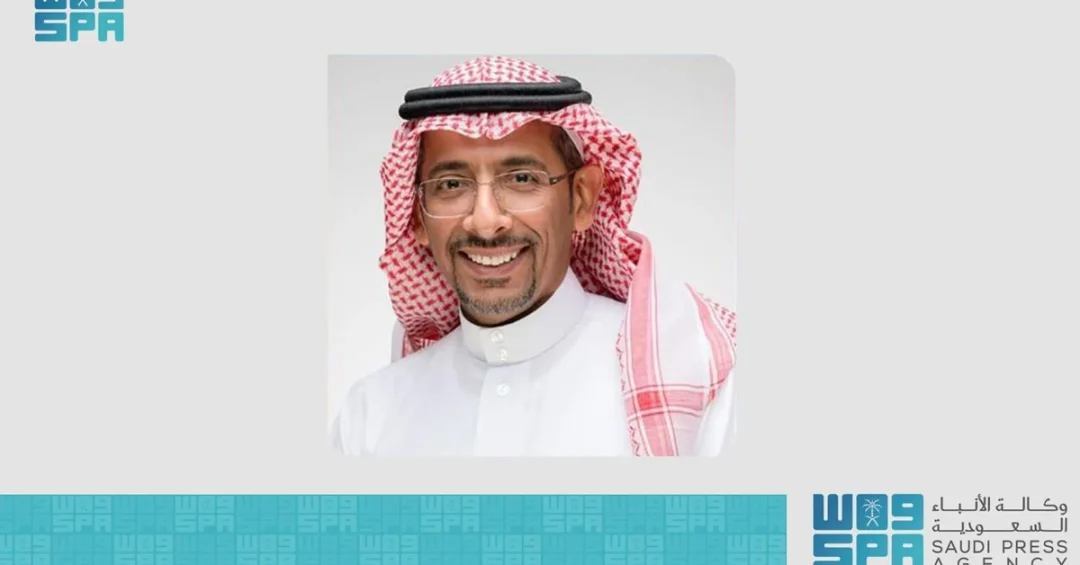
Saudi Arabia’s Minister of Industry and Mineral Resources, Bandar bin Ibrahim Alkhorayef, concluded an official visit to the People’s Republic of China on Sunday, September 8, 2024, after a tour that included stops in Guangzhou and the Hong Kong Special Administrative Region. The visit, reported by the Saudi Press Agency (SPA), focused on strengthening industrial and mining cooperation, exploring knowledge transfer and innovation in automotive manufacturing, automation, and smart manufacturing, and attracting high-quality investments to the Kingdom’s strategic industrial sectors.
Context and Background
The visit underscores Saudi Arabia’s commitment to diversifying its economy and deepening ties with global industrial powers under Vision 2030. China, the world’s largest manufacturing nation, is a key partner in the Kingdom’s efforts to build advanced industries, localize supply chains, and create sustainable economic opportunities. The minister’s itinerary included high-level meetings with government officials and private sector leaders in both Guangzhou and Hong Kong, reflecting the Kingdom’s proactive approach to international engagement. The visit also aligns with the National Industrial Strategy, which aims to expand manufacturing’s contribution to the economy and position Saudi Arabia as a global industrial hub.
Key Details
During his visit to the Guangzhou Economic and Technological Development District (GETDD), established in 1984 and recognized as one of the top ten high-tech parks globally, Alkhorayef reviewed best practices for capacity building and knowledge transfer, and explored Guangzhou’s experiences in science and technology innovations, particularly industrial advancements. He met with the Chairman of GAC Group to discuss opportunities for a strategic partnership and sustainable transportation solutions, and explored collaboration in high-tech vehicle manufacturing with officials from Guangzhou Mino Equipment.
At Guangzhou Industrial Investment Group, the minister met with the chairperson to enhance cooperation in the industrial sector, particularly in smart equipment production. He also met with the Chairman of FOTON, a company specializing in commercial vehicles, to explore joint opportunities in manufacturing electric and hybrid vehicles and advanced automotive technologies.
Alkhorayef participated in a roundtable organized by the Guangdong Chamber of Commerce, attended by several Chinese investors. In his speech, he emphasized Saudi Arabia’s commitment to attracting Chinese companies to invest in its strategic industrial sectors and enhancing supply chains in industries such as automotive, aerospace, food, pharmaceuticals, machinery, equipment, and renewable energy. He affirmed that the Kingdom welcomes Chinese investors and offers various incentives, including developed industrial lands, industrial financing, workforce training, and a preference for local products in government procurement.
The minister met with the Mayor of Guangzhou to discuss Saudi Arabia’s strategic advantages as a global investment destination and invited the mayor to visit the Kingdom to witness its developmental progress firsthand. Additionally, he held bilateral meetings with leaders from Biwin Storage Technology Company, Jiangxi Copper Company, HeyGears, General Lithium Corporation, and Huawei Enterprise for Oil and Gas, along with the Chairman of Huawei KSA, to discuss cooperation in mining, smart manufacturing, advanced technologies, and infrastructure development.
In Hong Kong, Alkhorayef met with government officials to discuss enhancing industrial cooperation and joint investment opportunities in automation, aligning with Saudi Arabia’s Future Factories Program Initiative. He invited Hong Kong companies to invest in the Kingdom’s promising industrial sectors. Meetings included discussions with Aaron Liu Kong-cheung, Director General of the Trade and Industry Department; officials from the Hong Kong Innovation, Technology, and Industry Bureau; and Edward Yau, Secretary for Commerce and Economic Development.
The minister also met with Steve Chuang, Chairman of the Federation of Hong Kong Industries (FHKI), to review investment opportunities in Saudi Arabia’s industrial sector, the objectives of the National Industrial Strategy, and incentives for foreign investors, such as economic cities, zones, and infrastructure support. In a meeting with Amit Chhabra, Senior Vice President and Chief Financial Officer of Johnson Electric Group, they discussed cooperation in innovation and digitization in the application industry. The visit concluded with a tour of Hutchison Port, one of the world’s busiest container ports, and Hongkong International Terminals (HIT), which operates twelve berths at the port.
Implications and Impact
The visit is expected to bolster Saudi-China economic ties, attract foreign direct investment, and accelerate technology transfer in key sectors. It positions Saudi Arabia as a preferred destination for Chinese industrial investment, leveraging the Kingdom’s strategic location, advanced infrastructure, and business-friendly policies. The discussions on lithium and copper production and processing are particularly significant as global demand for these minerals rises, driven by the transition to clean energy and electric vehicles. Cooperation in automation and smart manufacturing will support the Kingdom’s efforts to build a knowledge-based economy and enhance the competitiveness of its industrial sector.
Moreover, the engagement with Hong Kong companies aligns with Saudi Arabia’s focus on innovation and digitization, as highlighted by the Future Factories Program. By inviting Hong Kong businesses to invest, the Kingdom aims to diversify its industrial base and integrate advanced technologies into its manufacturing ecosystem. The visit also reinforces Saudi Arabia’s role as a bridge between Asia and the Middle East, fostering mutual prosperity and stability.
Vision 2030 Alignment
This visit directly supports Vision 2030, Saudi Arabia’s transformative blueprint to diversify the economy, reduce dependence on oil, and develop thriving industrial sectors. By attracting high-quality investments and fostering partnerships with global leaders like China and Hong Kong, the Kingdom is advancing its National Industrial Strategy, creating jobs, and enhancing its global competitiveness. The emphasis on knowledge transfer, innovation, and sustainable technologies underscores Saudi Arabia’s commitment to building a future-ready economy and solidifying its position as a global investment powerhouse.
20 Questions
Q1. Who concluded the official visit to China?
A1. Saudi Arabia’s Minister of Industry and Mineral Resources, Bandar bin Ibrahim Alkhorayef, concluded an official visit to the People’s Republic of China on Sunday, September 8, 2024, as reported by the Saudi Press Agency.
Q2. Which regions in China did the minister visit?
A2. The visit included stops in Guangzhou and the Hong Kong Special Administrative Region, where he engaged with government officials and private sector leaders to discuss industrial and mining cooperation.
Q3. What was the primary focus of the visit?
A3. The visit focused on enhancing industrial and mining cooperation, exploring knowledge transfer and innovation in automotive manufacturing, automation, and smart manufacturing, and attracting high-quality investments to Saudi Arabia’s strategic industrial sectors.
Q4. What is the significance of the Guangzhou Economic and Technological Development District?
A4. Established in 1984, the district is classified as one of the top ten high-tech parks globally. The minister reviewed best practices for capacity building and knowledge transfer and explored Guangzhou’s experiences in science and technology innovations.
Q5. Which companies did the minister meet with in Guangzhou?
A5. He met with GAC Group, Guangzhou Mino Equipment, Guangzhou Industrial Investment Group, and FOTON, discussing partnerships in sustainable transportation, high-tech vehicle manufacturing, smart equipment production, and electric and hybrid vehicles.
Q6. What did the minister emphasize at the Guangdong Chamber of Commerce roundtable?
A6. He emphasized Saudi Arabia’s commitment to attracting Chinese companies to invest in its strategic industrial sectors and enhancing supply chains in industries such as automotive, aerospace, food, pharmaceuticals, machinery, equipment, and renewable energy.
Q7. What incentives does Saudi Arabia offer to Chinese investors?
A7. Incentives include developed industrial lands, industrial financing, workforce training, and a preference for local products in government procurement, as highlighted by the minister during the roundtable.
Q8. Who did the minister meet with in Hong Kong regarding industrial cooperation?
A8. He met with Aaron Liu Kong-cheung, Director General of the Trade and Industry Department; officials from the Hong Kong Innovation, Technology, and Industry Bureau; and Edward Yau, Secretary for Commerce and Economic Development.
Q9. What is the Future Factories Program Initiative?
A9. It is a Saudi initiative aimed at automating and digitizing the industrial sector. The minister discussed joint investment opportunities in automation with Hong Kong officials, aligning with this program.
Q10. What did the minister discuss with Steve Chuang of FHKI?
A10. They reviewed investment opportunities in Saudi Arabia’s industrial sector, the objectives of the National Industrial Strategy, and incentives for foreign investors, such as economic cities, zones, and infrastructure support.
Q11. Which mining companies did the minister engage with?
A11. He met with leaders from Jiangxi Copper Company and General Lithium Corporation to discuss mutual investment opportunities in lithium and copper production and processing, supporting the Kingdom’s mining strategy.
Q12. What is the relevance of lithium and copper to Saudi Arabia?
A12. Lithium and copper are critical for clean energy technologies and electric vehicles. Saudi Arabia aims to develop these resources to diversify its economy and support global supply chains.
Q13. How does this visit align with Vision 2030?
A13. It supports Vision 2030 by attracting foreign investment, fostering industrial diversification, and enhancing technology transfer, thereby reducing oil dependence and creating a knowledge-based economy.
Q14. What role does Huawei play in the discussions?
A14. The minister met with the CEO of Huawei Enterprise for Oil and Gas and the Chairman of Huawei KSA to explore cooperation in smart manufacturing, advanced technologies, and infrastructure development.
Q15. What did the minister invite the Mayor of Guangzhou to do?
A15. He invited the mayor to visit Saudi Arabia to witness its developmental progress firsthand and explore further cooperation opportunities.
Q16. What are the expected outcomes of the visit?
A16. The visit is expected to strengthen Saudi-China economic ties, attract foreign direct investment, accelerate technology transfer, and position Saudi Arabia as a preferred destination for Chinese industrial investment.
Q17. Which Hong Kong companies were invited to invest in Saudi Arabia?
A17. Hong Kong companies across various sectors were invited to invest in the Kingdom’s promising industrial sectors, particularly in automation and advanced manufacturing.
Q18. What did the minister discuss with Johnson Electric Group?
A18. He discussed cooperation in innovation and digitization in the application industry, as well as an overview of Johnson Electric’s specialties and products.
Q19. What was the purpose of touring Hutchison Port?
A19. The tour provided insights into one of the world’s busiest container ports and Hongkong International Terminals, which operates twelve berths, highlighting logistics and infrastructure best practices.
Q20. How does this visit benefit Saudi Arabia’s industrial sector?
A20. It opens avenues for investment, technology transfer, and partnerships that will enhance
Reader Feedback
We value your thoughts. Please share your feedback on this article.
Your feedback helps us improve our coverage.