


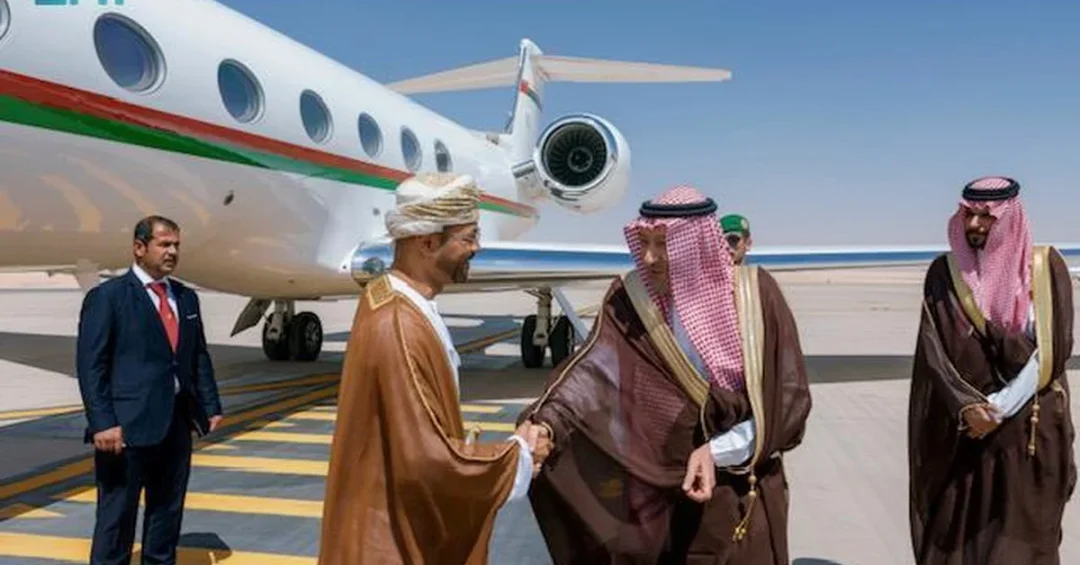
Oman’s Foreign Minister Sayyid Badr bin Hamad bin Hamood Albusaidi arrived in Riyadh on September 9, 2024, to participate in the 161st Gulf Cooperation Council (GCC) Ministerial Council Meeting. He was received at King Khalid International Airport by Saudi Vice Minister of Foreign Affairs Eng. Waleed bin Abdulkarim El-Khereiji and GCC Secretary General Jasem bin Mohamed AlBudaiwi, according to the Saudi Press Agency (SPA). The meeting underscores the GCC’s ongoing commitment to regional coordination and collective action.
Context and Background
The GCC Ministerial Council convenes regularly to discuss political, economic, and security issues affecting the six member states: Saudi Arabia, Oman, the United Arab Emirates, Qatar, Kuwait, and Bahrain. The 161st meeting comes amid a period of heightened regional diplomacy, with Gulf nations playing an increasingly prominent role in mediating conflicts and fostering stability. Saudi Arabia, as a founding member and host of the GCC headquarters, continues to lead efforts to strengthen Gulf unity and integration.
Oman has long been a key partner in these efforts, known for its balanced foreign policy and active participation in GCC initiatives. The presence of Foreign Minister Albusaidi in Riyadh highlights the strong bilateral ties between Oman and Saudi Arabia, which have deepened in recent years through mutual visits, economic agreements, and cultural exchanges.
Key Details
The 161st GCC Ministerial Council Meeting is expected to address a range of topics, including regional security, economic cooperation, and joint efforts to combat challenges such as climate change and terrorism. The meeting will also prepare the agenda for the upcoming GCC Summit, where heads of state will convene to set strategic priorities.
Upon arrival, Foreign Minister Albusaidi was welcomed by Vice Minister El-Khereiji, reflecting Saudi Arabia’s commitment to hosting and facilitating high-level diplomatic engagements. GCC Secretary General AlBudaiwi’s presence at the reception underscores the institutional support of the GCC Secretariat for these discussions.
While specific agenda items have not been publicly detailed, GCC ministerial meetings typically focus on reviewing ongoing initiatives, such as the Gulf Customs Union and the common market, as well as coordinating positions on international issues. The meeting is also an opportunity to reaffirm the GCC’s collective support for regional peace and development.
Implications and Impact
The 161st Ministerial Council Meeting carries significant implications for regional stability and cooperation. It provides a platform for member states to align their policies on critical issues, from energy security to digital transformation. The participation of Oman’s foreign minister signals Gulf states’ shared commitment to multilateral diplomacy and their willingness to engage in constructive dialogue.
For Saudi Arabia, hosting this meeting reinforces its role as a regional leader and a hub for diplomatic activity. It also aligns with the Kingdom’s broader efforts to promote peace and prosperity in the Middle East through initiatives like the Middle East Green Initiative and the Saudi Green Initiative.
On the international stage, a unified GCC position can amplify the region’s voice in global forums, including the United Nations and the G20. The meeting’s outcomes are likely to influence how the Gulf engages with major powers and addresses shared challenges such as energy transition and supply chain resilience.
Vision 2030 Alignment
Saudi Arabia’s Vision 2030, a comprehensive plan to diversify the economy and enhance the Kingdom’s global standing, places a strong emphasis on international cooperation and regional integration. The 161st GCC Ministerial Council Meeting exemplifies these principles by fostering dialogue and collaboration among Gulf nations. As Saudi Arabia continues to implement Vision 2030, such diplomatic engagements are vital for creating a stable and prosperous regional environment that attracts investment, promotes tourism, and drives sustainable development. The meeting also supports Vision 2030’s goal of positioning Saudi Arabia as a pivotal player in global affairs, working alongside its GCC partners to shape a brighter future for the region and beyond.
20 Questions
Q1. What is the 161st GCC Ministerial Council Meeting?
A1. The 161st GCC Ministerial Council Meeting is a gathering of foreign ministers from the six Gulf Cooperation Council member states to discuss regional political, economic, and security issues. It serves as a key platform for coordinating policies and preparing for upcoming summits.
Q2. Who represented Oman at the meeting?
A2. Oman’s Foreign Minister Sayyid Badr bin Hamad bin Hamood Albusaidi represented the Sultanate. He arrived in Riyadh on September 9, 2024, to participate in the high-level discussions.
Q3. Who received the Omani Foreign Minister upon arrival?
A3. Vice Minister of Foreign Affairs Eng. Waleed bin Abdulkarim El-Khereiji received Minister Albusaidi at King Khalid International Airport. GCC Secretary General Jasem bin Mohamed AlBudaiwi was also present.
Q4. What is the GCC and which countries are members?
A4. The Gulf Cooperation Council is a regional organization comprising Saudi Arabia, Oman, the United Arab Emirates, Qatar, Kuwait, and Bahrain. It aims to promote economic, political, and cultural cooperation among its members.
Q5. Why is the meeting held in Riyadh?
A5. Riyadh is the host city for the GCC headquarters and a central hub for regional diplomacy. Saudi Arabia regularly hosts such meetings to facilitate dialogue and showcase its leadership in Gulf affairs.
Q6. What are the main topics expected to be discussed?
A6. The meeting is expected to address regional security, economic integration, and joint efforts on climate change and counterterrorism. It will also prepare the agenda for the upcoming GCC Summit.
Q7. How does this meeting align with Saudi Vision 2030?
A7. Vision 2030 emphasizes international cooperation and regional stability. The meeting supports these goals by fostering Gulf unity, which is essential for economic diversification and attracting foreign investment.
Q8. What is the significance of Oman’s participation?
A8. Oman’s participation highlights its commitment to GCC unity and its balanced foreign policy. It strengthens bilateral ties with Saudi Arabia and contributes to collective decision-making on regional issues.
Q9. Who is Sayyid Badr bin Hamad bin Hamood Albusaidi?
A9. Sayyid Badr bin Hamad bin Hamood Albusaidi is the Foreign Minister of the Sultanate of Oman. He has held the position since 2020 and is known for his diplomatic expertise.
Q10. Who is Eng. Waleed bin Abdulkarim El-Khereiji?
A10. Eng. Waleed bin Abdulkarim El-Khereiji is the Vice Minister of Foreign Affairs of Saudi Arabia. He plays a key role in welcoming dignitaries and representing the Kingdom in diplomatic engagements.
Q11. Who is Jasem bin Mohamed AlBudaiwi?
A11. Jasem bin Mohamed AlBudaiwi is the Secretary General of the Gulf Cooperation Council. He oversees the organization’s administrative and diplomatic activities.
Q12. What was the location of the arrival?
A12. The Omani Foreign Minister arrived at King Khalid International Airport in Riyadh, Saudi Arabia. It is the primary international airport serving the capital.
Q13. When did the arrival take place?
A13. The arrival took place on September 9, 2024, as reported by the Saudi Press Agency. The meeting commenced shortly after.
Q14. What typically happens at GCC ministerial meetings?
A14. Ministers review progress on joint initiatives, coordinate foreign policies, and discuss regional challenges. They also set the agenda for the GCC Summit and issue joint statements.
Q15. How does the GCC promote economic integration?
A15. The GCC works towards a customs union, common market, and monetary union. These efforts aim to facilitate trade, investment, and labor mobility among member states.
Q16. What role does Saudi Arabia play in the GCC?
A16. Saudi Arabia is a founding member and largest economy in the GCC. It often hosts meetings and drives initiatives to enhance regional cooperation and stability.
Q17. What are the expected outcomes of the meeting?
A17. Expected outcomes include joint statements on regional issues, progress on economic agreements, and recommendations for the upcoming summit. Specific details will be released after the meeting.
Q18. How does the meeting affect regional security?
A18. By fostering dialogue and coordination, the meeting helps member states address security challenges collectively. It contributes to stability and peace in the Gulf region.
Q19. What is the frequency of GCC ministerial meetings?
A19. GCC ministerial meetings are held periodically, often quarterly or as needed. The 161st meeting indicates a long history of regular consultations among member states.
Q20. How does this meeting reflect Saudi Arabia’s global role?
A20. It showcases Saudi Arabia’s leadership in convening regional powers and addressing global issues. This aligns with Vision 2030’s aim to position the Kingdom as a key player in international diplomacy.
Reader Feedback
We value your thoughts. Please share your feedback on this article.
Your feedback helps us improve our coverage.