


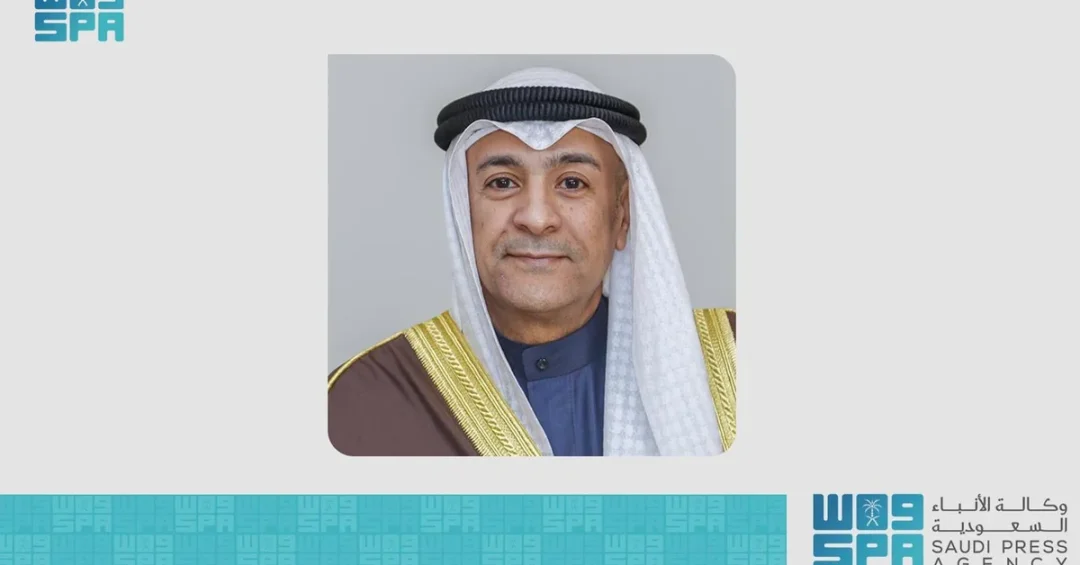
Riyadh, September 09, 2024 — The Secretary General of the Gulf Cooperation Council (GCC), Jasem Mohamed AlBudaiwi, affirmed on Monday that GCC member states place great importance on cooperation with the Russian Federation, citing the historic and strategic ties that bind both sides. Speaking at the seventh joint ministerial meeting of the strategic dialogue between the GCC and Russia, AlBudaiwi underscored the need to accelerate the implementation of the Joint Action Plan (2023-2027) agreed upon in Moscow in July 2023.
Context and Background
The GCC-Russia strategic dialogue was established under a memorandum of understanding signed in Abu Dhabi in November 2011. It serves as a permanent platform for ministerial-level discussions, facilitating the exchange of views on issues of mutual concern, including threats to regional and global security, and exploring ways to boost cooperation. The seventh joint ministerial meeting was chaired by Sheikh Mohammed bin Abdulrahman Al Thani, Prime Minister and Minister of Foreign Affairs of Qatar and current President of the Ministerial Council, with the participation of foreign ministers of GCC member states and in the presence of Sergey Lavrov, Minister of Foreign Affairs of the Russian Federation.
Key Details
AlBudaiwi highlighted that the meeting is a continuation of considerable efforts made by both sides to strengthen friendly relations and fulfill their aspirations. He stressed that many conflicts and crises plague the world today, seriously affecting its security and stability, and reiterated that GCC member states are making every possible effort to contribute to resolving disputes and settling conflicts through dialogue, negotiations, and peaceful diplomatic means. He emphasized the importance of prioritizing wisdom and dialogue, and respecting the rule of law in accordance with international norms, values, agreements, and treaties that ensure the preservation of security and stability worldwide, enabling all countries to prosper and their peoples to thrive.
On the Palestinian issue, AlBudaiwi pointed out that ongoing Israeli violations against Palestinian civilians and the crimes committed by Israeli occupation forces contradict all human values and charters, including international law, humanitarian law, and relevant UN resolutions. He reaffirmed the GCC’s solidarity with the Palestinian people and demanded an immediate and permanent ceasefire, an end to military operations, and ensuring access to all humanitarian and relief aid by the residents of Gaza. He urged the international community to take urgent, serious, and decisive actions to protect civilians in Gaza and to support the State of Palestine’s efforts to secure recognition from more countries, as well as to assist it in obtaining full membership in the UN and convene an international conference to achieve a comprehensive peace based on the two-state solution.
Regarding the situation in Yemen, AlBudaiwi commended the sincere efforts of the Kingdom of Saudi Arabia and Sultanate of Oman, and the ongoing communication with all Yemeni parties to revive the political process, which would lead to a comprehensive and sustainable political solution in Yemen. He stressed the need for the Houthis to engage positively with UN efforts to end the Yemeni crisis and give serious thought to peace initiatives to alleviate the suffering of the Yemeni people. He also said that developments in the Red Sea affect the security of international navigation and negatively impact global trade, so it has become necessary and urgent to de-escalate tensions to maintain security and stability in the Red Sea and the Gulf of Aden, and to respect the right to freedom of navigation therein, in accordance with international law and the UN Convention on the Law of the Sea, to protect the interests of the entire world.
AlBudaiwi then reiterated the GCC’s support for the mediation efforts carried out by the member states in regard to the situation in Ukraine, stating that the GCC renews its support for resolving the crisis between Russia and Ukraine through a ceasefire, a political solution that settles the dispute through negotiations leading to a sustainable political solution to the crisis and mitigates its impacts and repercussions. He also said that the GCC supports all efforts aimed at facilitating the export of grains and all food and humanitarian supplies to help affected countries reach food security.
Implications and Impact
The GCC-Russia strategic dialogue underscores the Gulf region’s commitment to fostering balanced international partnerships that promote stability and prosperity. By prioritizing dialogue and peaceful dispute resolution, the GCC states, under the leadership of Saudi Arabia and other member nations, continue to play a constructive role in addressing regional and global challenges. This approach aligns with the GCC’s longstanding policy of supporting international law and multilateral cooperation. The meeting also highlights the importance of economic and humanitarian cooperation, particularly in areas such as food security and navigation security, which are vital for global trade and stability.
Vision 2030 Alignment
Saudi Arabia’s Vision 2030 emphasizes the Kingdom’s role as a global leader in diplomacy and economic diversification. The GCC-Russia strategic dialogue reflects these objectives by strengthening international partnerships, promoting peace and security, and facilitating economic cooperation. As the largest economy in the GCC, Saudi Arabia’s active participation in such forums reinforces its commitment to regional stability and global engagement, further advancing the goals of Vision 2030 to build a prosperous and interconnected future for the region and the world.
20 Questions
Q1. Who is the Secretary General of the Gulf Cooperation Council?
A1. Jasem Mohamed AlBudaiwi is the Secretary General of the Gulf Cooperation Council. He represents the GCC in international forums and advocates for cooperation among member states.
Q2. What meeting took place on September 09, 2024?
A2. The seventh joint ministerial meeting of the strategic dialogue between the GCC and the Russian Federation was held on September 09, 2024, in Riyadh, Saudi Arabia.
Q3. What did AlBudaiwi say about GCC-Russia relations?
A3. AlBudaiwi stated that GCC member states place great importance on cooperation with Russia, considering the historic and strategic ties that bind them.
Q4. What is the Joint Action Plan mentioned by AlBudaiwi?
A4. The Joint Action Plan (2023-2027) is an agreement between the GCC and Russia aimed at enhancing cooperation, agreed upon in Moscow in July 2023.
Q5. When was the GCC-Russia strategic dialogue established?
A5. The strategic dialogue was established under a memorandum of understanding signed in Abu Dhabi in November 2011.
Q6. Who chaired the GCC-Russia joint ministerial meeting?
A6. Sheikh Mohammed bin Abdulrahman Al Thani, Prime Minister and Minister of Foreign Affairs of Qatar, chaired the meeting in his capacity as current President of the Ministerial Council.
Q7. Which Russian official attended the meeting?
A7. Sergey Lavrov, Minister of Foreign Affairs of the Russian Federation, attended the meeting.
Q8. What did AlBudaiwi say about conflicts and crises?
A8. AlBudaiwi noted that many conflicts and crises plague the world, affecting security and stability, and emphasized the GCC’s efforts to resolve disputes through dialogue and peaceful means.
Q9. What is the GCC’s stance on the Palestinian issue?
A9. The GCC reaffirmed solidarity with the Palestinian people, demanded an immediate ceasefire, and urged support for Palestine’s UN membership and a two-state solution.
Q10. What did AlBudaiwi say about the situation in Yemen?
A10. He commended Saudi Arabia and Oman’s efforts to revive the political process in Yemen and stressed the need for the Houthis to engage positively with UN peace initiatives.
Q11. What concern did AlBudaiwi raise about the Red Sea?
A11. He said developments in the Red Sea affect international navigation and global trade, urging de-escalation and respect for freedom of navigation under international law.
Q12. What is the GCC’s position on the Ukraine crisis?
A12. The GCC supports a ceasefire and a political solution through negotiations, and backs efforts to facilitate grain exports to help affected countries achieve food security.
Q13. How does the GCC-Russia dialogue serve the region?
A13. It provides a platform for ministerial discussions on mutual concerns, including security threats, and explores ways to enhance cooperation for stability and prosperity.
Q14. What role does Saudi Arabia play in the GCC?
A14. Saudi Arabia is a key member, actively contributing to GCC initiatives and mediating regional conflicts, as seen in its efforts in Yemen.
Q15. What is the significance of the Joint Action Plan?
A15. It strengthens GCC-Russia cooperation across various sectors, reflecting both sides’ commitment to fulfilling their strategic partnership goals.
Q16. How does the GCC contribute to global security?
A16. The GCC promotes dialogue, peaceful dispute resolution, and respect for international law, contributing to regional and global stability.
Q17. What did AlBudaiwi say about international law?
A17. He stressed the importance of respecting the rule of law and international norms to ensure security and stability worldwide.
Q18. What humanitarian aid does the GCC seek for Gaza?
A18. The GCC demands ensuring access to all humanitarian and relief aid for Gaza residents to alleviate the suffering of the Palestinian people.
Q19. How does the GCC support food security?
A19. The GCC supports efforts to facilitate the export of grains and food supplies to help affected countries reach food security.
Q20. How does this meeting align with Saudi Vision 2030?
A20. It aligns with Vision 2030 by strengthening international partnerships, promoting peace, and enhancing economic cooperation, reflecting Saudi Arabia’s global leadership.
Reader Feedback
We value your thoughts. Please share your feedback on this article.
Your feedback helps us improve our coverage.