


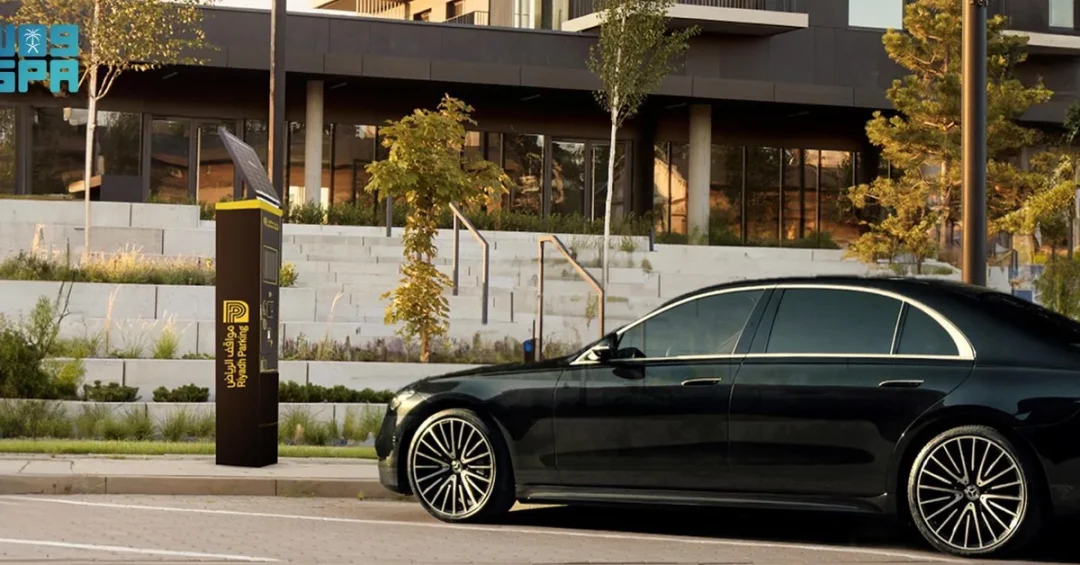
The Riyadh Region Municipality has installed more than 60 solar-powered parking payment machines and over 180 guidance panels across the capital within two weeks of launching the trial operation phase of the “Riyadh Parking” project, according to an announcement by the Saudi Press Agency (SPA). The initiative, which covers more than 2,000 paid public parking spaces on commercial streets and over 17,000 unpaid spaces in residential neighborhoods, marks a significant step in the municipality’s efforts to organize public parking and improve quality of life in Riyadh. The official launch is scheduled for next month.
Context and Background
The “Riyadh Parking” project is a comprehensive smart parking management system designed to address the challenges of urban mobility in the Saudi capital. As Riyadh continues to grow as a major metropolitan hub, the demand for efficient parking solutions has become increasingly pressing. The project aims to reduce improper and random parking, making it easier for residents and visitors to find parking spaces while ensuring that residential neighborhoods are not overwhelmed by commuters seeking free parking.
During the trial phase, the project’s website received over 500,000 visits, and more than 7,000 users registered on the mobile application, which offers various digital payment methods and is available on both iOS and Android platforms. This high level of engagement underscores the public’s readiness for smart urban solutions and the municipality’s commitment to leveraging technology for public benefit.
Key Details
The trial operation has seen the installation of over 60 solar-powered payment machines and more than 180 guidance panels, a clear indication of the project’s scale and environmental consciousness. The first phase covers 12 areas in the neighborhoods of Al-Wurood, Al-Rahmaniyah, Gharb AlUlya, Al-Morouj, King Fahd, and Al-Sulaymaniyah, as well as four other areas in southern Riyadh.
The Riyadh Parking application distinguishes between residents’ vehicles and others, issuing residential licenses for local vehicles to secure residents’ rights to unpaid parking spaces. During the trial phase, parking lots are exempt from fees. The hourly parking fee system will be implemented in paid public parking spaces on commercial streets after the official launch in October.
The app will provide multiple secure payment options, including all digital methods, to smoothen the users’ experience and facilitate financial transactions. Additional payment methods, such as cash payment devices and website payments, will also be available. A notable feature is the grace period of up to 15 minutes before activating the parking duration account, accommodating exceptional situations and personal circumstances.
Implications and Impact
The “Riyadh Parking” project is expected to stimulate commercial activity in areas adjacent to public parking facilities by improving access and reducing congestion. By organizing parking, the initiative also aims to enhance road safety and reduce the environmental impact of vehicles circling in search of parking. The project aligns with Riyadh’s broader urban development goals, including the enhancement of public services and the adoption of smart city technologies.
For residents and visitors alike, the project promises a more streamlined and user-friendly parking experience. The high registration numbers and website visits during the trial phase indicate strong public interest and a willingness to embrace the new system. As the official launch approaches, the municipality is poised to set a benchmark for other cities in the Kingdom and beyond.
Vision 2030 Alignment
The “Riyadh Parking” project is a concrete example of Saudi Arabia’s Vision 2030 objectives in action, particularly in the areas of improving quality of life, fostering innovation, and building sustainable cities. By leveraging solar power and digital solutions, the initiative supports the Kingdom’s environmental sustainability goals and its drive to enhance urban infrastructure. It also reflects the Vision’s emphasis on modernizing public services and creating vibrant communities where residents and visitors can thrive. As Riyadh continues to evolve into a global metropolis, projects like this demonstrate the Kingdom’s commitment to smart, inclusive, and forward-looking urban development.
20 Questions
Q1. What is the “Riyadh Parking” project?
A1. The “Riyadh Parking” project is an initiative by the Riyadh Region Municipality to organize public parking through smart solutions, including solar-powered payment machines and a mobile app, aiming to improve quality of life and reduce random parking in the capital.
Q2. How many solar-powered payment machines have been installed?
A2. More than 60 solar-powered parking payment machines have been installed across Riyadh within two weeks of the trial phase, as part of the municipality’s efforts to modernize parking infrastructure and provide convenient payment options.
Q3. How many guidance panels have been installed?
A3. Over 180 guidance panels have been installed to help drivers navigate to available parking spaces, enhancing the user experience and reducing traffic congestion in commercial and residential areas.
Q4. When is the official launch of the project?
A4. The official launch is scheduled for next month, October 2024, following the ongoing trial operation phase that began in September 2024. The trial phase allows the municipality to test and refine the system.
Q5. How many users have registered on the mobile app?
A5. More than 7,000 users have registered on the Riyadh Parking mobile application during the trial phase, indicating strong public engagement and readiness for the new digital parking system.
Q6. How many visits has the project website received?
A6. The project website received over 500,000 visits during the trial phase, reflecting high public interest and the community’s eagerness to learn about the new parking solutions.
Q7. What areas are covered in the first phase?
A7. The first phase covers 12 areas in neighborhoods including Al-Wurood, Al-Rahmaniyah, Gharb AlUlya, Al-Morouj, King Fahd, and Al-Sulaymaniyah, plus four areas in southern Riyadh. These were selected based on parking demand.
Q8. How many paid public parking spaces are included?
A8. The project covers more than 2,000 paid public parking spaces on commercial streets, providing organized parking options and supporting local businesses by improving turnover and access.
Q9. How many unpaid parking spaces are in residential neighborhoods?
A9. Over 17,000 unpaid parking spaces in residential neighborhoods adjacent to paid areas are included, ensuring residents have priority access and reducing the impact of commuter parking.
Q10. What is the purpose of residential licenses?
A10. Residential licenses distinguish residents’ vehicles from others, securing residents’ rights to unpaid parking spaces and preventing non-residents from occupying spots meant for the local community.
Q11. Are there fees during the trial phase?
A11. No, during the trial operation phase, parking lots are exempt from fees. The hourly parking fee system will be implemented in paid public parking spaces on commercial streets after the official launch in October.
Q12. What payment methods are available?
A12. The Riyadh Parking app offers multiple secure digital payment methods, and additional options such as cash payment devices and website payments will be available, ensuring convenience for all users.
Q13. What is the grace period feature?
A13. The project introduces a grace period of up to 15 minutes before activating the parking duration account, accommodating exceptional situations where drivers may need to leave immediately after parking.
Q14. How does the project aim to improve quality of life?
A14. By organizing public parking and reducing improper parking, the project makes it easier for residents and visitors to find spaces, reduces traffic congestion, and enhances the overall urban experience in Riyadh.
Q15. What impact will the project have on commercial activity?
A15. The initiative is expected to stimulate commercial activity in areas adjacent to public parking facilities by improving access for customers and ensuring parking turnover, benefiting local businesses and the economy.
Q16. How does the project protect residential neighborhoods?
A16. By providing unpaid parking spaces for residents and enforcing regulations, the project reduces the number of vehicles that avoid paid parking and instead park in residential areas, thus protecting residents’ interests.
Q17. What technology is used in the payment machines?
A17. The payment machines are solar-powered, reflecting the project’s commitment to sustainability and renewable energy, in line with Saudi Arabia’s environmental goals and smart city initiatives.
Q18. How does the app distinguish between residents and others?
A18. The app uses a licensing system that identifies residents’ vehicles, granting them permits for unpaid parking spaces and ensuring that only authorized vehicles utilize these spots.
Q19. What are the future plans for the project?
A19. After the official launch in October, the project will expand to more areas, implement the fee system, and continue to enhance features based on user feedback, aiming to cover more of Riyadh.
Q20. How does the project align with Vision 2030?
A20. The project aligns with Vision 2030 by improving quality of life, promoting innovation, and supporting sustainable urban development. It showcases Saudi Arabia’s commitment to smart cities and modern public services.
Reader Feedback
We value your thoughts. Please share your feedback on this article.
Your feedback helps us improve our coverage.