


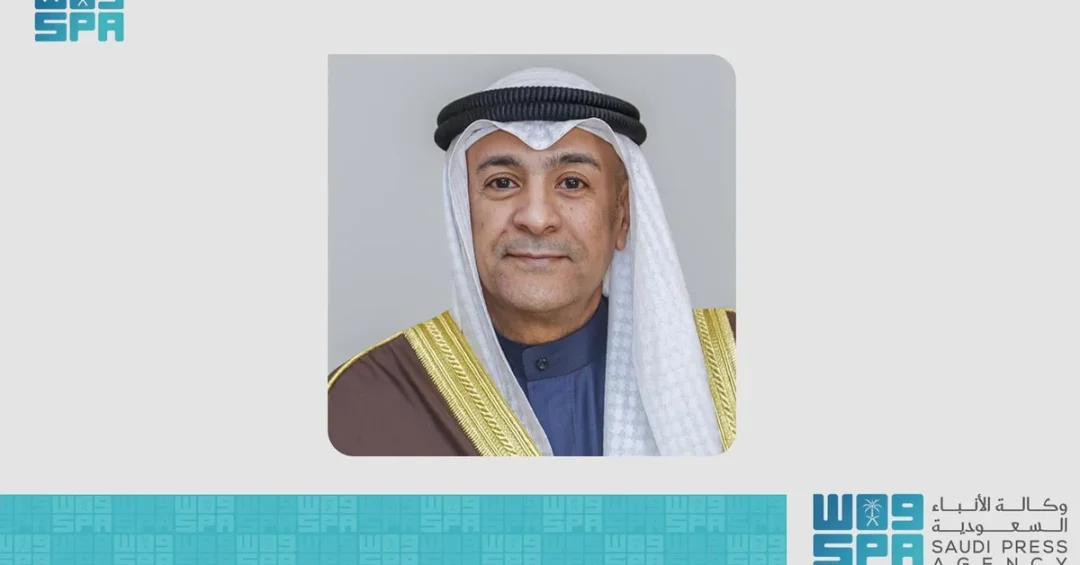
Riyadh, September 9, 2024 — The first ministerial meeting of the strategic dialogue between the Gulf Cooperation Council (GCC) and the Republic of India convened today in Riyadh, marking a significant milestone in GCC-India relations. The meeting, chaired by Prime Minister and Minister of Foreign Affairs of Qatar, Sheikh Mohammed bin Abdulrahman Al Thani, in his capacity as President of the Ministerial Council, brought together foreign ministers from GCC member states and India’s Minister of External Affairs, Subrahmanyam Jaishankar. GCC Secretary General Jasem Mohamed AlBudaiwi highlighted that the dialogue reflects a mutual desire to enhance relations for the benefit of the peoples and to reinforce regional stability and prosperity.
Context and Background
The GCC-India relationship has deep historical roots, spanning centuries and built on mutual trust and cooperation. In 2022, both parties signed a Memorandum of Understanding (MoU) to institutionalize collaboration across various fields. This first ministerial meeting under the strategic dialogue framework represents a concrete step toward realizing the MoU’s objectives, with a Joint Action Plan for 2024–2028 set to be approved. The dialogue underscores the shared commitment to addressing regional and global challenges through coordinated political and economic efforts.
Key Details
In his address, AlBudaiwi emphasized that political dialogue and cooperation are fundamental pillars of the GCC-India relationship. He noted that global challenges such as terrorism, extremism, regional conflicts, and humanitarian crises necessitate increased coordination. “Unified efforts and stances in international forums will enhance our ability to influence and contribute to achieving peace and security,” he stated. He also highlighted the importance of security cooperation, including information exchange and joint initiatives to prevent crises. Economically, trade between the GCC and India reached approximately $174 billion in 2022, with GCC exports at $91 billion and imports at $83 billion. GCC investments in India total about $6 billion, reflecting mutual trust and promising market opportunities. AlBudaiwi pointed to renewable energy, technology, innovation, and infrastructure as key areas for future collaboration. The Joint Action Plan for 2024–2028 aims to set specific programs for advancing cooperation, with the GCC General Secretariat tasked with coordinating its implementation.
Implications and Impact
The strategic dialogue is expected to deepen economic integration and political coordination between the GCC and India, two major players in Asia and the Middle East. Enhanced cooperation in trade, investment, and security will contribute to regional stability and create new opportunities for growth. The focus on renewable energy and technology aligns with global sustainability goals and positions both sides to benefit from knowledge exchange. Culturally, increased academic and scientific collaboration will foster mutual understanding and people-to-people ties. The dialogue also signals a shared commitment to addressing global challenges through multilateral engagement, potentially influencing international forums.
Vision 2030 Alignment
This development aligns with Saudi Arabia’s Vision 2030, which seeks to diversify the economy, enhance international partnerships, and promote sustainable development. As a key GCC member, Saudi Arabia’s participation in the strategic dialogue reinforces its role in fostering regional cooperation and economic growth. The emphasis on renewable energy, technology, and infrastructure mirrors Vision 2030’s objectives to transform the Kingdom into a global investment powerhouse and a hub for innovation. By strengthening ties with India, Saudi Arabia and its GCC partners are opening new avenues for trade, investment, and cultural exchange, contributing to a prosperous and stable future for the region and beyond.
20 Questions
Q1. What is the GCC-India strategic dialogue?
A1. The GCC-India strategic dialogue is a formal framework established to enhance political, economic, and cultural cooperation between the Gulf Cooperation Council and India. It aims to foster mutual understanding and address shared challenges through regular ministerial meetings and joint initiatives.
Q2. Who chaired the first ministerial meeting of the strategic dialogue?
A2. The meeting was chaired by Sheikh Mohammed bin Abdulrahman Al Thani, Prime Minister and Minister of Foreign Affairs of Qatar, in his capacity as President of the Ministerial Council. It included foreign ministers from GCC states and India’s External Affairs Minister.
Q3. What did GCC Secretary General Jasem AlBudaiwi say about the dialogue?
A3. AlBudaiwi stated that the dialogue reflects a sincere mutual desire to enhance relations for the benefit of the peoples and to reinforce regional stability and prosperity. He emphasized the historical depth and continuous development of GCC-India ties.
Q4. When was the GCC-India Memorandum of Understanding signed?
A4. The MoU was signed in 2022, serving as a key starting point for collaboration across various fields. It outlines areas of cooperation and provides a framework for the strategic dialogue and joint action plan.
Q5. What is the value of trade between the GCC and India?
A5. Trade between the GCC and India reached approximately $174 billion in 2022, accounting for about 11% of the GCC’s total trade volume. GCC exports were valued at around $91 billion, while imports amounted to $83 billion.
Q6. How much have GCC countries invested in India?
A6. GCC investments in India reached approximately $6 billion in various projects, reflecting mutual trust and promising market opportunities. These investments span multiple sectors, contributing to economic growth and integration.
Q7. What are the key areas of cooperation outlined in the MoU?
A7. The MoU covers political dialogue, security cooperation, economic collaboration, renewable energy, technology, innovation, infrastructure, and cultural exchange. It aims to strengthen bilateral relations and promote sustainable development.
Q8. What is the Joint Action Plan for 2024–2028?
A8. The Joint Action Plan for 2024–2028 sets specific programs for advancing GCC-India cooperation in various fields. It was agreed upon by both sides and is expected to be approved during the ministerial meeting.
Q9. How does the dialogue address regional security challenges?
A9. The dialogue emphasizes increased coordination to combat terrorism, extremism, regional conflicts, and humanitarian crises. Unified efforts in international forums aim to enhance peace and security, with information exchange and joint initiatives to prevent crises.
Q10. What role does political dialogue play in GCC-India relations?
A10. Political dialogue is a fundamental pillar, enabling both sides to exchange views, build common understandings, and coordinate stances on regional and global issues. It fosters stability and strengthens bilateral ties through regular ministerial and senior official meetings.
Q11. How can renewable energy cooperation benefit both sides?
A11. Cooperation in renewable energy can promote sustainability, diversify energy sources, and protect the environment. It offers joint investment opportunities, contributing to economic growth and environmental protection for both the GCC and India.
Q12. What is the significance of cultural cooperation?
A12. Cultural cooperation promotes mutual understanding and rapprochement between peoples, strengthening bilateral relations at the popular level. It includes academic exchanges, joint research, and programs that reflect common values and share knowledge.
Q13. What infrastructure projects are considered for collaboration?
A13. Infrastructure projects include roads, bridges, airports, and ports. Investing in these areas can enhance connectivity and economic integration, with Indian expertise helping develop infrastructure in the GCC to boost economic capabilities.
Q14. How does the GCC-India partnership align with Saudi Vision 2030?
A14. The partnership supports Vision 2030 by diversifying the economy, enhancing international partnerships, and promoting sustainable development. It opens avenues for trade, investment, and innovation, reinforcing Saudi Arabia’s role in regional cooperation.
Q15. What mechanisms exist for political consultation?
A15. Mechanisms include periodic meetings at ministerial and senior official levels to discuss political issues and shared challenges. These tools enable the exchange of views and the development of strategies to address regional and global matters.
Q16. What are the expected outcomes of the ministerial meeting?
A16. The meeting is expected to approve the Joint Action Plan for 2024–2028 and strengthen ties, opening new horizons for cooperation. It will also reinforce the commitment to implementing the MoU and addressing shared challenges.
Q17. How does the dialogue contribute to global peace and security?
A17. By unifying efforts and stances in international forums, the GCC and India can enhance their influence and contribute to peace and security. Security cooperation extends to preventing crises and promoting stability globally.
Q18. What areas of technology and innovation are prioritized?
A18. Priority areas include artificial intelligence, big data, and financial technology. Exchanging expertise in these fields can advance development, enhance innovation capacity, and achieve sustainable growth for both sides.
Q19. How will the Joint Action Plan be implemented?
A19. The GCC General Secretariat has been tasked with coordinating between India and the GCC to begin implementing the plan at the earliest opportunity. It will be developed and enhanced as deemed appropriate by both sides.
Q20. What is the long-term vision for GCC-India relations?
A20. The long-term vision is to build a robust partnership that enhances stability, prosperity, and mutual understanding. Through continuous dialogue and cooperation, both sides aim to address challenges and seize opportunities for sustainable development.
Reader Feedback
We value your thoughts. Please share your feedback on this article.
Your feedback helps us improve our coverage.