


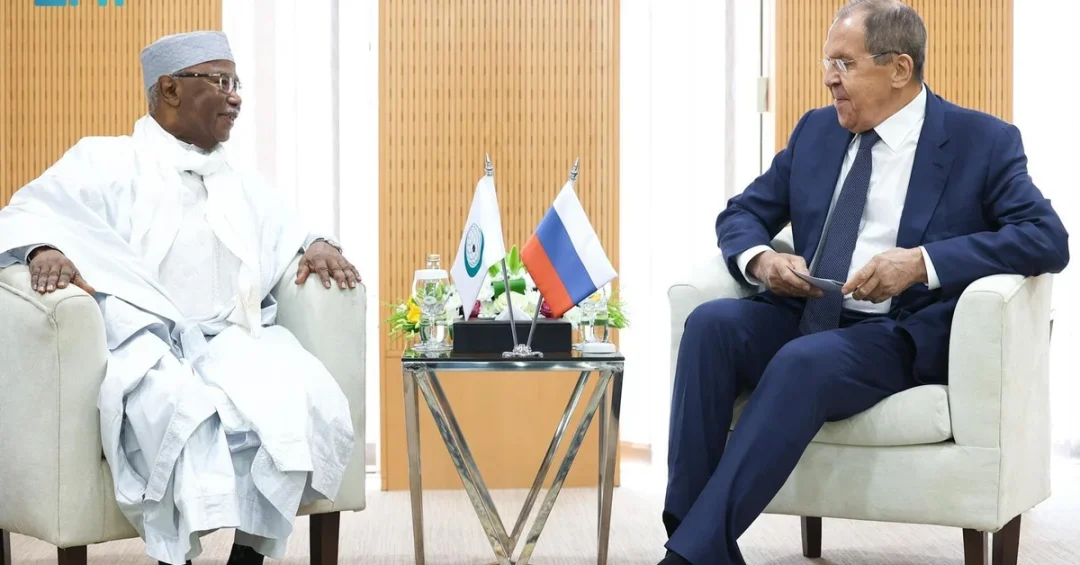
Hissein Brahim Taha, Secretary-General of the Organization of Islamic Cooperation (OIC), met with Russian Foreign Minister Sergei Lavrov in Riyadh on September 9, 2024, to discuss regional and international challenges, with a focus on the Palestinian cause and the conditions of Muslim communities worldwide. The meeting underscored the OIC’s ongoing efforts to foster dialogue and cooperation among its member states and international partners.
Context and Background
The Organization of Islamic Cooperation, headquartered in Jeddah, Saudi Arabia, is the second-largest intergovernmental organization after the United Nations, representing 57 member states. The OIC serves as a collective voice for the Muslim world, addressing issues of peace, security, and development. Russia holds observer status in the OIC, a relationship that has facilitated diplomatic engagements on matters of mutual concern. This meeting in Riyadh reflects the OIC’s commitment to maintaining open channels of communication with global powers to advance its objectives.
Key Details
During the meeting, Secretary-General Taha and Foreign Minister Lavrov reviewed issues of mutual interest, including joint efforts to address regional and international challenges. They specifically highlighted the Palestinian cause and the conditions of Muslim communities worldwide. Both officials stressed the importance of coordination and consultation to support international efforts to establish peace and stability, especially in OIC countries. They valued the distinguished relations and friendship between the OIC countries and the Russian Federation, expressing their commitment to strengthening partnership and cooperation within the framework of Russia’s observer membership in the OIC. They also reiterated the importance of the political consultation mechanism to continue dialogue concerning all issues and agendas of interest to both sides.
Implications and Impact
This meeting signifies the OIC’s proactive diplomacy in engaging with major global actors to address pressing issues affecting the Muslim world. By consulting with Russia, a key player in international affairs, the OIC aims to build consensus and foster collaborative approaches to conflicts and humanitarian crises. The discussion on the Palestinian cause reaffirms the OIC’s longstanding position on the matter, while the focus on Muslim communities worldwide highlights its dedication to protecting the rights and well-being of Muslims globally. Such engagements can lead to enhanced cooperation in areas such as humanitarian aid, conflict resolution, and cultural exchange.
Vision 2030 Alignment
Saudi Arabia’s Vision 2030 emphasizes the Kingdom’s role as a global leader in diplomacy and international cooperation. The OIC’s meeting with Russian officials in Riyadh aligns with this vision by showcasing Saudi Arabia’s commitment to fostering dialogue and stability. As the host of the OIC headquarters, Saudi Arabia supports initiatives that promote peace and understanding among nations, reflecting the Kingdom’s broader efforts to enhance its global standing and contribute to a more interconnected world.
20 Questions
Q1. Who met in Riyadh on September 9, 2024?
A1. OIC Secretary-General Hissein Brahim Taha met with Russian Foreign Minister Sergei Lavrov in Riyadh on September 9, 2024, to discuss regional and international challenges.
Q2. What is the OIC?
A2. The Organization of Islamic Cooperation is an intergovernmental organization with 57 member states, serving as a collective voice for the Muslim world on issues of peace, security, and development.
Q3. What was the main focus of the meeting?
A3. The meeting focused on regional and international challenges, particularly the Palestinian cause and the conditions of Muslim communities worldwide.
Q4. What is Russia’s status within the OIC?
A4. Russia holds observer status in the OIC, which allows it to participate in dialogues and cooperation on issues of mutual interest with member states.
Q5. Why is the Palestinian cause important to the OIC?
A5. The Palestinian cause is a central issue for the OIC, reflecting its commitment to supporting the rights and aspirations of the Palestinian people and promoting peace in the region.
Q6. How does the OIC engage with non-member countries like Russia?
A6. The OIC engages with non-member countries through diplomatic meetings, consultation mechanisms, and partnerships to address shared challenges and promote international peace and stability.
Q7. What is the political consultation mechanism mentioned in the meeting?
A7. The political consultation mechanism is a framework for ongoing dialogue between the OIC and Russia to discuss issues of common interest and coordinate positions on regional and global matters.
Q8. What did Taha and Lavrov stress regarding international efforts?
A8. They stressed the importance of coordination and consultation to support international efforts to establish peace and stability, especially in OIC countries.
Q9. How does this meeting reflect Saudi Arabia’s diplomatic efforts?
A9. The meeting in Riyadh demonstrates Saudi Arabia’s role as a host for important diplomatic engagements and its commitment to fostering dialogue and cooperation on global issues.
Q10. What are the conditions of Muslim communities worldwide that were discussed?
A10. The meeting addressed the challenges faced by Muslim communities globally, including issues related to rights, humanitarian needs, and social integration, though specific details were not disclosed.
Q11. What is the significance of Russia’s observer membership in the OIC?
A11. Russia’s observer membership allows for enhanced cooperation and dialogue between Russia and OIC member states, facilitating joint efforts on regional and international issues.
Q12. How does the OIC promote peace and stability?
A12. The OIC promotes peace and stability through diplomatic engagement, conflict resolution initiatives, humanitarian assistance, and advocacy for the rights of Muslim communities.
Q13. What outcomes are expected from this meeting?
A13. The meeting is expected to strengthen partnership and cooperation between the OIC and Russia, leading to continued dialogue and coordinated efforts on shared challenges.
Q14. How does the OIC address regional challenges?
A14. The OIC addresses regional challenges through collective action, mediation, and collaboration with international partners to find peaceful solutions to conflicts and crises.
Q15. What role does Saudi Arabia play in the OIC?
A15. Saudi Arabia is a founding member and hosts the OIC headquarters in Jeddah, playing a leading role in shaping the organization’s policies and initiatives.
Q16. What are the key areas of cooperation between the OIC and Russia?
A16. Key areas include political consultation, conflict resolution, humanitarian aid, and efforts to support Muslim communities, as well as broader international peace and security.
Q17. How does this meeting align with Vision 2030?
A17. The meeting aligns with Vision 2030 by showcasing Saudi Arabia’s commitment to international diplomacy and cooperation, enhancing its global role and promoting stability.
Q18. What is the OIC’s stance on the Palestinian cause?
A18. The OIC consistently supports the Palestinian cause, advocating for the rights of Palestinians and a peaceful resolution to the conflict based on international legitimacy.
Q19. How often do OIC and Russian officials meet?
A19. Meetings occur as needed through the political consultation mechanism, with regular dialogues to address emerging issues and maintain strong bilateral relations.
Q20. What message does this meeting send to the international community?
A20. The meeting sends a message of constructive engagement and dialogue between the Muslim world and global powers, emphasizing cooperation for peace and stability.
Reader Feedback
We value your thoughts. Please share your feedback on this article.
Your feedback helps us improve our coverage.