


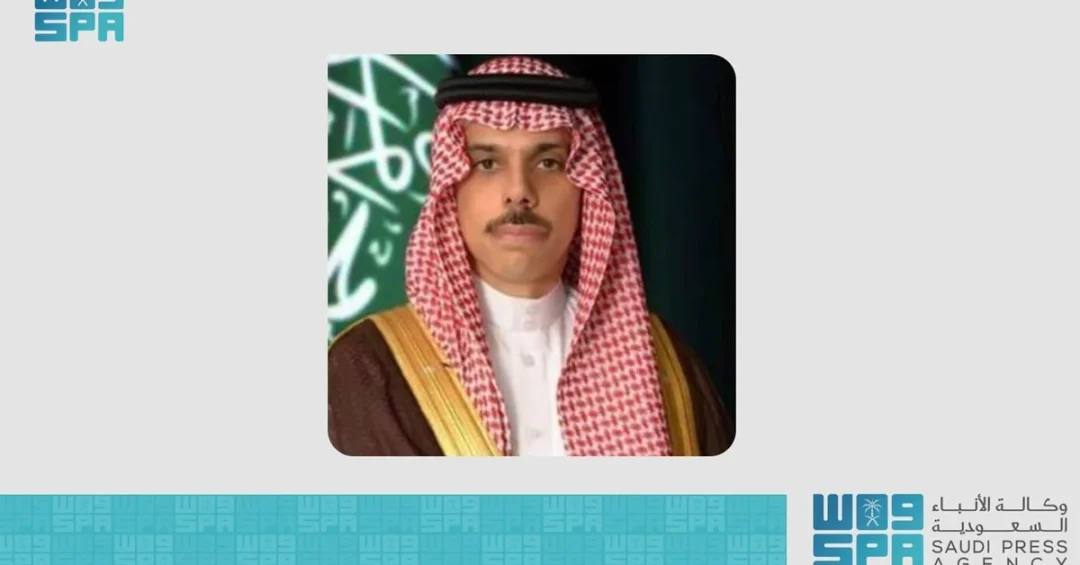
Saudi Minister of Foreign Affairs Prince Faisal bin Farhan bin Abdullah arrived in Cairo on Monday to lead the Kingdom’s delegation at the 162nd regular session of the Arab League ministerial meeting, which will be held on Tuesday. The visit underscores Saudi Arabia’s ongoing commitment to strengthening Arab solidarity and addressing pressing regional issues through diplomatic engagement.
Context and Background
The Arab League ministerial meeting is a key platform for Arab states to coordinate policies on political, economic, and security matters. Saudi Arabia has consistently played a leading role in these discussions, advocating for unity and stability in the region. Prince Faisal’s participation highlights the Kingdom’s dedication to fostering cooperation among Arab nations and supporting initiatives that promote peace and development.
This session comes amid a dynamic period in regional and international affairs, with Arab countries working to address challenges such as economic recovery, security threats, and the need for sustainable development. Saudi Arabia’s active involvement aligns with its broader foreign policy objectives, which prioritize dialogue, conflict resolution, and the advancement of shared Arab interests.
Key Details
The 162nd regular session will bring together foreign ministers from across the Arab world to discuss a wide range of topics, including the latest developments in the Palestinian cause, efforts to combat terrorism, and ways to enhance economic integration. Prince Faisal is expected to reaffirm Saudi Arabia’s support for joint Arab action and to highlight the Kingdom’s contributions to regional stability and prosperity.
During the meeting, ministers will review the implementation of previous resolutions and explore new avenues for collaboration. The agenda also includes discussions on strengthening the Arab League’s role in mediating conflicts and promoting sustainable development goals. Saudi Arabia’s delegation is set to engage in bilateral meetings with counterparts to further bilateral ties and coordinate positions on key issues.
Implications and Impact
Prince Faisal’s visit to Egypt and his participation in the Arab League meeting reflect Saudi Arabia’s steadfast commitment to multilateral diplomacy. The outcomes of this session are expected to shape Arab positions on critical matters and reinforce the importance of collective action. For Egypt, hosting the meeting underscores its central role in Arab affairs and its partnership with Saudi Arabia in advancing regional stability.
On the international stage, the meeting sends a message of Arab unity and a shared resolve to address common challenges. Saudi Arabia’s leadership in these discussions enhances its standing as a reliable and influential player in the region and beyond. The Kingdom’s efforts to bridge differences and promote consensus contribute to a more stable and prosperous Middle East.
Vision 2030 Alignment
Saudi Arabia’s participation in the Arab League ministerial meeting is closely aligned with Vision 2030, which seeks to strengthen the Kingdom’s global engagement and economic diversification. By fostering strong regional partnerships and supporting diplomatic solutions, Saudi Arabia aims to create a conducive environment for investment, trade, and cultural exchange. This approach not only bolsters the Kingdom’s security but also opens new opportunities for growth and collaboration in line with the Vision’s objectives.
20 Questions
Q1. Who arrived in Cairo for the Arab League meeting?
A1. Saudi Minister of Foreign Affairs Prince Faisal bin Farhan bin Abdullah arrived in Cairo to lead the Kingdom’s delegation at the 162nd regular session of the Arab League ministerial meeting.
Q2. When is the 162nd Arab League ministerial meeting taking place?
A2. The meeting will be held on Tuesday, following Prince Faisal’s arrival on Monday, as reported by the Saudi Press Agency.
Q3. What is the purpose of the Arab League ministerial meeting?
A3. The meeting serves as a platform for Arab foreign ministers to coordinate policies on political, economic, and security issues affecting the region.
Q4. Why is Saudi Arabia participating in this meeting?
A4. Saudi Arabia participates to reinforce Arab solidarity, support joint action, and address regional challenges through diplomatic means, in line with its foreign policy goals.
Q5. What topics will be discussed at the meeting?
A5. Discussions will cover the Palestinian cause, counterterrorism efforts, economic integration, and ways to enhance the Arab League’s role in mediation and development.
Q6. Who is leading the Saudi delegation?
A6. The delegation is led by Prince Faisal bin Farhan bin Abdullah, the Kingdom’s Minister of Foreign Affairs, who will represent Saudi Arabia’s positions on key issues.
Q7. What is the significance of Egypt hosting this meeting?
A7. Egypt’s hosting highlights its central role in Arab affairs and its strong partnership with Saudi Arabia in promoting regional stability and cooperation.
Q8. How does Saudi Arabia’s participation align with Vision 2030?
A8. It supports Vision 2030 by enhancing global engagement, fostering regional partnerships, and creating a stable environment for economic growth and diversification.
Q9. What outcomes are expected from the meeting?
A9. The meeting is expected to produce consensus on key regional issues, reinforce Arab unity, and advance initiatives for peace, security, and development.
Q10. Will Prince Faisal hold bilateral meetings?
A10. Yes, he is expected to engage in bilateral discussions with counterparts to strengthen ties and coordinate on matters of mutual interest.
Q11. What is the Arab League’s role in the region?
A11. The Arab League facilitates cooperation among Arab states, mediates conflicts, and promotes common positions on political, economic, and social issues.
Q12. How does this meeting impact regional stability?
A12. By fostering dialogue and consensus, the meeting contributes to stability, helping Arab nations address challenges collectively and reduce tensions.
Q13. What is Saudi Arabia’s stance on the Palestinian cause?
A13. Saudi Arabia consistently supports the Palestinian cause and advocates for a just and comprehensive solution based on international resolutions.
Q14. How does Saudi Arabia contribute to counterterrorism efforts?
A14. Saudi Arabia actively participates in regional and international counterterrorism initiatives, sharing intelligence and promoting deradicalization programs.
Q15. What economic topics are on the agenda?
A15. The agenda includes enhancing economic integration, promoting trade, and exploring joint investment opportunities among Arab states.
Q16. How does this meeting reflect Saudi Arabia’s foreign policy?
A16. It demonstrates Saudi Arabia’s commitment to multilateral diplomacy, dialogue, and constructive engagement to resolve regional issues peacefully.
Q17. What is the expected impact on Saudi-Egypt relations?
A17. The visit strengthens bilateral ties, reinforcing cooperation on political, economic, and security matters of shared interest.
Q18. Are there any security concerns for the meeting?
A18. Egypt is expected to provide robust security arrangements to ensure the safety of all delegations and the success of the meeting.
Q19. How does the Arab League address economic development?
A19. The League promotes economic cooperation through initiatives that enhance trade, investment, and infrastructure links among member states.
Q20. What message does Saudi Arabia’s participation send?
A20. It signals Saudi Arabia’s dedication to Arab unity, stability, and prosperity, and its readiness to work with partners to achieve shared goals.
Reader Feedback
We value your thoughts. Please share your feedback on this article.
Your feedback helps us improve our coverage.