


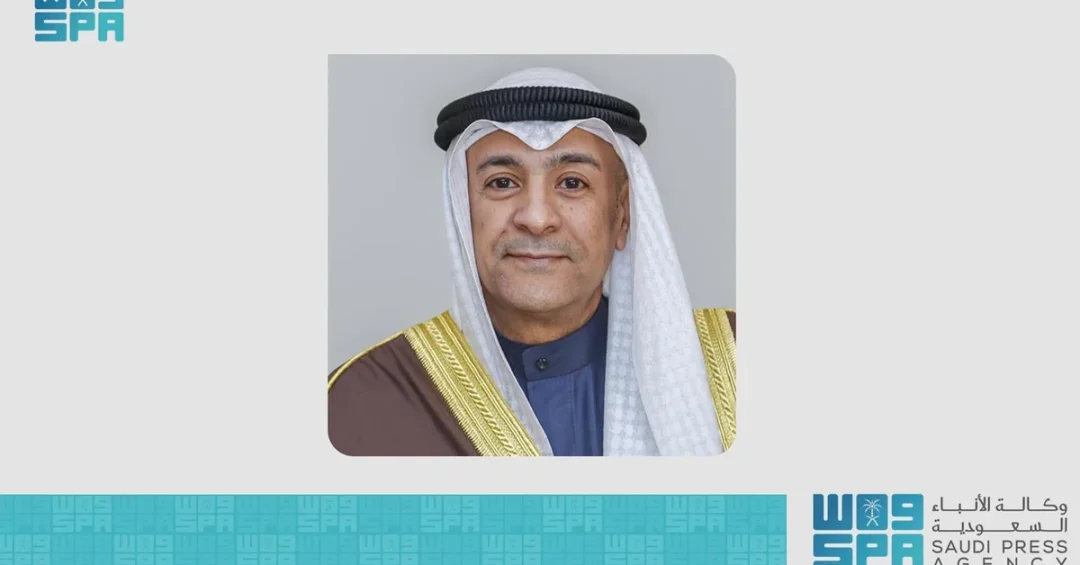
Environmental protection and addressing the impacts of climate change have become essential components of Gulf Cooperation Council (GCC) countries’ national visions, according to Jasem Albudaiwi, Secretary-General of the GCC. Speaking at the 26th meeting of GCC ministers responsible for environmental affairs in Doha, Qatar, on September 10, 2024, Albudaiwi underscored the region’s commitment to integrating sustainability into long-term development strategies. The meeting, chaired by Qatar’s Minister of Environment and Climate Change Dr. Abdullah Al Subaie, brought together senior officials to coordinate environmental policies and reinforce collective action.
Context and Background
The GCC, comprising Bahrain, Kuwait, Oman, Qatar, Saudi Arabia, and the United Arab Emirates, has increasingly prioritized environmental sustainability as a cornerstone of its economic diversification and social development agendas. Albudaiwi’s remarks reflect a broader regional shift toward balancing rapid development with ecological stewardship, a principle embedded in national visions such as Saudi Arabia’s Vision 2030. These frameworks aim to reduce reliance on fossil fuels, promote renewable energy, and enhance quality of life for future generations.
During his speech, Albudaiwi highlighted that GCC countries are actively enhancing environmental policies, promoting renewable energy reliance, and reducing carbon emissions to achieve a balance between development and environmental protection. He also noted that international cooperation to address climate change has become essential among all countries, with GCC nations actively contributing to global solutions while preserving the environment.
Key Details
Albudaiwi congratulated the United Arab Emirates on hosting the COP28 UN Climate Change Conference, a landmark event that showcased the region’s growing role in global climate diplomacy. He also conveyed his best wishes for the Kingdom of Saudi Arabia’s hosting of the upcoming 16th session of the Conference of the Parties (COP16) of the United Nations Convention to Combat Desertification, scheduled for December 2024. This conference will focus on combating desertification and mitigating the effects of drought, issues of particular relevance to the arid GCC region.
The 26th meeting of GCC environment ministers served as a platform to align national strategies with regional and international environmental goals. Discussions likely covered renewable energy projects, carbon reduction initiatives, and biodiversity conservation, although specific outcomes were not detailed in the official statement. The meeting underscores the GCC’s commitment to coordinated action on environmental challenges.
Implications and Impact
The GCC’s emphasis on environmental protection carries significant implications for the region and beyond. By integrating sustainability into national visions, GCC countries are positioning themselves as responsible global stakeholders and diversifying their economies away from oil dependence. This shift attracts international investment in green technologies and fosters partnerships in clean energy, conservation, and climate resilience.
Moreover, Saudi Arabia’s hosting of COP16 in December 2024 will spotlight the Kingdom’s leadership in combating desertification, a critical issue for many countries facing land degradation. The event is expected to galvanize global efforts and showcase Saudi Arabia’s initiatives under Vision 2030, such as the Saudi Green Initiative and the Middle East Green Initiative, which aim to plant billions of trees and reduce carbon emissions regionally.
Vision 2030 Alignment
Saudi Arabia’s Vision 2030 explicitly prioritizes environmental sustainability as part of its economic diversification and social reform agenda. The Kingdom aims to generate 50% of its electricity from renewable sources by 2030, reduce carbon emissions, and protect natural habitats. These goals align with the GCC’s collective environmental vision articulated by Albudaiwi, reinforcing Saudi Arabia’s role as a regional leader in sustainability. As the Kingdom prepares to host COP16, its commitment to environmental protection and climate action will further enhance its global standing and contribute to a sustainable future for the region and the world.
20 Questions
Q1. Who is Jasem Albudaiwi?
A1. Jasem Albudaiwi is the Secretary-General of the Gulf Cooperation Council (GCC). He plays a key role in promoting cooperation among GCC member states on various issues, including environmental protection and climate change.
Q2. What was the main topic of the 26th GCC environment ministers meeting?
A2. The meeting focused on environmental protection and addressing climate change impacts as essential components of GCC countries’ national visions. Ministers discussed enhancing environmental policies, promoting renewable energy, and reducing carbon emissions.
Q3. Where and when did the 26th meeting take place?
A3. The 26th meeting of GCC ministers responsible for environmental affairs was held in Doha, Qatar, on September 10, 2024. It was chaired by Qatar’s Minister of Environment and Climate Change, Dr. Abdullah Al Subaie.
Q4. What did Albudaiwi say about GCC countries’ national visions?
A4. Albudaiwi stated that environmental protection and addressing climate change impacts have become essential components of GCC countries’ national visions. This reflects the region’s commitment to integrating sustainability into long-term development strategies.
Q5. How are GCC countries working to balance development and environmental protection?
A5. GCC countries are enhancing environmental policies, promoting reliance on renewable energy, and reducing carbon emissions. These efforts aim to achieve a balance between economic development and environmental sustainability.
Q6. What did Albudaiwi say about international cooperation on climate change?
A6. Albudaiwi emphasized that international cooperation to address climate change and other environmental challenges has become essential among all countries. He noted that GCC countries are actively contributing to global cooperation and providing solutions.
Q7. Which country hosted COP28, and how did Albudaiwi acknowledge it?
A7. The United Arab Emirates hosted COP28. Albudaiwi congratulated the UAE on hosting the conference, recognizing its significance in advancing global climate action and the region’s role in climate diplomacy.
Q8. What upcoming UN conference did Albudaiwi mention regarding Saudi Arabia?
A8. Albudaiwi mentioned that Saudi Arabia will host the 16th session of the Conference of the Parties (COP16) of the United Nations Convention to Combat Desertification in December 2024.
Q9. Why is COP16 important for Saudi Arabia and the region?
A9. COP16 focuses on combating desertification and drought, critical issues for the arid GCC region. Saudi Arabia’s hosting underscores its leadership in addressing land degradation and promoting sustainable land management.
Q10. What are some key environmental initiatives under Saudi Vision 2030?
A10. Key initiatives include the Saudi Green Initiative and the Middle East Green Initiative, which aim to plant billions of trees, reduce carbon emissions, and promote renewable energy, aligning with Vision 2030’s sustainability goals.
Q11. How does environmental protection relate to economic diversification in the GCC?
A11. Environmental protection supports economic diversification by encouraging investment in green technologies and renewable energy. This reduces oil dependence and fosters sustainable economic growth across GCC countries.
Q12. What role does the GCC play in global climate efforts?
A12. The GCC actively contributes to global climate efforts by participating in international agreements, hosting major conferences like COP28 and COP16, and implementing policies to reduce emissions and promote sustainability.
Q13. What is the significance of the GCC environment ministers meeting?
A13. The meeting provides a platform for GCC countries to coordinate environmental policies, share best practices, and align national strategies with regional and international environmental goals, enhancing collective action.
Q14. How does Saudi Arabia aim to reduce carbon emissions?
A14. Saudi Arabia aims to reduce carbon emissions through initiatives like the Saudi Green Initiative, increasing renewable energy use, and adopting circular carbon economy approaches, targeting net-zero emissions by 2060.
Q15. What are the expected outcomes of COP16 in Saudi Arabia?
A15. COP16 is expected to galvanize global efforts to combat desertification, showcase Saudi Arabia’s environmental initiatives, and foster international cooperation on sustainable land management and drought resilience.
Q16. How do GCC countries promote renewable energy?
A16. GCC countries are investing heavily in solar and wind energy projects, setting ambitious renewable energy targets, and implementing policies to diversify energy sources and reduce reliance on fossil fuels.
Q17. What is the Middle East Green Initiative?
A17. The Middle East Green Initiative is a regional effort led by Saudi Arabia to plant 50 billion trees and reduce carbon emissions by 10% of global contributions, aiming to combat climate change and desertification.
Q18. How does environmental sustainability benefit the region’s economy?
A18. Environmental sustainability attracts foreign investment, creates green jobs, enhances resource efficiency, and reduces long-term costs associated with climate impacts, supporting economic resilience and growth.
Q19. What challenges do GCC countries face in addressing climate change?
A19. Challenges include extreme heat, water scarcity, and desertification. GCC countries are tackling these through technology, policy reforms, and regional cooperation, turning challenges into opportunities for innovation.
Q20. How does Saudi Arabia’s Vision 2030 address environmental sustainability?
A20. Vision 2030 integrates environmental sustainability by targeting 50% renewable energy by 2030, reducing emissions, protecting biodiversity, and promoting sustainable development, ensuring a balanced future for the Kingdom.
Reader Feedback
We value your thoughts. Please share your feedback on this article.
Your feedback helps us improve our coverage.