


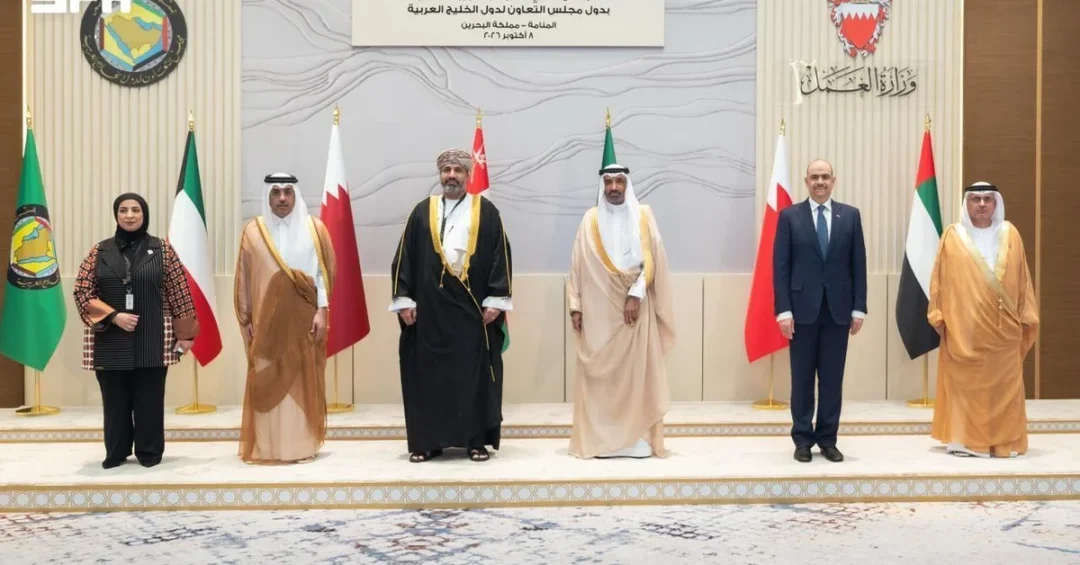
Saudi Arabia’s Minister of Human Resources and Social Development, Ahmed Al-Rajhi, led the Kingdom’s delegation to the Gulf Cooperation Council (GCC) ministerial committee meetings on civil service, labor, and social affairs and development, held in Bahrain on Thursday, October 8, 2026. The high-level gatherings brought together ministers and senior officials from all GCC member states to advance joint Gulf cooperation in these vital sectors, underscoring the region’s commitment to integrated development and shared prosperity.
Context and Background
The meetings marked the 22nd session of the GCC Ministers and Heads of Civil Service Committee and the 12th sessions of the labor ministers and social affairs and development ministers committees. These regular convenings are part of the GCC’s longstanding framework to harmonize policies, exchange best practices, and address common challenges across member states. The participation of Minister Ahmed Al-Rajhi highlights Saudi Arabia’s active role in shaping regional strategies that align with its own national transformation under Vision 2030.
The GCC, established in 1981, comprises Bahrain, Kuwait, Oman, Qatar, Saudi Arabia, and the United Arab Emirates. Its ministerial committees serve as platforms for coordinated action on social and economic issues, ensuring that member states keep pace with global changes while preserving regional values and stability.
Key Details
During the sessions, participants discussed a range of issues related to civil service, labor, and social development, aiming to strengthen joint Gulf cooperation. The agenda included reviewing progress on previous initiatives, exploring new avenues for collaboration, and aligning policies to enhance the efficiency and effectiveness of public services and labor markets across the region. The meetings also coincided with accompanying events, including an awards ceremony that honored leading projects and figures in labor and social development. Outstanding professionals in the civil service sector were recognized for their contributions to development and efforts to advance joint Gulf cooperation.
These recognitions serve to motivate excellence and innovation within the public sector, reinforcing the GCC’s commitment to fostering a culture of achievement and continuous improvement. The presence of senior officials from all member states underscores the collective resolve to address shared priorities through dialogue and cooperation.
Implications and Impact
The outcomes of these meetings are expected to have far-reaching implications for the region’s labor markets, social welfare systems, and civil service frameworks. By harmonizing regulations and sharing successful practices, GCC countries can create more dynamic and resilient economies, better equipped to meet the demands of a rapidly changing world. For Saudi Arabia, this cooperation supports its ongoing efforts to diversify the economy, empower citizens, and enhance the quality of life for all residents.
Furthermore, the meetings reinforce the GCC’s role as a stabilizing and progressive force in the Middle East, demonstrating how collective action can drive sustainable development and social cohesion. The emphasis on recognizing outstanding contributions also highlights the importance of human capital as a driver of regional growth.
Vision 2030 Alignment
Saudi Arabia’s active participation in these GCC ministerial committees is directly aligned with Vision 2030, the Kingdom’s ambitious roadmap for economic and social transformation. Vision 2030 prioritizes the development of a thriving private sector, enhanced public services, and a robust social safety net, all of which are central themes of the discussions in Bahrain. By working closely with its Gulf neighbors, Saudi Arabia aims to accelerate progress toward its goals, ensuring that its citizens benefit from improved opportunities and a higher standard of living. As the Kingdom continues to lead by example, its engagement in regional cooperation will remain a cornerstone of its strategy to build a prosperous and sustainable future.
20 Questions
Q1. What event did Saudi Arabia’s Minister of Human Resources and Social Development attend in Bahrain?
A1. Minister Ahmed Al-Rajhi headed Saudi Arabia’s delegation to the GCC ministerial committee meetings on civil service, labor, and social affairs and development, held in Bahrain on Thursday, October 8, 2026.
Q2. Which GCC committees convened during these meetings?
A2. The meetings included the 22nd session of the GCC Ministers and Heads of Civil Service Committee and the 12th sessions of the labor ministers and social affairs and development ministers committees.
Q3. Who led the Saudi delegation to the meetings?
A3. The Saudi delegation was led by Minister of Human Resources and Social Development Ahmed Al-Rajhi.
Q4. What was the main purpose of the GCC ministerial committee meetings?
A4. The meetings aimed to strengthen joint Gulf cooperation in civil service, labor, and social affairs and development, and to discuss issues of common interest among member states.
Q5. Which countries are members of the Gulf Cooperation Council?
A5. The GCC member states are Bahrain, Kuwait, Oman, Qatar, Saudi Arabia, and the United Arab Emirates.
Q6. What accompanying events took place alongside the ministerial meetings?
A6. An awards ceremony honored leading projects and figures in labor and social development, and outstanding professionals in the civil service sector were recognized for their contributions.
Q7. Why are these meetings significant for GCC countries?
A7. They provide a platform for member states to harmonize policies, exchange best practices, and address common challenges, thereby enhancing regional integration and development.
Q8. How do these meetings align with Saudi Arabia’s Vision 2030?
A8. They support Vision 2030’s goals of economic diversification, public service enhancement, and social welfare improvement through regional cooperation and knowledge sharing.
Q9. What topics were discussed at the meetings?
A9. Discussions covered issues related to civil service, labor, and social affairs and development, with a focus on strengthening joint Gulf cooperation and keeping pace with global changes.
Q10. What is the role of the GCC Ministers and Heads of Civil Service Committee?
A10. This committee works to improve civil service systems across member states by sharing expertise, developing common standards, and promoting efficiency in public administration.
Q11. How often do these GCC ministerial committee meetings take place?
A11. The meetings are held regularly, with the civil service committee now in its 22nd session and the labor and social affairs committees in their 12th sessions, indicating a sustained commitment to cooperation.
Q12. Who attended the meetings besides Minister Al-Rajhi?
A12. Ministers and senior officials from all GCC member states attended the meetings, reflecting the high-level commitment to regional collaboration.
Q13. What recognition was given to professionals in the civil service sector?
A13. Outstanding professionals were honored for their contributions to development and efforts to advance joint Gulf cooperation, highlighting the value of human capital.
Q14. What are the expected outcomes of these meetings?
A14. The meetings are expected to lead to enhanced policy coordination, improved labor market efficiency, and stronger social development frameworks across the GCC.
Q15. How does Saudi Arabia benefit from hosting or participating in such meetings?
A15. Participation allows Saudi Arabia to share its Vision 2030 progress, learn from peers, and contribute to regional strategies that support its own development goals.
Q16. What is the significance of the awards ceremony?
A16. The ceremony motivates excellence and innovation in labor and social development, encouraging continuous improvement and recognizing best practices in the region.
Q17. How do these meetings address global changes?
A17. By discussing civil service, labor, and social affairs, participants aim to adapt policies to global trends, ensuring GCC countries remain competitive and responsive.
Q18. What role does the GCC play in regional stability?
A18. The GCC fosters economic and social integration, which contributes to stability, prosperity, and a unified approach to shared challenges among member states.
Q19. What is Saudi Arabia’s overarching goal in these cooperative efforts?
A19. Saudi Arabia seeks to promote sustainable development, empower its citizens, and enhance regional cooperation as part of its Vision 2030 transformation.
Q20. How do these meetings reflect GCC countries’ commitment to joint action?
A20. The regular convening of ministerial committees and the recognition of outstanding contributions demonstrate a strong, ongoing commitment to collective progress and regional solidarity.
Reader Feedback
We value your thoughts. Please share your feedback on this article.
Your feedback helps us improve our coverage.