


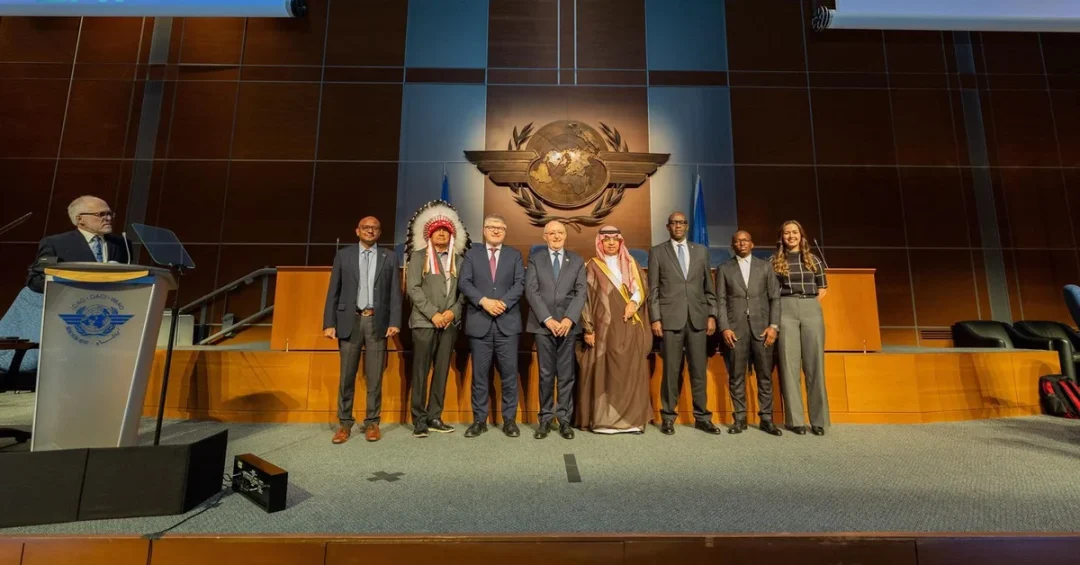
Saudi Arabia’s General Authority of Civil Aviation (GACA) President Abdulaziz bin Abdullah Al-Duailej highlighted the Kingdom’s global leadership in advanced air mobility (AAM) at the first International Civil Aviation Organization (ICAO) Advanced Air Mobility Forum in Montreal, Canada, held from September 9 to 12, 2024. In his address, Al-Duailej emphasized that Saudi Arabia is undergoing a significant transformation in its civil aviation sector, driven by the National Aviation Strategy and aligned with the goals of Vision 2030 to build a prosperous and diversified economy.
Context and Background
The ICAO Advanced Air Mobility Forum is a landmark event that brought together global aviation leaders, regulators, and industry experts to discuss the future of air mobility. Saudi Arabia’s active participation underscores its commitment to shaping international standards and fostering collaboration in this emerging field. The Kingdom’s presence at the forum reflects its broader efforts to position itself as a hub for innovation and sustainable transportation.
Earlier in 2024, GACA launched the Advanced Air Mobility Roadmap, a comprehensive plan that aligns with the National Aviation Strategy. This roadmap is built on seven main pillars: adopting technical solutions, developing infrastructure, achieving comprehensive governance, building trust, attracting investments, setting regulations and systems, and empowering human capital. These pillars guide Saudi Arabia’s approach to integrating AAM into its aviation ecosystem.
Key Details
During the forum, Al-Duailej called on civil aviation authorities worldwide to collaborate, address challenges, and build partnerships to ensure the success of advanced air mobility technologies globally. He emphasized that Saudi Arabia’s participation highlights its leading role in advanced and international civil aviation. The GACA President also held bilateral meetings with ICAO President Salvatore Sciacchitano and Embry-Riddle Aeronautical University President Barry Butler to discuss enhancing international cooperation in the civil aviation sector.
A notable highlight was the recognition of students from King Abdullah University of Science and Technology (KAUST), who received the ICAO Advanced Air Mobility Global Academic Paper Competition award. This achievement underscores the Kingdom’s capabilities in advanced air mobility research and its commitment to integrating and enabling these technologies, aligning with its ambitious goal to achieve zero carbon emissions by 2060. The Kingdom’s investments in electric vertical take-off and landing aircraft (eVTOL) were also showcased as part of its dedication to advanced research and sustainable innovation.
Implications and Impact
Saudi Arabia’s leadership in advanced air mobility has significant implications for the global aviation industry. By pioneering the adoption of AAM technologies, the Kingdom is setting a precedent for other nations to follow, potentially accelerating the worldwide transition to more sustainable and efficient air transportation. The recognition of KAUST students on an international platform highlights the Kingdom’s investment in human capital and its role in fostering innovation that can benefit the entire sector.
Furthermore, the bilateral discussions with ICAO and Embry-Riddle Aeronautical University open avenues for enhanced cooperation, knowledge exchange, and capacity building. These partnerships are crucial for addressing regulatory, technical, and infrastructural challenges that accompany the integration of AAM. Saudi Arabia’s proactive stance positions it as a key player in shaping the future of aviation, both regionally and globally.
Vision 2030 Alignment
Saudi Arabia’s advancements in advanced air mobility are closely tied to Vision 2030, which aims to diversify the economy and reduce dependence on oil. The National Aviation Strategy, a cornerstone of Vision 2030, seeks to enhance connectivity, boost tourism, and create new economic opportunities. By investing in AAM and eVTOL technologies, the Kingdom is not only modernizing its transportation infrastructure but also contributing to environmental sustainability and innovation.
As Saudi Arabia continues to lead in this transformative sector, its efforts will play a vital role in achieving the Vision 2030 objectives of a prosperous and sustainable future. The Kingdom’s participation in the ICAO forum and the achievements of its institutions demonstrate its unwavering commitment to global collaboration and excellence in civil aviation.
20 Questions
Q1. What event did Saudi Arabia participate in regarding advanced air mobility?
A1. Saudi Arabia participated in the first International Civil Aviation Organization (ICAO) Advanced Air Mobility Forum held in Montreal, Canada, from September 9 to 12, 2024. The forum gathered global aviation leaders to discuss the future of air mobility and regulatory frameworks.
Q2. Who represented Saudi Arabia at the ICAO Advanced Air Mobility Forum?
A2. Abdulaziz bin Abdullah Al-Duailej, President of the General Authority of Civil Aviation (GACA) and Chairman of the Executive Council of the Arab Civil Aviation Organization, represented Saudi Arabia and highlighted the Kingdom’s leadership in advanced air mobility.
Q3. What is the National Aviation Strategy?
A3. The National Aviation Strategy is a comprehensive plan by Saudi Arabia to transform its civil aviation sector, aligning with Vision 2030 goals to build a prosperous and diversified economy. It focuses on modernization, infrastructure, and global connectivity.
Q4. What are the seven pillars of the Advanced Air Mobility Roadmap?
A4. The seven pillars are: adopting technical solutions, developing infrastructure, achieving comprehensive governance, building trust, attracting investments, setting regulations and systems, and empowering human capital. These guide Saudi Arabia’s AAM integration.
Q5. What award did KAUST students receive at the forum?
A5. Students from King Abdullah University of Science and Technology (KAUST) received the ICAO Advanced Air Mobility Global Academic Paper Competition award, recognizing their research and underscoring Saudi Arabia’s capabilities in advanced air mobility.
Q6. How does Saudi Arabia’s participation reflect its global role?
A6. Saudi Arabia’s participation highlights its leading role in advanced and international civil aviation, demonstrating its commitment to shaping global standards and fostering collaboration in emerging aviation technologies.
Q7. What bilateral meetings did Al-Duailej hold?
A7. Al-Duailej held separate bilateral meetings with ICAO President Salvatore Sciacchitano and Embry-Riddle Aeronautical University President Barry Butler to discuss enhancing international cooperation in civil aviation.
Q8. What is the significance of eVTOL investments?
A8. Investments in electric vertical take-off and landing aircraft (eVTOL) signify Saudi Arabia’s commitment to advanced research and sustainable air mobility, supporting its goal of zero carbon emissions by 2060.
Q9. When did GACA launch the Advanced Air Mobility Roadmap?
A9. GACA launched the Advanced Air Mobility Roadmap earlier in 2024, aligning with the National Aviation Strategy to drive comprehensive changes in the aviation sector through seven main pillars.
Q10. How does advanced air mobility align with Vision 2030?
A10. Advanced air mobility aligns with Vision 2030 by promoting economic diversification, enhancing connectivity, boosting tourism, and fostering innovation, all of which contribute to a sustainable and prosperous future for Saudi Arabia.
Q11. What is the role of ICAO in advanced air mobility?
A11. ICAO, the International Civil Aviation Organization, leads global efforts to develop standards and frameworks for advanced air mobility, facilitating international cooperation and safe integration of new technologies.
Q12. What did Al-Duailej call for at the forum?
A12. Al-Duailej called on civil aviation authorities worldwide to collaborate, address challenges, and build partnerships to ensure the success of advanced air mobility technologies globally.
Q13. How does Saudi Arabia support human capital in aviation?
A13. Saudi Arabia empowers human capital through education and training initiatives, such as the recognition of KAUST students, and by fostering research and innovation in advanced air mobility.
Q14. What are the environmental benefits of advanced air mobility?
A14. Advanced air mobility, particularly eVTOL aircraft, can reduce carbon emissions and noise pollution compared to traditional aviation, supporting Saudi Arabia’s goal of zero carbon emissions by 2060.
Q15. What is the expected impact of AAM on tourism?
A15. AAM can enhance tourism by providing efficient, sustainable transportation options, improving connectivity to remote areas, and supporting Saudi Arabia’s Vision 2030 goal to attract 150 million visitors annually by 2030.
Q16. How does Saudi Arabia’s investment in AAM benefit the global sector?
A16. Saudi Arabia’s investments drive innovation, set benchmarks for other nations, and contribute to the global development of sustainable air mobility, fostering international partnerships and knowledge exchange.
Q17. What challenges does AAM face globally?
A17. Challenges include regulatory harmonization, infrastructure development, public acceptance, and technological maturity. Saudi Arabia addresses these through its roadmap and international cooperation.
Q18. What is the significance of the ICAO forum for Saudi Arabia?
A18. The forum provides a platform for Saudi Arabia to showcase its advancements, learn from global best practices, and strengthen partnerships, reinforcing its position as a leader in civil aviation innovation.
Q19. How does GACA plan to attract investments in AAM?
A19. GACA plans to attract investments by creating a conducive regulatory environment, offering incentives, and highlighting the economic potential of AAM as part of the National Aviation Strategy.
Q20. What future developments can be expected from Saudi Arabia in AAM?
A20. Saudi Arabia is expected to continue developing its AAM ecosystem, including infrastructure, regulations, and partnerships, to integrate eVTOL aircraft and other technologies, aligning with Vision 2030 and global leadership goals.
Reader Feedback
We value your thoughts. Please share your feedback on this article.
Your feedback helps us improve our coverage.