


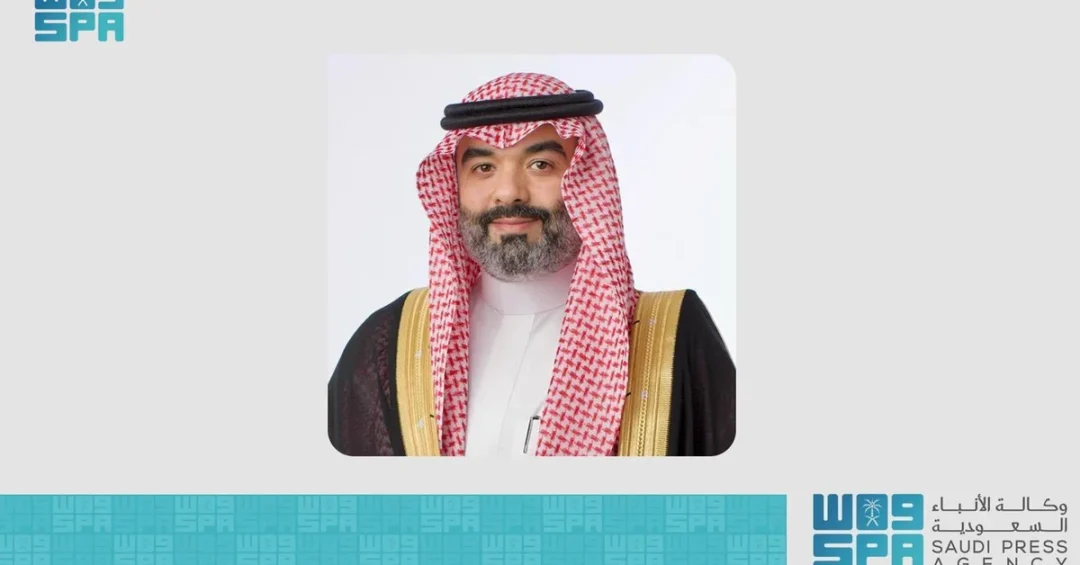
Saudi Arabia has achieved a significant milestone in the United Nations’ E-Government Development Index (EGDI) 2024, advancing to sixth place globally and second among G20 nations, as announced by the Ministry of Communications and Information Technology. In a statement released via the Saudi Press Agency, Minister of Communications and Information Technology Abdullah Alswaha extended his congratulations to the Custodian of the Two Holy Mosques King Salman bin Abdulaziz Al Saud and His Royal Highness Prince Mohammed bin Salman bin Abdulaziz Al Saud, Crown Prince and Prime Minister, on this remarkable advancement, which underscores the Kingdom’s rapid digital transformation and commitment to Vision 2030.
Context and Background
The United Nations’ EGDI is a comprehensive survey that assesses the e-government development status of all 193 UN Member States. It measures the willingness and capacity of national administrations to use information and communication technologies to deliver public services. The 2024 index highlights Saudi Arabia’s consistent progress in digital governance, building on years of strategic investment in technology and innovation. The Ministry of Communications and Information Technology has been at the forefront of these efforts, driving initiatives that enhance digital infrastructure, improve online service delivery, and foster a culture of innovation across government entities.
Saudi Arabia’s rise in the rankings reflects the broader goals of Vision 2030, which seeks to diversify the economy, enhance government efficiency, and improve the quality of life for citizens and residents. The Kingdom’s digital transformation journey has been marked by the launch of numerous platforms and services, such as the Absher and Tawakkalna apps, which have streamlined access to government services and improved user experience. These efforts have not only elevated Saudi Arabia’s standing in international indices but have also set a benchmark for other nations in the region and beyond.
Key Details
In the 2024 EGDI, Saudi Arabia advanced to fourth place in the Online Service Index (OSI), secured second position among G20 countries, and attained the top spot in the region. Globally, the Kingdom moved up to sixth place and ranked second among G20 nations in the overall EGDI. Additionally, Riyadh achieved third place among global cities and first in the region in the Local Online Service Index (LOSI), further demonstrating the Kingdom’s leadership in digital governance at both national and municipal levels.
Minister Alswaha underscored that these achievements were made possible by the unwavering support from the leadership and empowerment from His Royal Highness the Crown Prince. He also lauded the accomplishments as a reflection of the collective efforts of all government entities and employees in the government digital transformation sector. The minister’s remarks highlight the collaborative approach that has driven Saudi Arabia’s success, with government agencies working together to implement cutting-edge technologies and deliver seamless digital services to the public.
Implications and Impact
Saudi Arabia’s advancements in the EGDI have significant implications for the region and the wider international community. As a leader in digital governance, the Kingdom serves as a model for other countries seeking to enhance their e-government capabilities. The recognition from the United Nations reinforces Saudi Arabia’s position as a hub for technology and innovation, attracting investment and fostering partnerships with global tech companies. Moreover, the improved digital services contribute to economic growth by increasing efficiency, reducing bureaucracy, and enabling businesses to operate more effectively.
The Kingdom’s success also aligns with its efforts to promote digital inclusion and accessibility. By providing online services that are user-friendly and accessible to all segments of society, Saudi Arabia is ensuring that the benefits of digital transformation are shared widely. This inclusive approach is essential for achieving the Sustainable Development Goals and for building a knowledge-based economy. Furthermore, the achievements in the LOSI, with Riyadh ranking third globally, highlight the importance of local governance in the digital era, as cities play a crucial role in delivering services directly to residents.
Vision 2030 Alignment
The progress in the UN E-Government Development Index is a clear manifestation of Saudi Arabia’s Vision 2030, which aims to transform the Kingdom into a global leader in various fields, including technology and governance. Under the leadership of His Royal Highness the Crown Prince, Saudi Arabia has prioritized digital transformation as a key pillar of its national strategy. The Ministry of Communications and Information Technology continues to drive initiatives that enhance digital infrastructure, promote innovation, and improve the delivery of public services.
As the Kingdom looks to the future, these achievements serve as a testament to the dedication and hard work of all government entities and employees. They also reinforce Saudi Arabia’s commitment to leveraging technology for the benefit of its people and to contributing to global progress. With sustained efforts and strategic investments, Saudi Arabia is well-positioned to maintain its leadership in e-government and to inspire other nations to embark on their own digital transformation journeys.
20 Questions
Q1. What is the UN E-Government Development Index?
A1. The UN EGDI is a ranking that assesses the e-government development of countries based on online services, telecommunication infrastructure, and human capital. It measures how governments use technology to deliver services.
Q2. How did Saudi Arabia rank in the 2024 EGDI?
A2. Saudi Arabia ranked 6th globally and 2nd among G20 nations in the 2024 EGDI. It also achieved 4th in the Online Service Index and 1st in the region.
Q3. Who is the Minister of Communications and Information Technology?
A3. Abdullah Alswaha is the Minister of Communications and Information Technology. He congratulated the leadership on Saudi Arabia’s progress in the UN index.
Q4. What is the Online Service Index (OSI)?
A4. The OSI is a component of the EGDI that measures the provision of online services by governments. Saudi Arabia advanced to 4th place in this index in 2024.
Q5. What is the Local Online Service Index (LOSI)?
A5. The LOSI assesses online services provided by cities. Riyadh achieved 3rd place globally and 1st in the region in 2024.
Q6. How does this achievement align with Vision 2030?
A6. It aligns with Vision 2030’s goal of digital transformation and government efficiency. The progress showcases the Kingdom’s commitment to innovation and better public services.
Q7. What role did the Crown Prince play in this achievement?
A7. His Royal Highness Prince Mohammed bin Salman provided empowerment and support, which was crucial for the digital transformation efforts that led to this success.
Q8. Which government entities contributed to this success?
A8. All government entities and employees in the digital transformation sector contributed. Their collective efforts were praised by Minister Alswaha.
Q9. How many countries are ranked in the EGDI?
A9. All 193 UN Member States are ranked in the EGDI. It is a comprehensive survey conducted by the United Nations.
Q10. What are some examples of Saudi digital services?
A10. Examples include Absher and Tawakkalna, which provide various government services online. These platforms have improved accessibility and efficiency.
Q11. What does the EGDI measure?
A11. The EGDI measures three dimensions: online services, telecommunication infrastructure, and human capital. It evaluates e-government readiness and capacity.
Q12. How does Saudi Arabia’s ranking compare to other G20 countries?
A12. Saudi Arabia ranked 2nd among G20 countries in the EGDI and OSI. This places it among the top digital governments in the group.
Q13. What is the significance of Riyadh’s LOSI ranking?
A13. Riyadh’s 3rd place globally in LOSI highlights the city’s advanced digital services. It shows the Kingdom’s commitment to local governance innovation.
Q14. How does digital transformation benefit Saudi citizens?
A14. It provides easier access to government services, reduces bureaucracy, and saves time. Citizens can complete transactions online efficiently.
Q15. What are the economic implications of this achievement?
A15. It attracts investment, boosts tech sector growth, and enhances business efficiency. A strong digital government supports economic diversification.
Q16. How does this impact Saudi Arabia’s global standing?
A16. It reinforces the Kingdom’s reputation as a tech leader and innovator. It also strengthens its role in international digital governance.
Q17. What future steps is Saudi Arabia taking in e-government?
A17. The Kingdom continues to invest in AI, blockchain, and smart city technologies. It aims to further improve digital services and maintain leadership.
Q18. What did Minister Alswaha say about the achievement?
A18. He congratulated the leadership and praised the collective efforts of government entities. He attributed success to leadership support and empowerment.
Q19. How does this achievement reflect on the Saudi workforce?
A19. It highlights the skills and dedication of Saudi employees in the digital sector. Their work has been instrumental in the Kingdom’s progress.
Q20. What is the overall message of this achievement?
A20. It demonstrates Saudi Arabia’s commitment to excellence and innovation. It also showcases the success of Vision 2030 in driving comprehensive development.
Reader Feedback
We value your thoughts. Please share your feedback on this article.
Your feedback helps us improve our coverage.