


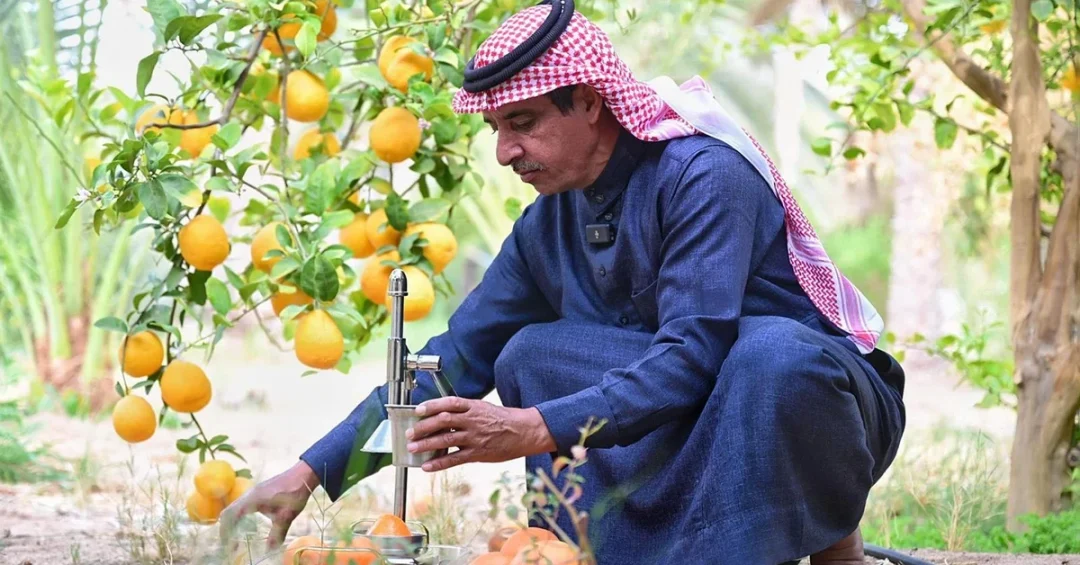
AlUla’s orange harvest is concluding in tandem with the holy month of Ramadan, as the region’s citrus fruits become a staple on iftar and suhoor tables across the Kingdom. According to the Saudi Press Agency (SPA), the optimal temperatures this year have allowed farmers to harvest oranges at peak quality, bringing fresh produce to market during the cooler climate. The demand for oranges in local markets highlights their deep-rooted connection to Ramadan dietary customs, whether enjoyed as a refreshing fruit or as a natural juice quenching the thirst of fasting Muslims at iftar after a long day.
Context and Background
AlUla, a governorate renowned for its citrus cultivation, has a long history of producing high-quality oranges and other citrus fruits. The region’s unique climate and agricultural heritage make it a key contributor to Saudi Arabia’s food security and economic diversification efforts. The harvest season, which spans from December to March, coincides with Ramadan this year, further elevating the significance of oranges in local diets. The Royal Commission for AlUla (RCU) plays a pivotal role in supporting and promoting agricultural activities in the region, aligning with Vision 2030 goals to enhance sustainable development and preserve cultural heritage.
Key Details
According to statistics from the Royal Commission for AlUla for 2024, the governorate’s citrus cultivation covers an area of 654.57 hectares, yielding an annual production of 6,545.65 tons. AlUla is home to 261,826 citrus trees, featuring notable varieties such as Abu Surra, citron, and sweet lemons. The production season, running from December to March, produces some of the finest citrus, distinguished by its unique flavor and high quality. This year’s favorable temperatures have allowed farmers to harvest the fruit at its finest, ensuring a supply of fresh, nutritious produce for consumers.
Implications and Impact
The availability of fresh oranges during Ramadan underscores their nutritional benefits, particularly as a rich source of vitamin C and essential minerals that boost immunity during fasting. The significant demand for oranges in local markets reflects their integral role in Ramadan traditions, both as a refreshing fruit and as a natural juice. Beyond local consumption, AlUla’s citrus production contributes to the region’s economy and supports the Kingdom’s agricultural sector. The RCU’s efforts in promoting sustainable farming practices and preserving agricultural heritage are vital for ensuring food security and enhancing the quality of life for residents and visitors alike.
Vision 2030 Alignment
AlUla’s thriving citrus industry exemplifies Saudi Arabia’s Vision 2030 objectives, particularly in diversifying the economy and promoting sustainable agriculture. By leveraging its natural resources and cultural heritage, AlUla is positioning itself as a key player in the Kingdom’s efforts to achieve food security and economic resilience. The RCU’s initiatives to support local farmers and enhance agricultural productivity align with the vision’s goals of creating a vibrant society and a thriving economy. As AlUla continues to develop its agricultural sector, it will play a crucial role in showcasing the Kingdom’s rich heritage and its commitment to a prosperous future.
20 Questions
Q1. What is the significance of oranges during Ramadan in AlUla?
A1. Oranges are a cherished part of iftar and suhoor due to their zesty flavor and nutritional value, helping to boost immunity during fasting and providing refreshment after a long day.
Q2. How does the harvest season in AlUla coincide with Ramadan this year?
A2. The harvest season runs from December to March, overlapping with Ramadan, allowing fresh oranges to be available for traditional meals and markets during the holy month.
Q3. What are the key statistics of AlUla’s citrus cultivation?
A3. According to the Royal Commission for AlUla, citrus cultivation covers 654.57 hectares, yielding 6,545.65 tons annually, with 261,826 citrus trees, including varieties like Abu Surra, citron, and sweet lemons.
Q4. How do optimal temperatures affect the orange harvest in AlUla?
A4. Optimal temperatures allow farmers to harvest the fruit at its finest, ensuring high quality and freshness, which is particularly beneficial for bringing produce to market in the cooler climate.
Q5. Why are oranges considered important for health during Ramadan?
A5. Oranges are rich in vitamin C and essential minerals, which boost immunity and help maintain health during fasting, making them a perfect choice for iftar and suhoor.
Q6. What role does the Royal Commission for AlUla play in citrus production?
A6. The Royal Commission for AlUla supports and promotes agricultural activities, provides statistics, and works to preserve the region’s agricultural heritage and enhance sustainable development.
Q7. What are the notable varieties of citrus grown in AlUla?
A7. Notable varieties include Abu Surra, citron, and sweet lemons, each distinguished by unique flavor and high quality, contributing to AlUla’s reputation for fine citrus.
Q8. How does AlUla’s citrus production contribute to Saudi Arabia’s economy?
A8. It supports the agricultural sector, creates economic opportunities, and aligns with Vision 2030 goals of economic diversification and food security, benefiting local communities.
Q9. What is the demand for oranges in local markets during Ramadan?
A9. There is significant demand as oranges are deeply connected to Ramadan dietary customs, enjoyed as a refreshing fruit or as natural juice, highlighting their cultural importance.
Q10. How does the consumption of oranges during Ramadan reflect Saudi traditions?
A10. It reflects the deep-rooted connection to dietary customs, where oranges are a welcome guest on iftar and suhoor tables, symbolizing hospitality and health during the holy month.
Q11. What are the nutritional benefits of oranges for fasting individuals?
A11. Oranges provide vitamin C, essential minerals, and hydration, which help boost immunity, replenish energy, and quench thirst after a day of fasting.
Q12. How does AlUla’s climate support citrus cultivation?
A12. The cooler climate and optimal temperatures create ideal conditions for growing high-quality citrus, allowing the fruit to develop unique flavors and thrive during the harvest season.
Q13. What is the duration of the citrus production season in AlUla?
A13. The production season spans from December to March, during which farmers harvest oranges and other citrus fruits at their peak quality for markets and consumers.
Q14. How does the Royal Commission for AlUla support local farmers?
A14. The Commission provides resources, statistics, and promotes sustainable practices, helping farmers enhance productivity and preserve agricultural heritage in line with Vision 2030.
Q15. Why are oranges a popular choice for iftar?
A15. They are refreshing, nutritious, and easy to consume, providing a natural energy boost and hydration after fasting, making them a favored fruit on iftar tables.
Q16. What makes AlUla’s citrus unique compared to other regions?
A16. AlUla’s citrus is distinguished by its unique flavor and high quality, attributed to the region’s optimal climate and agricultural expertise, producing some of the finest fruits.
Q17. How does the orange harvest align with Vision 2030?
A17. It supports economic diversification, food security, and sustainable agriculture, showcasing how local industries can contribute to the Kingdom’s long-term prosperity and global competitiveness.
Q18. What are the implications of the orange harvest for AlUla’s tourism?
A18. The harvest highlights AlUla’s agricultural heritage, potentially attracting tourists interested in cultural and agricultural experiences, thereby boosting the local economy and tourism sector.
Q19. How can consumers incorporate oranges into their Ramadan meals?
A19. Oranges can be enjoyed fresh, sliced in salads, or juiced for a refreshing drink at iftar and suhoor, adding flavor and nutrition to traditional meals.
Q20. What future developments can be expected for AlUla’s citrus industry?
A20. Continued support from the Royal Commission for AlUla and alignment with Vision 2030 are expected to enhance production, sustainability, and market reach, ensuring AlUla’s citrus remains a cherished product.
Reader Feedback
We value your thoughts. Please share your feedback on this article.
Your feedback helps us improve our coverage.
Related articles
 Saudi Mining Licenses Reach 2,401 by End of 2024
 MSC’s ‘Clanga’ Service Added to Jubail Port to Boost Saudi Connectivity
 Saudi Fig Production Hits 28,000 Tons, 107% Self-Sufficiency
 NDMC Closes March 2025 Sukuk Issuance at SAR2.64 Billion
 SAL, Sela Sign SAR4B Logistics Zone Deal North of Riyadh
 NHC Launches SAR271M Power Substation at Sadayem Jeddah