


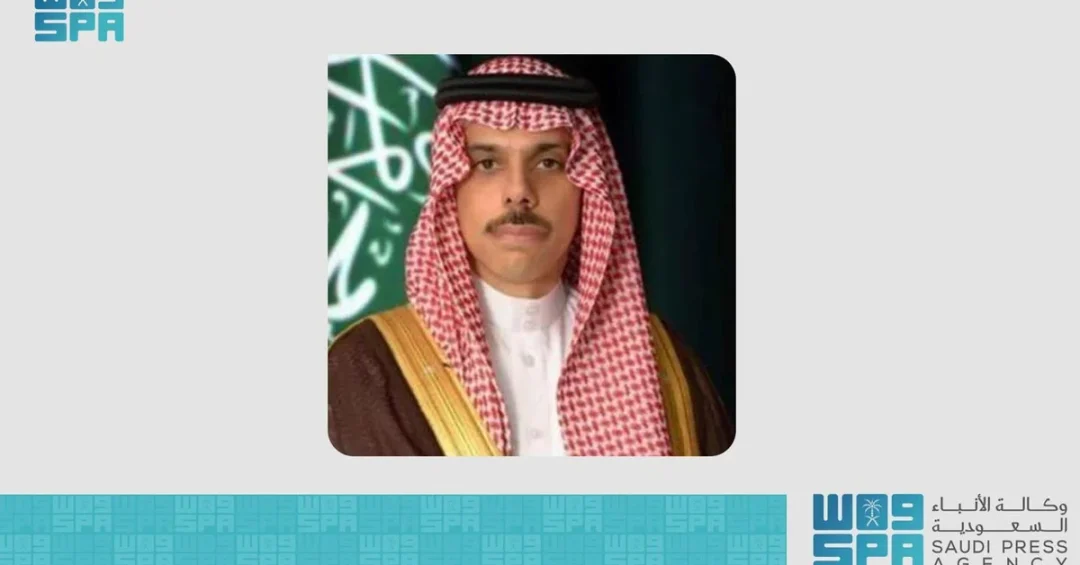
Minister of Foreign Affairs Prince Faisal bin Farhan bin Abdullah arrived in Amman, Jordan, on September 18, 2024, to participate in the meeting of the Ministerial Committee assigned by the Joint Arab-Islamic Extraordinary Summit on developments in the Gaza Strip. The meeting in Amman aims to coordinate joint Arab and Islamic efforts during the high-level week of the 79th session of the United Nations General Assembly, scheduled to be held in New York this month. The committee will discuss efforts to stop Israeli aggression on the Gaza Strip, end the humanitarian catastrophe, and ensure the delivery of humanitarian aid to the strip, as reported by the Saudi Press Agency (SPA).
Context and Background
The Joint Arab-Islamic Extraordinary Summit, held in Riyadh in November 2023, established a ministerial committee tasked with international outreach to address the crisis in Gaza. The committee comprises foreign ministers from Saudi Arabia, Jordan, Egypt, Qatar, Turkey, Indonesia, Nigeria, and other nations, along with representatives from the Organization of Islamic Cooperation (OIC) and the Arab League. This diplomatic initiative reflects the Kingdom’s ongoing commitment to fostering regional stability and advocating for humanitarian causes.
Key Details
During the Amman meeting, the committee will coordinate strategies to amplify Arab and Islamic voices at the United Nations General Assembly. Key topics include securing a ceasefire, facilitating humanitarian corridors, and mobilizing international support for reconstruction efforts in Gaza. Prince Faisal bin Farhan emphasized the importance of unified action, stating that the committee seeks to translate the outcomes of the Joint Arab-Islamic Extraordinary Summit into tangible results on the ground.
The meeting precedes the high-level week of the 79th UN General Assembly, where world leaders will convene to discuss pressing global issues. The committee’s efforts align with Saudi Arabia’s broader diplomatic approach, which prioritizes dialogue, conflict resolution, and humanitarian assistance. By coordinating with Arab and Islamic partners, the Kingdom aims to present a united front that underscores the urgency of addressing the humanitarian crisis in Gaza.
Implications and Impact
The outcomes of the Amman meeting could significantly influence international discourse on the Gaza conflict. A unified Arab-Islamic position may pressure the international community to take more decisive action, including increased humanitarian aid and renewed peace negotiations. Moreover, the committee’s engagement at the UN General Assembly highlights the role of multilateralism in resolving regional conflicts. Saudi Arabia’s leadership in this initiative reinforces its status as a key mediator and advocate for peace in the Middle East.
Vision 2030 Alignment
This diplomatic effort is consistent with Saudi Arabia’s Vision 2030, which seeks to enhance the Kingdom’s global influence and promote sustainable development. By actively participating in multilateral forums and humanitarian initiatives, Saudi Arabia demonstrates its commitment to international cooperation and the well-being of oppressed communities. The Kingdom’s role in the Joint Arab-Islamic Ministerial Committee exemplifies its dedication to peace, security, and prosperity, both regionally and globally.
20 Questions
Q1. What is the purpose of the Ministerial Committee meeting in Amman?
A1. The meeting aims to coordinate joint Arab and Islamic efforts on developments in Gaza, focusing on stopping Israeli aggression, ending the humanitarian catastrophe, and ensuring aid delivery, ahead of the UN General Assembly high-level week.
Q2. Who represents Saudi Arabia at the meeting?
A2. Minister of Foreign Affairs Prince Faisal bin Farhan bin Abdullah represents Saudi Arabia at the meeting in Amman, Jordan, as part of the Kingdom’s active diplomacy.
Q3. When and where was the Joint Arab-Islamic Extraordinary Summit held?
A3. The Joint Arab-Islamic Extraordinary Summit was held in Riyadh in November 2023, bringing together leaders from Arab and Islamic nations to address the Gaza crisis.
Q4. What are the key topics discussed at the Amman meeting?
A4. Key topics include efforts to stop Israeli aggression on Gaza, end the humanitarian catastrophe, ensure delivery of humanitarian aid, and coordinate strategies for the upcoming UN General Assembly.
Q5. Why is the meeting timed before the UN General Assembly?
A5. The meeting is timed to coordinate joint Arab and Islamic efforts during the high-level week of the 79th UN General Assembly, ensuring a unified voice on Gaza.
Q6. Which countries are part of the Ministerial Committee?
A6. The committee includes foreign ministers from Saudi Arabia, Jordan, Egypt, Qatar, Turkey, Indonesia, Nigeria, and other nations, along with representatives from the OIC and Arab League.
Q7. How does this meeting align with Saudi Arabia’s foreign policy?
A7. It aligns with Saudi Arabia’s foreign policy of promoting peace, stability, and humanitarian aid, and reflects the Kingdom’s leadership in regional diplomacy.
Q8. What is the expected outcome of the Amman meeting?
A8. The meeting is expected to produce a coordinated strategy for the UN General Assembly, including advocacy for a ceasefire and increased humanitarian aid to Gaza.
Q9. How does Saudi Arabia contribute to humanitarian efforts in Gaza?
A9. Saudi Arabia has provided significant humanitarian aid to Gaza, including medical supplies, food, and funding, and advocates for unimpeded aid delivery through international channels.
Q10. What is the role of the Organization of Islamic Cooperation in this committee?
A10. The OIC represents Islamic nations and supports the committee’s efforts to address the Gaza crisis, providing a platform for collective Islamic diplomatic action.
Q11. How does the committee plan to engage with the UN?
A11. The committee will hold meetings and bilateral discussions with UN officials and world leaders during the General Assembly to advocate for its positions on Gaza.
Q12. What is Saudi Arabia’s stance on the Gaza conflict?
A12. Saudi Arabia calls for an immediate ceasefire, protection of civilians, and a just resolution to the Palestinian issue based on international legitimacy.
Q13. How does this meeting impact regional stability?
A13. By fostering a unified Arab-Islamic position, the meeting contributes to regional stability and underscores the importance of multilateral diplomacy in resolving conflicts.
Q14. What are the next steps after the Amman meeting?
A14. The committee will present its coordinated positions at the UN General Assembly and continue diplomatic efforts to achieve a ceasefire and humanitarian access.
Q15. How does Saudi Arabia balance its diplomatic relations in this context?
A15. Saudi Arabia maintains open channels with all parties, advocating for peace and humanitarian principles while upholding its regional and international responsibilities.
Q16. What is the significance of Jordan hosting the meeting?
A16. Jordan’s hosting highlights its role as a key mediator and its shared concern for stability and humanitarian conditions in Gaza.
Q17. How can the international community support the committee’s goals?
A17. The international community can support by pressuring for a ceasefire, providing humanitarian aid, and backing diplomatic efforts for a two-state solution.
Q18. What humanitarian challenges does Gaza currently face?
A18. Gaza faces severe shortages of food, water, medicine, and fuel, along with destruction of infrastructure and displacement of civilians, requiring urgent international response.
Q19. How does this initiative reflect Vision 2030?
A19. It reflects Vision 2030’s goal of enhancing Saudi Arabia’s global role, promoting peace, and contributing to sustainable development and humanitarian relief.
Q20. What message does Saudi Arabia convey through this participation?
A20. Saudi Arabia conveys a message of solidarity with the Palestinian people, commitment to peace, and determination to lead regional efforts for a just resolution.
Reader Feedback
We value your thoughts. Please share your feedback on this article.
Your feedback helps us improve our coverage.