


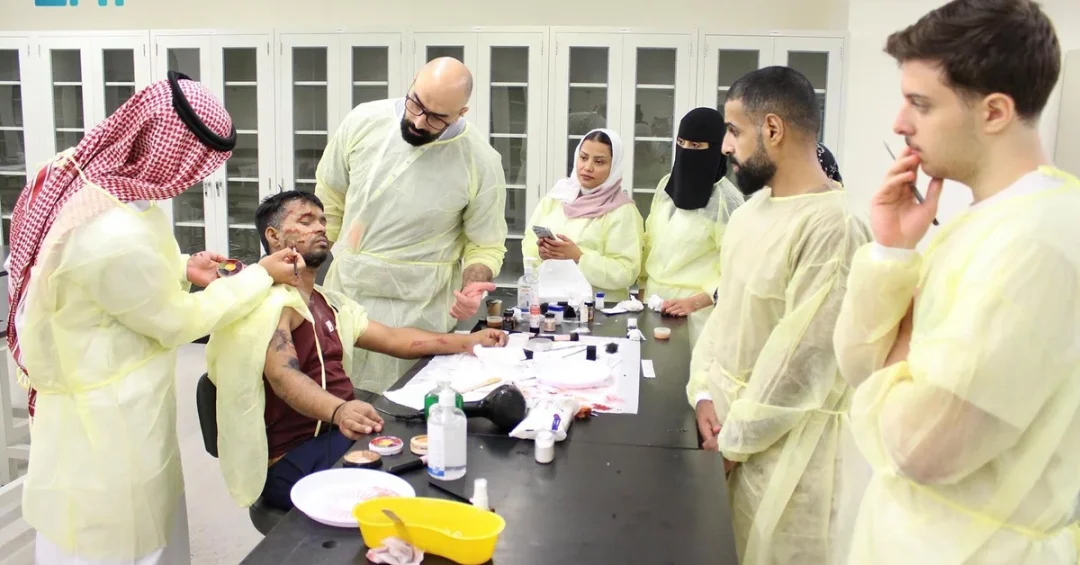
Healthcare providers in Riyadh have praised the advanced technologies and training methods showcased during Clinical Simulation Week, organized by the Riyadh Clinical Simulation Center (RCSC) at King Saud bin Abdulaziz University for Health Sciences (KSAU-HS). The second day of the event, held in the Saudi capital, saw remarkable participation from medical professionals who expressed gratitude for the modern tools designed to enhance clinical skills, improve the quality of care, and ensure patient safety.
Context and Background
Clinical simulation has emerged as a cornerstone of modern medical education, allowing healthcare practitioners to practice and perfect complex procedures in a risk-free environment. The RCSC, a leading institution in the Kingdom and the region, provides advanced practical training using state-of-the-art medical simulation tools to enrich medical education and develop national competencies. The event aligns with Saudi Arabia’s broader efforts to elevate healthcare standards under Vision 2030, which emphasizes improving the efficiency and quality of health services.
Key Details
The second day featured interactive workshops on the latest clinical simulation experiences, helping healthcare providers hone their practical skills and manage complex health scenarios. A specialized workshop on the art of moulage—the technique of simulating medical conditions and practices for training purposes—drew particular interest. Moulage enables students and practitioners to practice first aid, deliver efficient care, and reduce risks when dealing with emergency health cases. An exhibition also showcased cutting-edge technologies and innovations in clinical simulation, developed in cooperation with national and international simulation centers.
Attendees expressed appreciation for the support provided by the wise leadership to the health sector, stressing that such events contribute to achieving Vision 2030’s goal of improving healthcare service efficiency. The RCSC continues to play a pivotal role in advancing medical training and fostering national talent in this vital field.
Implications and Impact
The success of Clinical Simulation Week underscores Saudi Arabia’s commitment to adopting global best practices in healthcare education. By investing in simulation technology, the Kingdom is not only enhancing patient safety but also positioning itself as a regional leader in medical innovation. This initiative is expected to have a lasting impact on the quality of care delivered across Saudi hospitals and clinics, as well-trained professionals are better equipped to handle emergencies and complex procedures.
Vision 2030 Alignment
This event directly supports Vision 2030‘s Health Sector Transformation Program, which aims to improve healthcare outcomes, enhance preventive care, and ensure financial sustainability. Through advanced simulation training, Saudi Arabia is building a resilient healthcare workforce capable of meeting future challenges and contributing to the Kingdom’s long-term prosperity. The RCSC’s efforts exemplify the nation’s dedication to innovation and excellence in healthcare, reinforcing its global standing in medical education and patient care.
20 Questions
Q1. What is Clinical Simulation Week?
A1. Clinical Simulation Week is an event organized by the Riyadh Clinical Simulation Center at King Saud bin Abdulaziz University for Health Sciences, featuring workshops and exhibitions on advanced clinical simulation technologies to enhance healthcare training and patient safety.
Q2. Where was the event held?
A2. The event was held in Riyadh, Saudi Arabia, at King Saud bin Abdulaziz University for Health Sciences, organized by the Riyadh Clinical Simulation Center.
Q3. Who participated in the event?
A3. Healthcare providers, medical students, and practitioners from across Saudi Arabia participated, expressing gratitude for the modern technologies and training methods showcased during the event.
Q4. What is the Riyadh Clinical Simulation Center?
A4. The Riyadh Clinical Simulation Center is a prominent institution in Saudi Arabia and the region, providing advanced practical training using the latest medical simulation tools to enrich medical education and develop national competencies.
Q5. What technologies were displayed at the event?
A5. The event displayed the latest technologies and innovations in clinical simulation, developed in cooperation with national and international simulation centers, aimed at raising the quality of healthcare in the Kingdom.
Q6. What is moulage in medical training?
A6. Moulage is the art of simulating medical practices and diseases for training purposes, enabling students and practitioners to practice first aid, provide efficient care, and reduce risks in emergency health cases.
Q7. How does Clinical Simulation Week benefit healthcare providers?
A7. It helps healthcare providers hone their practical skills, deal with complex health scenarios, and improve patient safety through interactive workshops and exposure to cutting-edge simulation technologies.
Q8. What did attendees say about the event?
A8. Attendees expressed appreciation for the support provided by the wise leadership to the health sector, stressing that such events help achieve Saudi Vision 2030’s goal of improving healthcare service efficiency.
Q9. How does this event support Vision 2030?
A9. The event supports Vision 2030 by enhancing the efficiency of healthcare services, improving patient safety, and developing national competencies in medical simulation, aligning with the Health Sector Transformation Program.
Q10. What is the significance of the exhibition?
A10. The exhibition showcased the latest technologies and innovations in clinical simulation, demonstrating the Kingdom’s commitment to adopting global best practices and advancing healthcare education.
Q11. Who organized Clinical Simulation Week?
A11. The event was organized by the Riyadh Clinical Simulation Center at King Saud bin Abdulaziz University for Health Sciences.
Q12. What is the role of simulation in medical education?
A12. Simulation allows healthcare practitioners to practice and perfect complex procedures in a risk-free environment, enhancing their skills and preparedness for real-life medical scenarios.
Q13. How does moulage reduce risk in emergency cases?
A13. Moulage enables practitioners to simulate emergency health cases realistically, allowing them to practice first aid and efficient care, thereby reducing risks when dealing with actual emergencies.
Q14. What national and international cooperation was mentioned?
A14. The event featured innovations developed in cooperation with national and international simulation centers, aimed at raising the quality of healthcare in the Kingdom.
Q15. How does the event contribute to patient safety?
A15. By providing advanced training that improves clinical skills and decision-making, the event helps healthcare providers deliver safer and higher-quality care to patients.
Q16. What did attendees emphasize about leadership support?
A16. Attendees emphasized that the support from the wise leadership to the health sector is crucial and that events like this help achieve Vision 2030’s healthcare goals.
Q17. What is the goal of the RCSC?
A17. The RCSC aims to provide advanced practical training using the latest medical simulation tools to enrich medical education and develop national competencies in the healthcare field.
Q18. How does the event reflect Saudi Arabia’s healthcare advancements?
A18. The event reflects Saudi Arabia’s commitment to adopting innovative technologies and training methods, positioning the Kingdom as a leader in healthcare education and patient safety.
Q19. What future impact is expected from such events?
A19. Such events are expected to improve the quality of care across Saudi hospitals by producing better-trained professionals capable of handling complex medical situations effectively.
Q20. How can healthcare providers benefit from the RCSC’s training?
A20. Healthcare providers can benefit from the RCSC’s training by gaining hands-on experience with advanced simulation tools, enhancing their clinical skills, and improving their ability to manage complex health scenarios.
Reader Feedback
We value your thoughts. Please share your feedback on this article.
Your feedback helps us improve our coverage.