


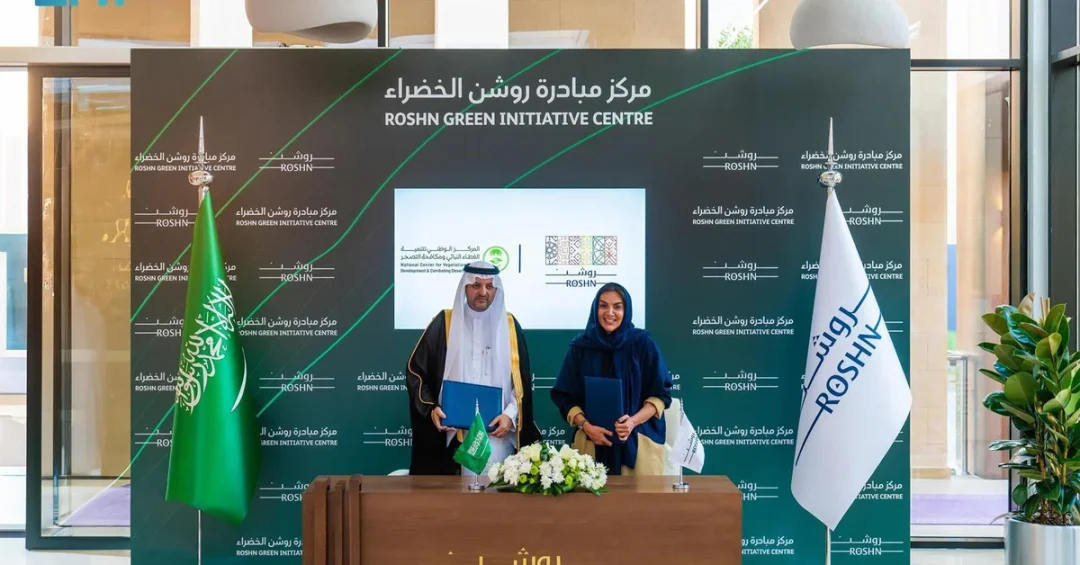
The National Center for Vegetation Cover Development and Combating Desertification (NCVC) announced today, September 18, 2024, the signing of a memorandum of understanding (MoU) with ROSHN Group, a leading national real estate developer, to drive sustainable environmental development and expand green spaces across the Kingdom of Saudi Arabia. The partnership, formalized in Riyadh, underscores a shared commitment to increasing vegetation cover, combating desertification, and improving quality of life in line with the Kingdom’s Vision 2030.
Context and Background
Saudi Arabia has long faced environmental challenges, including desertification, sand encroachment, and loss of vegetation cover. To address these, the Kingdom launched the Saudi Green Initiative in 2021, aiming to plant 10 billion trees and rehabilitate 40 million hectares of degraded land. The NCVC, established in 2019, is at the forefront of these efforts, tasked with protecting and rehabilitating vegetation, monitoring threats, and promoting sustainable land management. This MoU with ROSHN Group, a Public Investment Fund (PIF) company, represents a strategic collaboration between a government entity and a major private sector player to accelerate environmental goals.
Key Details of the Agreement
The memorandum outlines a comprehensive framework for collaboration. Key areas include preserving ecosystems, protecting vegetation, broadening afforestation, and expanding green areas. The parties will also focus on exchanging information, data, and expertise to enhance vegetation cover and foster community engagement. Additionally, they will participate in local and international conferences to showcase joint achievements and conduct awareness campaigns and interactive exhibitions to educate the public on environmental sustainability. This partnership aligns with NCVC’s broader mission of engaging government entities, private sector organizations, and non-profit institutions to promote sustainable vegetation expansion.
Implications and Impact
The MoU is expected to have significant environmental and social impacts. By combining NCVC’s regulatory and technical expertise with ROSHN’s resources and reach, the partnership aims to accelerate afforestation and combat desertification more effectively. It also promotes community involvement, which is crucial for long-term sustainability. On a broader scale, this collaboration supports Saudi Arabia’s climate goals, including reducing carbon emissions and enhancing quality of life. It also exemplifies how public-private partnerships can drive environmental progress, setting a precedent for future initiatives in the Kingdom and beyond.
Vision 2030 Alignment
This partnership directly supports Saudi Vision 2030, which seeks to diversify the economy, improve living standards, and ensure environmental sustainability. By increasing vegetation cover and combating desertification, the MoU contributes to the Saudi Green Initiative and the Kingdom’s broader environmental objectives. It also reflects Vision 2030’s emphasis on collaboration between government and private sectors to achieve national goals. As Saudi Arabia continues its journey toward a greener future, such strategic alliances will be instrumental in realizing the ambitious targets of Vision 2030 and solidifying the Kingdom’s role as a global leader in sustainable development.
20 Questions
Q1. What is the NCVC and what is its primary mandate?
A1. The National Center for Vegetation Cover Development and Combating Desertification (NCVC) is a Saudi government entity established in 2019 to protect and rehabilitate vegetation cover, combat desertification, and promote sustainable land management across the Kingdom.
Q2. What is ROSHN Group and what is its role in Saudi Arabia?
A2. ROSHN Group is a leading national real estate developer owned by the Public Investment Fund (PIF). It is responsible for developing large-scale residential communities and supporting Saudi Arabia’s urban development goals in line with Vision 2030.
Q3. What are the main objectives of the MoU signed between NCVC and ROSHN?
A3. The MoU aims to drive sustainable environmental development, increase vegetation cover, combat desertification, expand green spaces, preserve ecosystems, and promote community engagement in environmental initiatives.
Q4. When and where was the MoU signed?
A4. The MoU was signed in Riyadh on September 18, 2024, as announced by the NCVC in a press release.
Q5. How does this partnership align with the Saudi Green Initiative?
A5. The partnership supports the Saudi Green Initiative’s goals of planting 10 billion trees and rehabilitating 40 million hectares of land by increasing vegetation cover and combating desertification.
Q6. What specific activities will NCVC and ROSHN undertake together?
A6. They will collaborate on afforestation, ecosystem preservation, information exchange, community engagement programs, and participate in conferences and awareness campaigns to promote environmental sustainability.
Q7. How will the partnership promote community engagement?
A7. The MoU includes programs to involve local communities in environmental initiatives, such as tree planting and awareness campaigns, to foster a sense of ownership and sustainability.
Q8. What role does data and expertise exchange play in this agreement?
A8. Exchanging data and expertise allows both parties to make informed decisions, share best practices, and effectively monitor progress toward increasing vegetation cover and combating desertification.
Q9. How does this MoU contribute to combating climate change?
A9. By increasing vegetation cover, the partnership helps absorb carbon dioxide, reduce carbon emissions, and mitigate the effects of climate change, aligning with Saudi Arabia’s environmental goals.
Q10. What are the expected outcomes of this partnership?
A10. Expected outcomes include expanded green spaces, reduced desertification, enhanced biodiversity, increased community involvement, and progress toward the Kingdom’s environmental targets under Vision 2030.
Q11. How will ROSHN’s expertise in real estate development contribute to the partnership?
A11. ROSHN’s expertise in large-scale development will help integrate green spaces into urban projects, ensuring sustainable design and alignment with environmental standards in new communities.
Q12. What are the implications for Saudi Arabia’s quality of life goals?
A12. The partnership aims to improve quality of life by creating greener, healthier environments, which contribute to physical and mental well-being and support the Vision 2030 goal of enhanced living standards.
Q13. Will this partnership involve international cooperation?
A13. The MoU includes participation in local and international conferences to share achievements and learn from global best practices, potentially fostering international cooperation in environmental sustainability.
Q14. How does NCVC monitor and prevent illegal activities like tree cutting?
A14. NCVC monitors threats, prevents illegal activities such as tree cutting, oversees rangeland management, conserves forests, and ensures sustainable use of national parks through regulatory and enforcement measures.
Q15. What is the significance of this MoU for Saudi Arabia’s environmental leadership?
A15. It demonstrates Saudi Arabia’s commitment to environmental sustainability and positions the Kingdom as a regional and global leader in combating desertification and promoting green initiatives.
Q16. How will the success of this partnership be measured?
A16. Success will be measured through increased vegetation cover, expanded green areas, community participation rates, and progress toward national environmental targets, as outlined in the Saudi Green Initiative.
Q17. What other entities does NCVC collaborate with?
A17. NCVC collaborates with government entities, private sector organizations, and non-profit institutions to promote sustainable vegetation expansion and combat desertification.
Q18. How does this MoU support economic growth?
A18. By promoting sustainable environmental development, the partnership can stimulate green jobs, attract investment in eco-friendly projects, and support economic diversification under Vision 2030.
Q19. What awareness campaigns will be conducted?
A19. The parties will conduct awareness campaigns and interactive exhibitions at their sites to educate the public on the importance of environmental sustainability and community involvement.
Q20. What is the long-term vision for this partnership?
A20. The long-term vision is to create a sustainable, greener Saudi Arabia that aligns with Vision 2030, enhances quality of life, and contributes to global environmental efforts.
Reader Feedback
We value your thoughts. Please share your feedback on this article.
Your feedback helps us improve our coverage.