


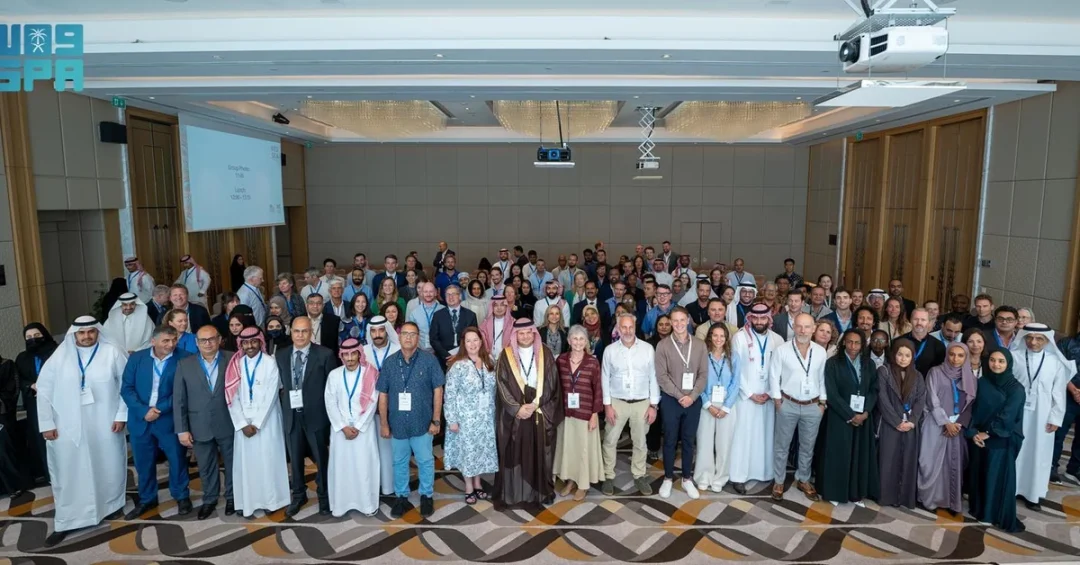
Saudi Arabia has been elected to chair the International Coral Reef Initiative (ICRI) for its 14th term, beginning in 2025. The election took place during ICRI’s 38th general meeting, held from September 9 to 12, 2024, in Jeddah, marking a significant milestone in the Kingdom’s growing leadership in marine environmental protection and global conservation efforts.
Context and Background
The International Coral Reef Initiative (ICRI) is a global partnership of 45 member countries dedicated to preserving coral reefs, which are vital to marine biodiversity and the livelihoods of millions worldwide. ICRI covers approximately 75% of the world’s coral reefs, making it a crucial platform for international cooperation on reef conservation. Saudi Arabia joined ICRI in 2022, demonstrating its commitment to environmental stewardship and aligning with the goals of Vision 2030 to promote sustainability and protect natural resources.
Key Details
Khalid Asfahani, Chief Executive Officer of the General Organization for Conservation of Coral Reefs & Turtles in the Red Sea (SHAMS), stated, “Saudi Arabia’s selection for the presidency underscores the member countries’ recognition of its high technical capabilities and efforts in coral reef conservation. This appointment reflects the global confidence in Saudi Arabia’s ability to host significant international events.” He emphasized that leading ICRI enhances Saudi Arabia’s commitment to marine environmental protection, biodiversity, and ecosystem preservation. Asfahani also noted that Saudi Arabia will collaborate with all stakeholders to deliver an exceptional term, advancing coral reef conservation both locally and globally. The Kingdom has presented a three-year roadmap for the initiative, aiming to strengthen international cooperation and accelerate efforts to preserve these vital ecosystems. Saudi Arabia also acknowledged the contributions of the United States government, which chaired the 13th term of the initiative.
Implications and Impact
Saudi Arabia’s presidency of ICRI will bolster its status as a leading global destination in coral reef and associated ecosystem conservation. This role is expected to enhance international cooperation, foster research and innovation in marine conservation, and promote sustainable practices that benefit both the environment and the economy. The Kingdom’s leadership in this arena will also contribute to global efforts to combat climate change and protect marine biodiversity, positioning Saudi Arabia as a responsible global stakeholder.
Vision 2030 Alignment
This presidency aligns with Saudi Arabia’s Vision 2030, which emphasizes environmental sustainability, economic diversification, and global engagement. By leading ICRI, the Kingdom reinforces its commitment to preserving natural resources for future generations, enhancing its international standing, and contributing to the achievement of the United Nations Sustainable Development Goals, particularly those related to life below water. Through this role, Saudi Arabia continues to demonstrate its dedication to a sustainable and prosperous future.
20 Questions
Q1. What is the International Coral Reef Initiative (ICRI)?
A1. The International Coral Reef Initiative (ICRI) is a global partnership of 45 member countries dedicated to preserving coral reefs. It covers approximately 75% of the world’s coral reefs and serves as a platform for international cooperation on reef conservation and sustainable management.
Q2. When did Saudi Arabia join ICRI?
A2. Saudi Arabia joined the International Coral Reef Initiative in 2022, demonstrating its commitment to marine environmental protection and aligning with the sustainability goals of Vision 2030.
Q3. When was Saudi Arabia elected to chair ICRI?
A3. Saudi Arabia was elected to chair ICRI during the 38th general meeting held from September 9 to 12, 2024, in Jeddah. The presidency will begin in 2025 for a three-year term.
Q4. What is the duration of Saudi Arabia’s presidency?
A4. Saudi Arabia will chair ICRI for a three-year term, starting in 2025. This period will allow the Kingdom to implement its roadmap for advancing coral reef conservation globally.
Q5. Who is Khalid Asfahani?
A5. Khalid Asfahani is the Chief Executive Officer of the General Organization for Conservation of Coral Reefs & Turtles in the Red Sea (SHAMS). He played a key role in highlighting Saudi Arabia’s election to chair ICRI.
Q6. What did Khalid Asfahani say about Saudi Arabia’s election?
A6. Khalid Asfahani stated that Saudi Arabia’s selection underscores the recognition of its high technical capabilities and efforts in coral reef conservation. He also noted that it reflects global confidence in Saudi Arabia’s ability to host significant international events.
Q7. How does chairing ICRI benefit Saudi Arabia?
A7. Chairing ICRI enhances Saudi Arabia’s commitment to marine environmental protection, biodiversity, and ecosystem preservation. It also showcases the Kingdom’s pioneering efforts in coral reef conservation and strengthens its status as a leading global destination for conservation.
Q8. What are Saudi Arabia’s plans during its presidency?
A8. Saudi Arabia plans to strengthen and activate international cooperation and accelerate efforts to preserve vital marine ecosystems. The Kingdom has presented a three-year roadmap to guide its presidency and achieve tangible outcomes.
Q9. Which country previously chaired ICRI?
A9. The United States government chaired the 13th term of ICRI. Saudi Arabia acknowledged and appreciated the contributions made by the United States during its tenure.
Q10. How many member countries are part of ICRI?
A10. ICRI comprises 45 member countries, all dedicated to the conservation and sustainable management of coral reefs. Together, they cover approximately 75% of the world’s coral reefs.
Q11. What percentage of the world’s coral reefs does ICRI cover?
A11. ICRI member countries cover approximately 75% of the world’s coral reefs, making it a vital platform for global reef conservation efforts and international collaboration.
Q12. What is SHAMS?
A12. SHAMS is the General Organization for Conservation of Coral Reefs & Turtles in the Red Sea. It is a Saudi organization dedicated to the protection and conservation of coral reefs and turtles in the Red Sea region.
Q13. Why is coral reef conservation important?
A13. Coral reefs are vital to marine biodiversity, providing habitats for numerous species and supporting the livelihoods of millions of people. Their conservation is essential for maintaining healthy oceans and combating climate change.
Q14. How does Saudi Arabia’s presidency align with Vision 2030?
A14. Saudi Arabia’s presidency of ICRI aligns with Vision 2030 by promoting environmental sustainability, economic diversification, and global engagement. It reinforces the Kingdom’s commitment to preserving natural resources for future generations.
Q15. What role did Saudi Arabia play in ICRI before the presidency?
A15. Before the presidency, Saudi Arabia was an active member of ICRI since 2022, contributing to coral reef conservation efforts and demonstrating its commitment to marine environmental protection on local, regional, and international levels.
Q16. How will Saudi Arabia collaborate with other stakeholders?
A16. Saudi Arabia will collaborate with all stakeholders to deliver an exceptional term, advancing coral reef conservation both locally and globally. This includes sharing expertise, resources, and best practices.
Q17. What are the expected outcomes of Saudi Arabia’s presidency?
A17. Expected outcomes include strengthened international cooperation, accelerated conservation efforts, and enhanced protection of coral reef ecosystems. Saudi Arabia aims to deliver tangible results that benefit global marine environments.
Q18. How does this presidency affect Saudi Arabia’s global standing?
A18. The presidency bolsters Saudi Arabia’s status as a leading global destination in coral reef conservation. It reflects international confidence in the Kingdom’s capabilities and enhances its role in global environmental governance.
Q19. What is the significance of the 38th ICRI general meeting?
A19. The 38th ICRI general meeting, held in Jeddah, was significant as it marked the election of Saudi Arabia to chair the initiative for the 14th term, highlighting the Kingdom’s growing leadership in marine conservation.
Q20. How does Saudi Arabia’s presidency support global environmental goals?
A20. Saudi Arabia’s presidency supports global environmental goals by promoting international cooperation, advancing coral reef conservation, and contributing to the United Nations Sustainable Development Goals, particularly those related to life below water.
Reader Feedback
We value your thoughts. Please share your feedback on this article.
Your feedback helps us improve our coverage.