


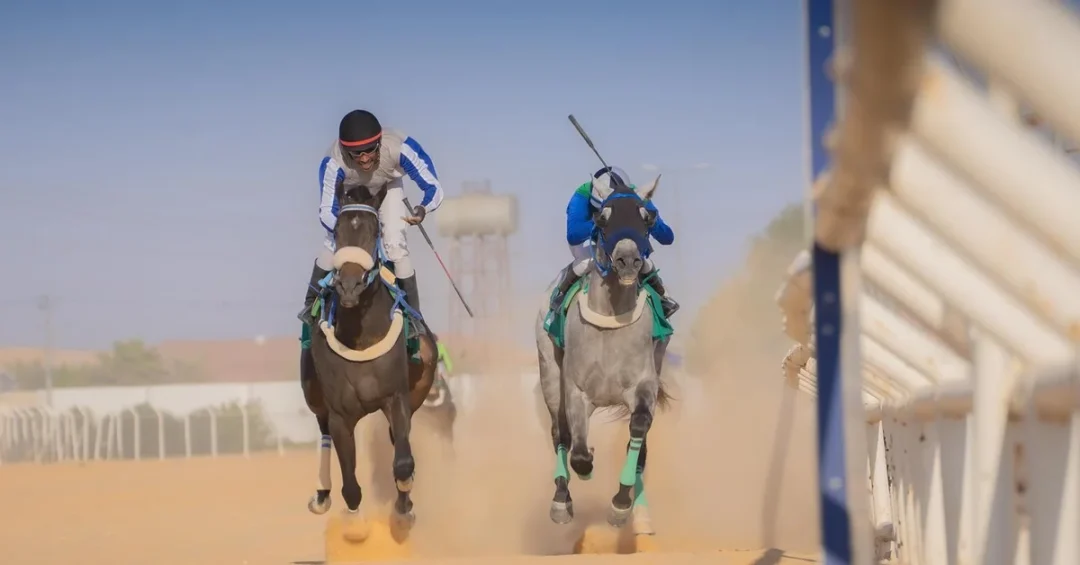
Since its establishment in 1409 AH (1989), Al-Jouf Equestrian Square has been a cornerstone of equestrian sports in Saudi Arabia’s northern region, fostering talent and preserving the heritage of purebred Arabian horses. Located on Prince Abdulelah bin Abdulaziz Road in Skaka, the square spans over two million square meters and features 164 operational stables, a main track, a viewing platform, and dedicated facilities. This year, the square celebrates 37 years of equestrian excellence, marking a significant milestone in its journey of nurturing riders and promoting the sport.
Context and Background
Al-Jouf Equestrian Square was founded in 1409 AH with the vision of developing equestrian sports in the region. Over the decades, it has evolved into a premier destination for horse owners, riders, and enthusiasts. The square’s establishment coincided with a broader national push to preserve Saudi Arabia’s equestrian heritage, which is deeply rooted in Arabian culture. The Arabian horse, renowned for its beauty and endurance, has been a symbol of pride for Saudis for centuries. The square’s commitment to breeding purebred Arabian horses aligns with this cultural legacy, ensuring that future generations continue to appreciate and engage with this noble tradition.
Key Details
The square’s extensive facilities include a main track that hosts regular competitions, a viewing platform for spectators, and a building that serves as the administrative hub. With 164 stables, it accommodates a large number of horses and provides a nurturing environment for their development. The square has a proven track record of producing successful riders and trainers who have excelled in local and national competitions. Under the generous patronage of Prince Faisal bin Nawwaf bin Abdulaziz, Governor of Al-Jouf Region and Chairman of the Board of Directors of the Equestrian Square, the facility has received significant funding to support its activities. The upcoming season is expected to feature 20 celebrations with the participation of over 150 owners and 300 horses, underscoring its active role in the equestrian community.
Training and Community Engagement
To further enhance the equestrian experience, Al-Jouf Equestrian Square offers training academies for both men and women. These academies, led by experienced Saudi trainers, provide opportunities for individuals of all ages to learn horse riding, develop their skills, and contribute to the growth of the equestrian community. The inclusion of women’s academies reflects the broader societal changes in Saudi Arabia, where women are increasingly participating in sports and other fields, in line with Vision 2030’s goals of empowerment and inclusivity. The square also hosts events that bring together the local community, fostering a sense of unity and shared passion for equestrian sports.
Implications and Impact
Al-Jouf Equestrian Square’s contributions extend beyond the local level. By producing skilled riders and trainers, it has elevated the standard of equestrian sports in Saudi Arabia, contributing to the Kingdom’s growing presence in international competitions. The square’s focus on breeding purebred Arabian horses enhances Saudi Arabia’s reputation as a custodian of this esteemed breed. Moreover, the square serves as a tourist attraction, drawing visitors interested in equestrian culture and heritage. Its activities support the local economy by creating jobs and attracting investments in related sectors such as hospitality and tourism. The upcoming season’s 20 celebrations are expected to draw significant attention, further boosting the region’s profile.
Vision 2030 Alignment
Al-Jouf Equestrian Square’s mission aligns seamlessly with Saudi Vision 2030, which aims to diversify the economy, promote cultural heritage, and enhance quality of life. By investing in equestrian sports, the Kingdom is preserving a vital aspect of its identity while also creating opportunities for recreation, tourism, and economic growth. The square’s training academies contribute to human capital development, empowering youth and women to pursue their passions. As Saudi Arabia continues to host international sporting events and showcase its cultural treasures, facilities like Al-Jouf Equestrian Square will play a pivotal role in demonstrating the Kingdom’s progress and hospitality to the world. The 37-year legacy of the square is a testament to the enduring value of equestrian sports in Saudi society and a foundation for future achievements.
20 Questions
Q1. When was Al-Jouf Equestrian Square established?
A1. Al-Jouf Equestrian Square was established in 1409 AH, which corresponds to 1989 in the Gregorian calendar. This year marks its 37th anniversary of promoting equestrian sports in the region.
Q2. Where is Al-Jouf Equestrian Square located?
A2. The square is situated on Prince Abdulelah bin Abdulaziz Road in Skaka, the capital city of Al-Jouf Province in northern Saudi Arabia. Its central location makes it accessible to equestrian enthusiasts from across the region.
Q3. How large is Al-Jouf Equestrian Square?
A3. The square spans over two million square meters, providing ample space for stables, training tracks, and spectator areas. This vast area allows for hosting large-scale competitions and events.
Q4. How many stables are currently operating at the square?
A4. There are 164 stables currently operating within the square’s premises, housing horses owned by various individuals and entities. These stables are essential for the care and training of the horses.
Q5. What facilities does Al-Jouf Equestrian Square offer?
A5. The square features horse stables, a main track for races, a viewing platform for spectators, and an administrative building. These facilities support both competitive events and daily training activities.
Q6. Who is the chairman of the board of directors of the Equestrian Square?
A6. Prince Faisal bin Nawwaf bin Abdulaziz, the Governor of Al-Jouf Region, serves as the Chairman of the Board of Directors. His patronage has been instrumental in the square’s development and success.
Q7. What is the significance of purebred Arabian horses at the square?
A7. The square is renowned for breeding purebred Arabian horses, which are celebrated for their beauty, endurance, and cultural importance. This breeding program helps preserve the heritage of this ancient breed.
Q8. Does the square offer training academies?
A8. Yes, the square offers training academies for both men and women, led by experienced Saudi trainers. These academies provide opportunities for individuals of all ages to learn horse riding and develop their skills.
Q9. How many celebrations are expected in the upcoming season?
A9. The upcoming season is expected to feature 20 celebrations, which will include various equestrian competitions and events. These celebrations are anticipated to attract a large number of participants and spectators.
Q10. How many owners and horses are expected to participate in the upcoming season?
A10. Over 150 owners and 300 horses are expected to participate in the upcoming season’s events. This high level of participation demonstrates the square’s popularity and importance in the equestrian community.
Q11. What role does the square play in the local community?
A11. The square serves as a hub for equestrian activities, bringing together riders, owners, and enthusiasts. It also contributes to the local economy by creating jobs and attracting visitors to the region.
Q12. How has the square contributed to equestrian sports in Saudi Arabia?
A12. The square has produced successful riders and trainers who have excelled in local and national competitions. It has also elevated the standard of equestrian sports and promoted the breeding of purebred Arabian horses.
Q13. What support has the square received from the government?
A13. Under the patronage of Prince Faisal bin Nawwaf bin Abdulaziz, the square has received significant funding to support its competitions and activities. This government support underscores the importance of equestrian sports in Saudi culture.
Q14. Are there opportunities for women in equestrian sports at the square?
A14. Yes, the square offers training academies for women, reflecting the broader empowerment of women in Saudi society. These academies allow women to learn horse riding and participate in equestrian activities.
Q15. What is the significance of the square’s 37-year legacy?
A15. The 37-year legacy highlights the square’s enduring commitment to equestrian sports and its role in preserving Saudi Arabia’s equestrian heritage. It has been a consistent platform for nurturing talent and promoting the sport.
Q16. How does the square align with Saudi Vision 2030?
A16. The square aligns with Vision 2030 by promoting cultural heritage, enhancing quality of life, and creating economic opportunities. It supports the goals of diversifying the economy and empowering youth and women.
Q17. What types of competitions are held at the square?
A17. The square hosts various equestrian competitions, including horse racing and show jumping, as well as other events that showcase the skills of riders and horses. These competitions attract participants from across the Kingdom.
Q18. How does the square attract tourists?
A18. The square attracts tourists interested in equestrian culture and heritage, offering them a chance to witness traditional Arabian horse breeding and exciting competitions. It contributes to the region’s tourism sector.
Q19. What is the economic impact of the square on the Al-Jouf region?
A19. The square boosts the local economy by creating jobs, supporting related businesses such as hospitality and tourism, and attracting investments. It also enhances the region’s profile as a destination for equestrian events.
Q20. What are the future plans for Al-Jouf Equestrian Square?
A20. The square aims to continue expanding its facilities and programs, hosting more competitions, and nurturing new talents. It seeks to further contribute to Saudi Arabia’s equestrian legacy and Vision 2030 objectives.
Reader Feedback
We value your thoughts. Please share your feedback on this article.
Your feedback helps us improve our coverage.
Related articles
 PFL MENA Semi-Finals Ignite Riyadh’s Boulevard City
 Joshua, Dubois Ready for Riyadh Season Card at Wembley
 National Day Cup, King Faisal Cup Highlight Taif Racing Weekend
 Saudi Games 2024 Torch Arrives in Najran
 Saudi Camel Racing Federation Celebrates National Day
 Al-Hyasat vs Reda Set for PFL MENA Featherweight Final in Riyadh