


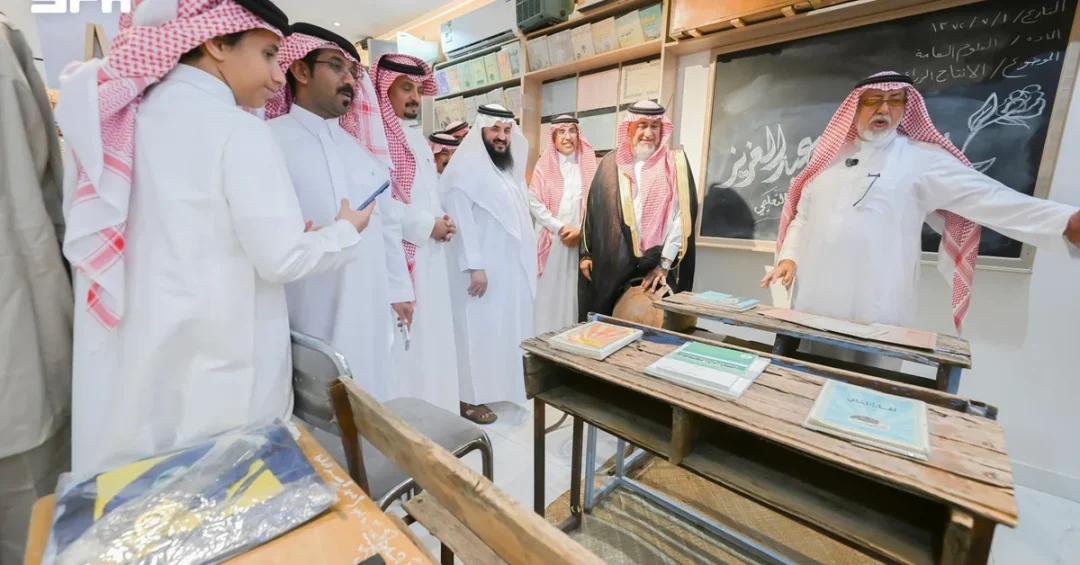
A new educational museum has opened in Al-Aqiq Governorate, Al-Baha Region, showcasing a curated collection of rare artifacts and historic documents that chronicle the development of Saudi Arabia’s education sector over decades. The museum, announced by the Saudi Press Agency, honors pioneering educators and their contributions while exhibiting rare textbooks dating from 1371 AH to 1442 AH (1951 to 2020), alongside archival publications, newspapers, and magazines, including inaugural issues that highlight the early days of print journalism in the Kingdom.
Context and Background
The opening of the educational museum in Al-Aqiq Governorate reflects Saudi Arabia’s broader commitment to preserving its cultural and educational heritage. Al-Baha Region, known for its rich history and scenic landscapes, has become a focal point for cultural tourism and heritage preservation. The museum serves as a testament to the Kingdom’s educational journey, from traditional learning environments to the modern, technologically advanced system that exists today. It also aligns with the national strategy to document and celebrate the milestones of Saudi Arabia’s development.
Key Details
Visitors to the museum can explore dedicated wings that showcase historical academic records, certificates, and instructional tools. A replica classroom model illustrates the transition from traditional learning environments to modern education, providing a tangible experience of how classrooms have evolved. The rare textbooks, spanning nearly seven decades, offer insight into the curriculum and teaching methods used across different eras. Archival publications and inaugural newspaper issues provide a window into the role of media in documenting educational progress. The museum also pays tribute to pioneering educators, recognizing their contributions to shaping the nation’s human capital.
Implications and Impact
The museum is expected to draw interest from researchers, educators, and tourists, both domestically and internationally. It serves as an educational resource that can inspire current and future generations by highlighting the dedication of early educators and the resilience of the Saudi education system. By preserving these artifacts, the museum ensures that the stories of the past remain accessible, fostering a sense of pride and continuity. It also supports the growth of cultural tourism in Al-Baha, contributing to local economic diversification and creating opportunities for community engagement.
Vision 2030 Alignment
This initiative strongly aligns with Saudi Vision 2030, which emphasizes the importance of education, cultural preservation, and the enhancement of quality of life. By documenting the history of education, the museum supports the vision’s goal of building a vibrant society and a diversified economy. It also reflects the Kingdom’s commitment to empowering future generations through knowledge and heritage, ensuring that the lessons of the past inform the innovations of tomorrow. As Saudi Arabia continues to advance its educational sector, museums like this serve as vital bridges between tradition and modernity, embodying the spirit of Vision 2030.
20 Questions
Q1. Where is the new educational museum located?
A1. The museum is located in Al-Aqiq Governorate, within the Al-Baha Region of Saudi Arabia. It was inaugurated to preserve and showcase the history of education in the Kingdom.
Q2. What types of artifacts are exhibited in the museum?
A2. The museum features a curated collection of rare textbooks, historical documents, academic records, certificates, instructional tools, archival publications, newspapers, and magazines, including inaugural issues.
Q3. What is the time span of the rare textbooks on display?
A3. The rare textbooks span from 1371 AH to 1442 AH, which corresponds to 1951 to 2020, covering nearly seven decades of educational development.
Q4. What does the replica classroom model illustrate?
A4. The replica classroom model illustrates the transition from traditional learning environments to modern education, showing how classrooms and teaching methods have evolved over time.
Q5. Who does the museum honor?
A5. The museum honors pioneering educators and their contributions to the development of Saudi Arabia’s education sector, recognizing their role in shaping the nation’s human capital.
Q6. What is the significance of the inaugural newspaper issues?
A6. The inaugural newspaper issues highlight the early days of print journalism in Saudi Arabia, providing insight into how media documented educational and social progress.
Q7. How does the museum contribute to cultural tourism in Al-Baha?
A7. By attracting visitors, researchers, and educators, the museum enhances cultural tourism in Al-Baha, supporting local economic diversification and community engagement.
Q8. What educational records are available for viewing?
A8. The museum displays historical academic records, certificates, and instructional tools that offer a glimpse into the educational practices and achievements of past eras.
Q9. How does the museum align with Saudi Vision 2030?
A9. It aligns with Vision 2030 by preserving cultural heritage, enhancing quality of life, and supporting education and knowledge transfer, which are key pillars of the vision.
Q10. What can researchers gain from visiting the museum?
A10. Researchers can access rare textbooks, archival documents, and publications that provide valuable data on the evolution of education in Saudi Arabia over decades.
Q11. Is the museum open to the public?
A11. Yes, the museum is open to the public, including tourists, educators, and students, offering an educational and cultural experience for all visitors.
Q12. What role does the museum play in preserving Saudi heritage?
A12. The museum preserves Saudi educational heritage by safeguarding artifacts and documents, ensuring that future generations can learn from and appreciate the past.
Q13. How does the museum inspire current and future generations?
A13. By showcasing the dedication of early educators and the progress of education, the museum inspires current and future generations to value learning and contribute to national development.
Q14. What makes Al-Baha Region a suitable location for this museum?
A14. Al-Baha Region is rich in history and culture, making it an ideal location to host a museum that celebrates educational heritage and attracts cultural tourism.
Q15. Are there any interactive elements in the museum?
A15. The replica classroom model serves as an interactive element, allowing visitors to experience and understand the evolution of educational environments firsthand.
Q16. How does the museum support education in Saudi Arabia?
A16. The museum supports education by serving as a resource for learning, research, and inspiration, complementing the Kingdom’s efforts to advance its educational sector.
Q17. What is the significance of the museum for educators?
A17. Educators can draw inspiration from the pioneering work of their predecessors and use the museum’s resources to enrich their teaching and understanding of educational history.
Q18. How does the museum reflect Saudi Arabia’s modernization?
A18. The museum reflects modernization by documenting the transition from traditional to modern education, showcasing the Kingdom’s progress and commitment to development.
Q19. What economic benefits might the museum bring to Al-Baha?
A19. The museum can boost local tourism, create jobs, and stimulate economic activity in Al-Baha, contributing to the region’s diversification and growth.
Q20. What message does the museum convey about Saudi Arabia’s future?
A20. The museum conveys that Saudi Arabia values its educational heritage as a foundation for future innovation and prosperity, in line with Vision 2030’s goals.
Reader Feedback
We value your thoughts. Please share your feedback on this article.
Your feedback helps us improve our coverage.